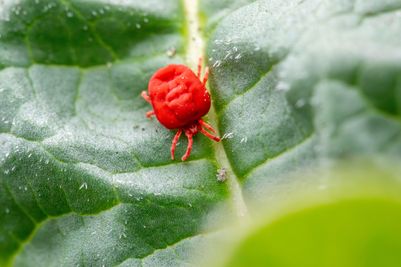
Despite their spider-like appearance, clover mites are actually a type of mite, measuring around 1mm in size. They have a distinctive bright red or reddish-brown colour, an oval-shaped body and very l...
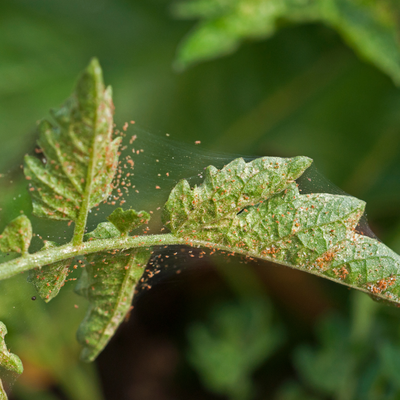
Red spider mites are extremely small, usually less than 1mm in size, and can vary from red and orange to yellow or green depending on the species and life stage.
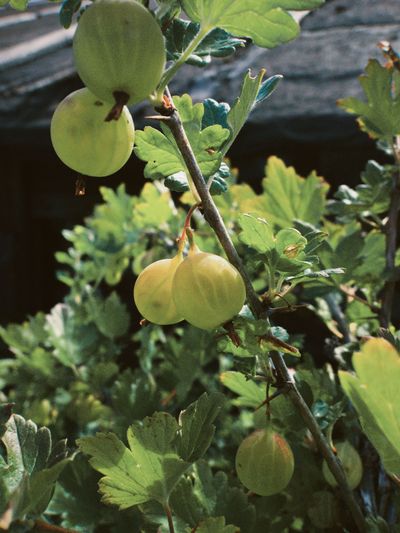
Although often grouped with caterpillar pests, gooseberry sawfly larvae are actually the offspring of a sawfly rather than a moth or butterfly. They are pale green with black spots and can strip goose...
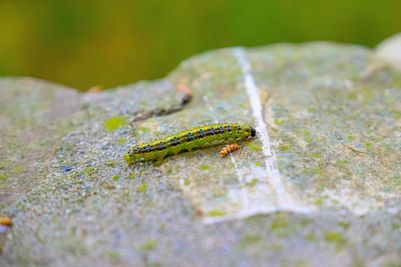
Greenish-yellow with black stripes, they feed voraciously on box plants, causing extensive defoliation and leaving behind characteristic webbing that looks almost spider-webbed. Repeated attacks can w...
These species are major pests of apples, pears and stone fruit. Rather than feeding on leaves, the larvae tunnel into developing fruit, leaving entry holes and causing fruit to become distorted or rot...
photo: pexels-klaas-wauben-1413183222-34515825
For gardeners struggling with persistent slug damage, Tessa recommends applying biological slug nematodes to the soil early in the season, which help...
Photo: pexels-david-roberts-940521-7947334
Tessa recommends treating susceptible pots and containers with beneficial nematodes such as Vine Weevil Control - Nematodes once soil temperatures warm up...
Photo: pexels-ganajp-6637984
For gardeners struggling with persistent slug damage, Tessa recommends applying biological slug nematodes to the soil early in the season, which help reduce slug popula...
Switching to natural pest control isn’t just about avoiding risk - it’s about creating a garden that feels safe, balanced, and enjoyable for everyone who uses it, including your pets.
Switching to natural pest control isn’t just about avoiding risk - it’s about creating a garden that feels safe, balanced, and enjoyable for everyone who uses it, including your pets.
Switching to natural pest control isn’t just about avoiding risk - it’s about creating a garden that feels safe, balanced, and enjoyable for everyone who uses it, including your pets.
Switching to natural pest control isn’t just about avoiding risk - it’s about creating a garden that feels safe, balanced, and enjoyable for everyone who uses it, including your pets.
Aphids tend to gather in groups rather than appearing individually, so you’ll often spot dense clusters packed onto soft, new growth. They can be green, black, brown or even pink depending on the spec...
Aphids tend to gather in groups rather than appearing individually, so you’ll often spot dense clusters packed onto soft, new growth. They can be green, black, brown or even pink depending on the spec...
Fungus gnat infestations are on the rise, and if you’ve ever had one buzzing straight into your face, you’ll know how annoying they can be! Warm central heating, closed windows and the way we care for...
Managing fungus gnats works best when you target both adults and larvae as a two-pronged approach.
1. Monitor and trap adults
Yellow sticky traps at soil level are cheap, simple, and extremely effe...
Managing fungus gnats works best when you target both adults and larvae as a two-pronged approach.
1. Monitor and trap adults
Yellow sticky traps at soil level are cheap, simple, and extremely effe...
Tessa Cobley is a plant pest expert who’s passionate about helping people care for both indoor and outdoor plants using natural and effective solutions. She’s best known as the owner of Ladybird Plant...