Early pest monitoring: the tools every gardener should have ready
Published:
Read Time: 3 mins
Gardeners know how quickly things can change. One moment everything looks lush and thriving; the next, a sticky sheen appears on the leaves and suspicious holes show up in prized plants.
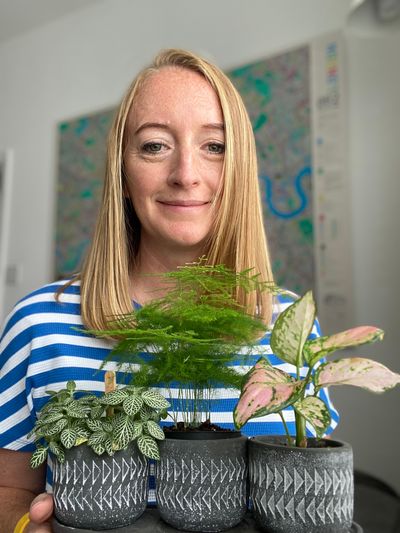
According to plant pest specialist Tessa Cobley of Ladybird Plant Care, the trick is not to wait for the drama to unfold. Early pest monitoring isn’t about being paranoid – it’s about staying one calm step ahead. Catch problems early and the solutions are simpler, more natural and far more effective.
Here, Tessa shares the tools and habits that make all the difference.
Yellow sticky traps: the quiet informants
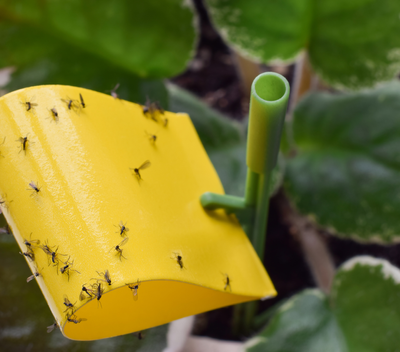
One of the simplest (and most surprisingly satisfying) tools is the trusty yellow sticky trap. Tucked into a greenhouse, conservatory or even a jungle of houseplants, these bright cards quietly keep watch.
If fungus gnats, whiteflies or winged aphids start plotting a takeover, they’ll show up on the trap long before any obvious plant damage appears. Think of them as an early warning system rather than a full-blown solution – a gentle nudge that something is stirring, giving you time to act before populations boom.
A magnifying glass for a little detective work
A small hand lens or magnifying glass is another unsung hero. Many pests, especially in their early life stages, are almost invisible to the naked eye. Spider mites, thrips larvae and the beginnings of an aphid colony can all be spotted with a quick peek under the leaves.
It’s a bit of gentle detective work. A brief inspection while watering can reveal far more than expected – and once you know what’s there, you can respond sensibly rather than reacting weeks later to leaves that already look worse for wear.
Prevention: the tool that costs nothing
The most powerful pest-control tool doesn’t come in a packet. It’s habit.
Regular plant check-ins are the foundation of good pest management. Turn a leaf. Inspect tender new growth. Notice when something looks slightly “off”. Soft, fresh growth is usually first on the menu for pests, so that’s where your attention should naturally fall.
Light levels and general growing conditions deserve attention too. Plants that are struggling - whether from low light, poor airflow or inconsistent care - are far more likely to attract unwanted visitors. As many gardeners know, pests have a knack for homing in on unhappy plants. Making sure plants have the right conditions to grow strong and healthy can go a long way in preventing problems before they start.
Be ready with a biological back-up plan
Monitoring only works if you’re prepared to respond. Having biological controls ready – particularly beneficial nematodes or predatory insects – means you can step in at exactly the right moment.
When pest numbers are still low, natural solutions are at their most effective. This approach is about gentle intervention and restoring balance, not reaching for harsh measures once an infestation is in full swing.
Learn your garden’s rhythms
It’s worth keeping informal notes on when certain pests tend to appear. Over time, patterns become clear. A warm spell, rising humidity or a particular crop can all coincide with increased activity.
Gardens have rhythms. Once you tune into them, pest management becomes far more predictable – and far less stressful.
Ultimately, early pest monitoring isn’t about eliminating every insect in sight. Gardens are living ecosystems; some insect activity is entirely natural. The goal is balance.
The most successful gardeners aren’t those who panic at the first sign of trouble. They’re the ones who notice early, act thoughtfully and trust in natural systems.
Ends
Editors notes
With years of experience, Tessa Cobley is your go-to expert on plant pests. She offers valuable insights into identifying and managing infestations. Tessa believes that using biological pest control will eventually be the norm, we just need to let more people know about it. Tessa owns and runs Ladybird Plantcare which she has grown twenty-fold in the past 6 years.