A tidy garden isn’t always a healthy one, say wildlife experts
Published:
Read Time: 3 mins
Seedball, the original seed ball company, is encouraging gardeners to resist the urge to clear everything away this autumn, as a little untidiness could provide vital food and shelter for garden wildlife
As summer draws to a close, gardeners are often encouraged to cut back, clear away and tidy their outdoor spaces before autumn sets in. But according to Dr Ana Attlee, a perfectly neat garden isn't necessarily the healthiest one for wildlife.
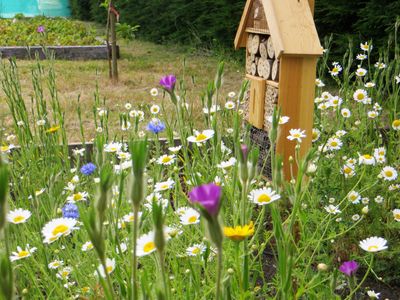
From seedheads providing food for birds to hollow stems offering shelter for overwintering insects, and fallen leaves creating habitat for countless small creatures, leaving some areas of the garden undisturbed can make a surprisingly big difference to biodiversity.
“There's a tendency to think that a good garden is a tidy garden, particularly at this time of year,” says Ana Attlee, conservation scientist and co-founder of the original Seedball company. “But when we clear everything away, we can also be removing food and shelter that wildlife relies on.
“You don't need to let your whole garden become overgrown. It's simply about being a little more selective about what you tidy and what you leave behind.”
Leave some seedheads standing
Once flowers have finished, it can be tempting to cut them back straight away. But the seedheads left behind can provide an important food source for seed-eating birds through autumn and winter.
They can also provide structure and shelter for insects as temperatures fall, while some of the seeds will naturally fall to the ground and contribute to the next generation of plants.
“Before cutting back a plant that's finished flowering, take a moment to look at what's left,” says Ana. “Those dried seedheads might look past their best to us, but they're not finished from a wildlife perspective.”
Don't cut every stem to the ground
Hollow stems can provide valuable overwintering sites for insects, including species that will emerge again in spring.
Rather than cutting every perennial back to ground level, gardeners can leave some stems standing through the colder months. A few uncut areas can provide small pockets of habitat without changing the overall appearance of a carefully maintained garden.
Let some leaves lie
Fallen leaves are another part of the autumn garden that gardeners don't necessarily need to clear away completely.
Leaf litter provides food and shelter for a wide range of invertebrates, while its gradual decomposition returns nutrients to the soil. Instead of removing every leaf, gardeners could allow some to collect beneath shrubs, hedges or in quieter corners of the garden.
“Leaves can look like something that needs dealing with, but they're part of a much bigger food web,” says Ana. “They're providing habitat for tiny creatures, which in turn support other wildlife.
“Think about creating different levels of tidiness. Keep paths and areas you use clear, but allow nature to take over in less-used corners.”
A little untidiness can make a big difference
For gardeners who enjoy a neat and orderly outdoor space, supporting wildlife doesn't mean abandoning the garden altogether.
Instead, the original Seedball company is encouraging gardeners to make small, simple changes: leave a few seedheads standing, keep some stems intact and allow fallen leaves to gather in selected areas.
These small pockets of habitat can support a surprising variety of wildlife over the colder months.
“A wildlife-friendly garden doesn't have to look messy,” says Ana. “It's about making room for nature alongside the parts of the garden you want to keep neat.
“Sometimes, doing a little less can actually do a lot more for wildlife.”
As gardeners begin their autumn clear-up, Seedball is encouraging them to pause before reaching for the secateurs or rake and consider whether everything really needs to be cleared away.
After all, what looks untidy to us could be providing exactly what garden wildlife needs.
For more advice on creating wildlife-friendly gardens and growing UK native wildflowers, visit the Seedball website.
To explore Seedball’s wide range of wildflower products, visit www.seedball.co.uk
Ends
Editors notes
Seedball was founded by two conservation scientists wanting to boost biodiversity and help wildlife.
Seedball Ltd is an innovative organisation on a mission to help increase the abundance of British wildflowers and the wildlife that depends upon them.
Owned by Project Maya – a non-profit enterprise - Seedball manufactures wildflower seed balls using a unique innovation of wildflower seeds mixed with clay, peat-free compost and chilli powder to naturally protect seeds from predators. Its products are sold in over 500 stores in the UK, including Kew Gardens, The Woodland Trust and Blue Diamond Garden Centres, as well as online retailers such as Crocus and Marie Curie. Each year, Seedball also donates products to hundreds of schools and community groups to help support their nature projects.