Autumn clean-up: The pest jobs that save you problems next spring
Published:
Read Time: 2 mins
Autumn clean-up: The pest jobs that save you problems next spring
October and November are the perfect time to tackle garden pests before they have a chance to make a comeback next spring, says plant pest expert Tessa Cobley.
“Autumn is when you can really get ahead of some of the pest problems you'll be dealing with next year,” says Tessa. “A bit of cleaning up now can make a huge difference when things start warming up again.”
Get your last slug and vine weevil treatments down
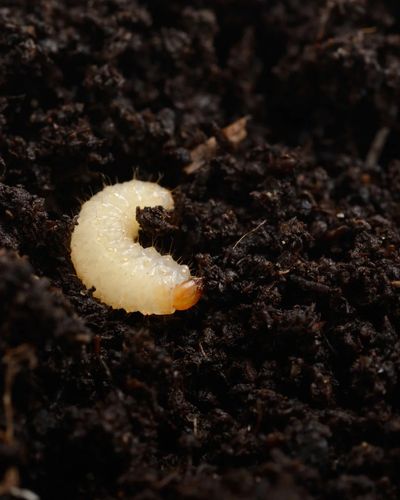
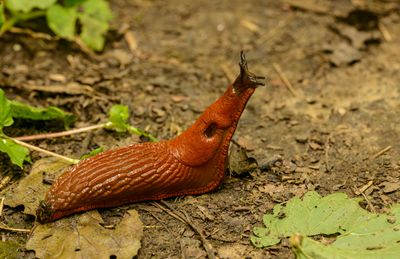
If slugs or vine weevil have been a problem this year, don't assume the job is finished just because the weather is getting colder. October is a good time for a final nematode treatment, provided soil temperatures are still suitable.
Slug nematodes and vine weevil nematodes are watered into the soil, to target the slugs and grubs living around plant roots. The autumn treatment is particularly useful because it targets the young pests before they overwinter, stopping them from coming back in bigger numbers next spring
Clean up after this year's pests
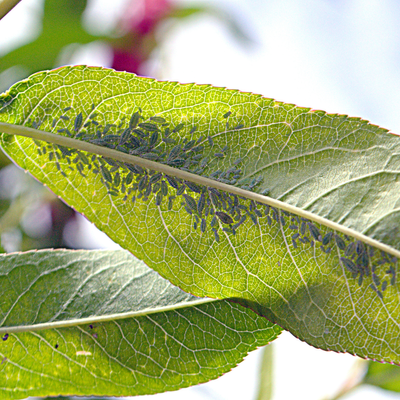
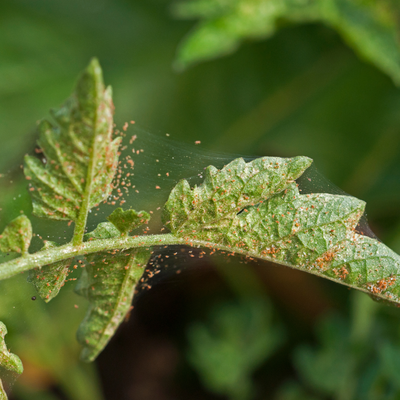
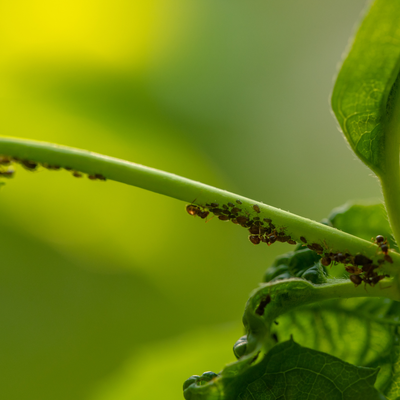
Had a battle with aphids, spider mites or thrips this year? Don't just leave affected plants and debris sitting around until spring. These pests can survive the winter in various life stages, ready to get going again when conditions improve.
Remove badly affected plant material and clear away debris around plants. If you're still seeing pests, reduce numbers now rather than waiting for spring. Tessa recommends products such as Horticultural Soap or SB Plant Invigorator to target a wide range of pests, alongside biological controls where appropriate. Ladybird Plantcare's range of pest controls includes options for a number of common garden pests.
Wash the kit you use to grow
November is the time to tackle the things that are easy to forget: pots, trays, canes, tools and anything else that's been sitting around the garden all season.
Give them a thorough clean before storing them away. Pots and canes can provide sheltered spots for pests and their eggs, so don't simply stack everything up and forget about it until spring.
Don't forget the greenhouse
If you grow under cover, give the greenhouse and other growing structures a proper clean and disinfect before winter. Pay particular attention to corners, cracks, shelves and other places where pests can hide.
“It sounds like boring housekeeping, but these are exactly the sort of jobs that can save you a lot of hassle later,” says Tessa. “Don't give next year's pests a head start. Spend a bit of time cleaning up now and you'll be starting the new growing season with a much cleaner slate.”
For more guidance on common plant pests and how to tackle them, or to browse Ladybird Plantcare’s range of biological control methods, visit www.ladybirdplantcare.co.uk
Ends
Editors notes
With years of experience, Tessa Cobley is your go-to expert on plant pests. She offers valuable insights into identifying and managing infestations. Tessa believes that using biological pest control will eventually be the norm, we just need to let more people know about it. Tessa owns and runs Ladybird Plantcare which she has grown twenty-fold in the past 6 years.