Pet-friendly pest control: keep your plants thriving and your pets safe
Published:
Read Time: 4 mins
If you’ve ever caught your dog happily sniffing around the garden - nose down, tail wagging - you’ll know just how much our four-legged friends love to get involved in outdoor life. The trouble is what we use to protect our plants isn’t always quite so friendly for curious pets.
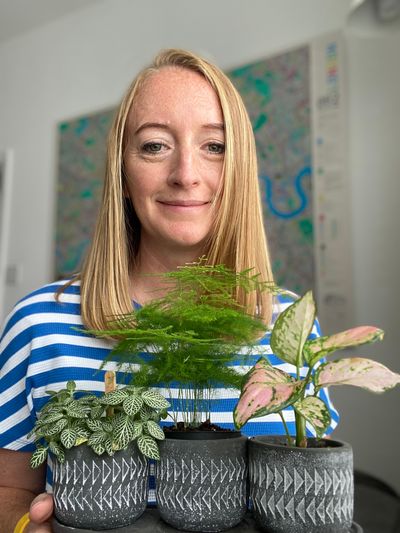
Here, Tessa Cobley, plant pest expert and owner of Ladybird Plantcare shares her top tips on tackling pests without putting cats and dogs at risk:
For decades, gardeners have relied on traditional pest control methods like slug pellets and chemical sprays to keep plants looking their best and to keep pests at bay. They’re effective, yes - but they can also come with hidden risks, particularly as animals don’t always know the difference between a treat and a toxin.
When pest control becomes a problem
Slug pellets used to contain an active chemical called metaldehyde which posed a serious threat to dogs and wider wildlife, but thankfully the use of this chemical was banned in 2022. But that doesn’t mean modern slug pellets are entirely safe. Though the harm they cause is not as severe, the pellets now contain ferric phosphate which can cause diarrhoea and digestive upset for furry friends. Dogs are more prone to consuming the pellets due to their curious nature, so if your puppy is a fan of foraging and tucking into things it’s not supposed to, slug pellets might not be the best solution.
Chemical insecticides and pesticides can also pose a danger. Pets may walk across treated areas, lick their paws, or even nibble on recently sprayed plants. This exposure can lead to digestive issues, skin irritation, or more serious health concerns – it’s just not worth the risk when it comes to our pet’s health.
A kinder, safer approach to pest control
Many pet owners simply aren’t aware that common garden pest control products can be toxic to cats and dogs. What seems like a routine gardening task can quickly become a veterinary emergency or a messy situation to clean up! But thankfully there’s natural products available that are much kinder to the environment and to our furry friends.
There are plenty of effective, natural alternatives that work with nature rather than against it. Here’s my list of healthier, happier solutions:
1. Nematodes: tiny helpers with a big impact
Beneficial nematodes are microscopic worms that target specific pests in the soil - like slugs, vine weevil, leatherjackets - without harming pets, wider wildlife, or plants. They’re applied with water and get straight to work underground, making them an easy, invisible solution that won’t disrupt your pet’s playtime.
Biological controls like nematodes offer gardeners peace of mind. They’re highly targeted, completely pet-safe, and fit seamlessly into a more sustainable gardening approach.
They can easily be bought online at Ladybird Plantcare and delivered directly to your front door – no need to pop out and compete with the garde centre car park!
2. Let nature lend a hand
Encouraging natural predators is one of the simplest and most enjoyable ways to manage pests.
- Birds, hedgehogs, beetles and even frogs are excellent slug hunters
- Ladybirds and lacewings feast on aphids and other soft-bodied insects
By creating a wildlife-friendly garden - think log piles, water sources, and native planting - you’ll naturally keep pest populations in check.
A balanced garden ecosystem is one of the most effective pest control tools we have. When you support beneficial wildlife, they do much of the hard work for you. If your garden is lacking these predatory insects, ladybirds and lacewings can be purchased online and introduced directly to problematic areas – a simple and safe solution!
3. Hands-on (but surprisingly satisfying)
It might not sound glamorous, but removing pests by hand can be incredibly effective - especially for slugs and snails. Early mornings or damp evenings are the best times to head out with a torch and a pair of gloves. It’s simple, immediate, and completely risk-free for pets.
Gardening with pets in mind
Switching to natural pest control isn’t just about avoiding risk - it’s about creating a garden that feels safe, balanced, and enjoyable for everyone who uses it, including your pets.
After all, a garden should be a place where you can relax, not worry about what your cute companion might have picked up along the way.
With a few thoughtful changes, you can keep your garden flourishing, and your furry friends can happily explore without concern. And really, that sounds like a win all round!
Ends
Editors notes
With years of experience, Tessa Cobley is your go-to expert on plant pests. She offers valuable insights into identifying and managing infestations. Tessa believes that using biological pest control will eventually be the norm, we just need to let more people know about it. Tessa owns and runs Ladybird Plantcare which she has grown twenty-fold in the past 6 years.