Spring Foraging in Britain’s Woodlands
Published:
Read Time: 2 mins
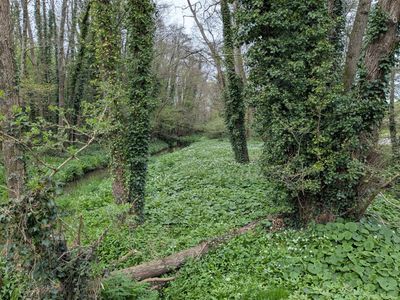
As spring blooms into life across the UK, the woodlands begin to offer one of nature’s most exciting seasonal larders. From the unmistakable scent of wild garlic to the tender green tips of nettles and the first edible flowers of the year, spring is a time when woodland walks can reveal an abundance of natural ingredients.
“Spring is when the woodland really wakes up,” says Stuart Brooking, local Manager for Devon & Cornwall at Woodlands.co.uk and a keen home cook. “These ingredients have been part of British cooking for generations, and when used carefully they can create extraordinary dishes.”
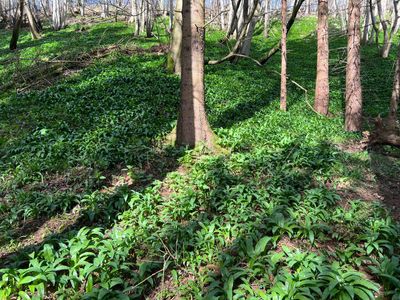
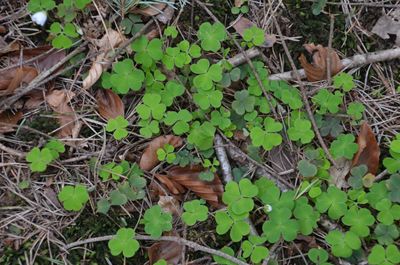
Woodlands.co.uk have noticed the interest in foraging has grown rapidly in recent years as people become more curious about where their food comes from and how to cook with seasonal ingredients found close to home. Many chefs and home cooks are rediscovering traditional wild foods such as nettles, chickweed, dandelion leaves and wild garlic, which thrives in damp woodland soils during early spring.
To celebrate the season, Woodlands.co.uk has created a woodland-inspired menu highlighting some of the most common and accessible spring finds.
“Cooking with ingredients you’ve gathered yourself changes how you think about food,” he says. “It encourages you to slow down, notice the landscape around you, and appreciate just how much flavour the British countryside offers.”
The Woodland Spring Forager’s Menu
Amuse-bouche
Wild Garlic & Sea Salt Focaccia with Whipped Woodland Butter
Starter
Spring Nettle & Potato Soup with Toasted Hazelnuts
Main Course
Woodland Mushroom Risotto with Shaved Aged British Cheese
Side Dishes
Charred Asparagus with Sorrel sauce
Chickweed, Watercress & Young Leaf Salad with Crab apple vinaigrette
Dessert
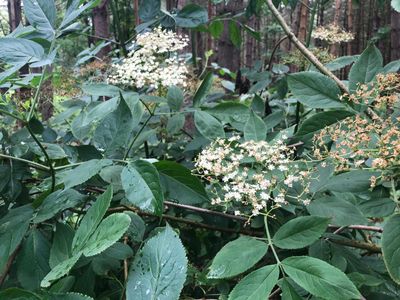
Elderflower & Primrose Panna Cotta with Woodland Honey and Candied Violet Petals
Responsible Spring Foraging Tips from Woodlands.co.uk
Foraging is a wonderful way to explore the countryside, but it should always be done carefully and respectfully. Woodlands.co.uk recommends the following guidance for beginners.
Be Certain of Identification - Only pick plants that you can identify with complete confidence. Some edible plants have poisonous lookalikes, and misidentification can be dangerous. If you are unsure, leave it where it is.
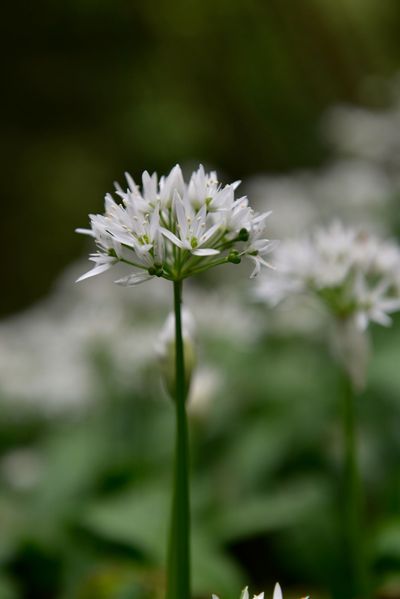
Start with Easy-to-Recognise Plants - Beginners are often advised to start with easily identifiable species such as wild garlic, which has a distinctive garlic scent and grows abundantly in damp woodland areas during spring.
Take Only What You Need - Harvest lightly and avoid stripping an area. Taking small amounts helps ensure plants can continue to reproduce and wildlife can still benefit from them. Pick leaves individually rather than pulling up whole plants, and use scissors or a knife where appropriate to avoid damaging roots.
Understand the Law - Under UK law it is illegal to uproot wild plants without permission from the landowner, and some species are protected. Foraging is generally limited to small quantities for personal use and should never damage the habitat.
Avoid Polluted Areas - Do not collect plants growing near busy roads, contaminated ground or industrial areas, where pollution or pesticides may affect safety.
Ends
Editors notes
Founded with a mission to make woodland ownership accessible and enjoyable, Woodlands.co.uk offers private woodlands for sale across the UK. The company provides resources and guidance for new owners to explore creative ways of managing their woodlands for personal and community benefit. Whether for conservation, leisure, or environmental education, Woodlands.co.uk empowers individuals to steward and protect their woodlands for generations to come.