The garden pest putting dogs at risk, and the safe solution many owners don't know about
Published:
Read Time: 4 mins
Dog owners are increasingly searching online for answers about slugs, lungworm and pet-safe garden care, with questions including "are slugs dangerous to dogs?", "can dogs get lungworm from slugs?" and "what is the safest way to control slugs with a dog?" highlighting growing concern about protecting pets outdoors.
As awareness grows around the link between slugs, snails and lungworm, biological pest control expert Tessa Cobley, founder of Ladybird Plantcare, is urging gardeners to think carefully about the products they use outdoors and to consider targeted solutions that work with nature.
"Many dog owners are becoming more aware of the risks that slugs and snails can pose, but they are often unsure how to manage the problem safely," explains Tessa. "Beneficial nematodes offer a simple solution because they target slugs naturally in the soil without posing a risk to dogs or other garden wildlife. This means gardeners can reduce slug numbers, protect their plants and feel confident that they are making a safer choice for their pets."
Why are slugs dangerous to dogs?
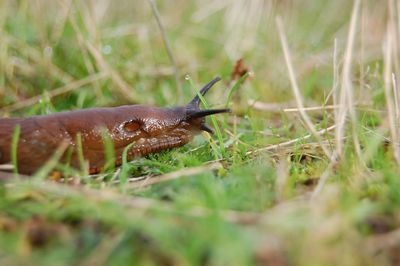
Dogs can become infected with lungworm by accidentally eating slugs or snails, or even by coming into contact with infected slime left on grass, toys, water bowls or other objects in the garden.
Lungworm is a serious disease that can cause significant health problems in dogs and, without treatment, can be fatal.
Veterinary surgeon Dr Vicky Strong MRCVS explains why lungworm is such a serious concern: "Adult lungworms live in the dog's heart and blood vessels. They can cause lots of damage throughout the body and make the dog seriously ill. Lungworm is often fatal."
With dogs spending more time outdoors during the warmer months, many owners are looking for ways to reduce the risks associated with slugs and snails in their own gardens.
"Reducing slug numbers can play an important part in protecting your dog," says Tessa. "However, it is important to think carefully about the methods you use, as many pest control methods pose a threat to pets themselves.”
A pet-safe solution for slug control
One of the most effective and pet-safe biological methods of controlling slugs is the use of beneficial nematodes.
Applied to moist soil using a watering can or hose-end applicator, these naturally occurring microscopic organisms seek out slugs beneath the soil surface, helping to reduce populations before they cause widespread damage.
"Beneficial nematodes are a great example of how gardeners can manage pests in a more targeted way," says Tessa. "They work naturally in the soil, specifically targeting slugs while leaving dogs, cats, people and other garden wildlife unaffected."
"One of the reasons I recommend this approach to dog owners is that it fits around family life. Unlike some garden treatments that require pets to be kept away from treated areas, beneficial nematodes are safe to use around dogs, meaning they can continue to enjoy the garden straight after application."
Looking beyond slug control
Tessa believes pet owners should think carefully about all of the products they use in their gardens, not just slug control.
"We're often incredibly careful about the products we use inside our homes, but we don't always apply the same thinking outdoors," she explains. "Products used to control insects on plants, as well as certain patio and driveway cleaners, may require pets to be kept away from treated areas for a period of time, so it's always worth reading the label carefully."
"It’s worth noting also, that if a product requires caution around pets, it is likely to have a negative impact on the wider garden ecosystem too. Our gardens rely on a huge range of beneficial insects and organisms, and choosing targeted solutions can help protect that balance."
Creating a healthier garden for pets and wildlife
Tessa believes biological controls offer gardeners a way to tackle common pest problems while working with nature.
"Healthy gardens rely on balance," she says. "There are lots of insects and organisms that play an important role, from pollinators to natural predators that help keep pests under control. Biological controls allow gardeners to deal with specific problems without unnecessarily affecting the rest of the garden."
Tessa's top tips for pet-friendly pest control
For dog owners looking to reduce the risks associated with slugs in their gardens, Tessa recommends asking:
- Is it safe to use around pets?
- Will pets need to be kept away after application?
- Does it target a specific pest, or could it affect other wildlife?
- Is there a biological alternative available?
"There are now effective biological solutions for many of the garden's most common pests," says Tessa. "For dog owners concerned about the link between slugs and lungworm, choosing the right slug control method can be an important part of creating a safer outdoor space. By understanding how different products work, gardeners can protect their pets, their plants and the wider wildlife that makes gardens thrive."
For more expert advice on identifying and managing common garden pests using biological controls, visit the Ladybird Plantcare website.
Ends
Editors notes
With years of experience, Tessa Cobley is your go-to expert on plant pests. She offers valuable insights into identifying and managing infestations. Tessa believes that using biological pest control will eventually be the norm, we just need to let more people know about it. Tessa owns and runs Ladybird Plantcare which she has grown twenty-fold in the past 6 years.