The hidden pests attacking your vegetable patch from underground
Published:
Read Time: 3 mins
Gardeners are being warned that some of the biggest threats to homegrown crops could be lurking beneath the soil
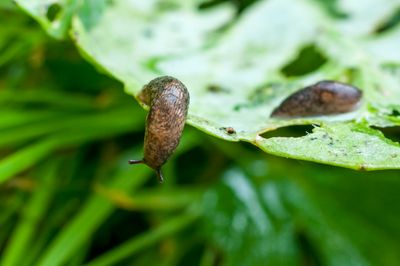
You’ve spent the summer checking your cabbages for caterpillars, watching your lettuces for slugs and keeping a close eye on anything nibbling at your leaves.
Now, as the nights draw in and the garden begins to move into autumn, it’s time to turn your attention below ground too.
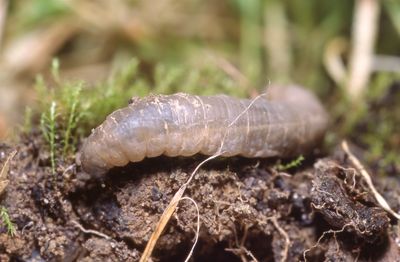
A host of hungry pests can be developing beneath the soil, where their larvae can feed on the roots and underground parts of fruit and vegetable crops before there are obvious signs of trouble.
Carrot root fly, cabbage root fly, onion fly, cutworms and leatherjackets are among the pests that can cause problems below the surface, making them much harder to spot than the usual suspects crawling across leaves.
Now the garden care experts behind Nemasys are encouraging growers to look beneath the surface when thinking about protecting this year’s crops.
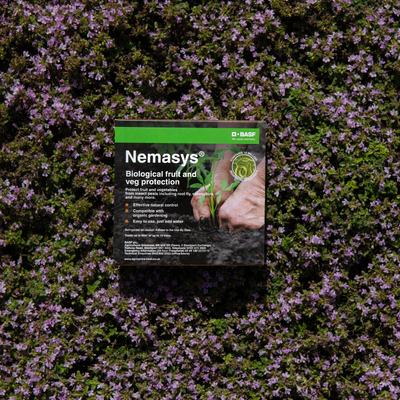
Nemasys Fruit & Veg Protection uses a carefully selected mix of beneficial nematodes, microscopic organisms that occur naturally in soil, to seek out and target specific garden pests.
Once watered into the soil, the nematodes move in search of susceptible pest larvae, providing gardeners with a targeted biological way to tackle a problem that may otherwise remain completely out of sight.
When we think about garden pests, it is easy to picture the ones we can actually see, whether that is a caterpillar on a cabbage leaf or a slug making its way towards a seedling. But some of the damage to homegrown crops can begin where we can’t see it.
The larvae of pests such as carrot root fly and cabbage root fly develop in and around the soil, where they can damage crops gardeners have spent weeks or months nurturing.
Beneficial nematodes work differently because they actively seek out their target pests. They are microscopic, so gardeners won’t see them at work, but when applied in the right conditions they can move through moist soil to find susceptible larvae.
Nemasys Fruit & Veg Protection contains a blend of different beneficial nematode species, including Steinernema feltiae and Steinernema carpocapsae, and can be used against a wider range of fruit and vegetable pests including carrot root fly, cabbage root fly, leatherjackets, cutworms, onion fly, sciarid fly, caterpillars, gooseberry sawfly, thrips and codling moth.
Different pests require different application methods and timings, so gardeners should always follow the instructions for the pest they are treating.
Suitable for use on food crops and in organic growing, the treatment offers gardeners a biological approach to protecting homegrown produce throughout the growing season.
So, when planning how to protect the last of your fruit and vegetables this year, it is worth remembering that healthy plants do not just depend on what is happening above the soil. Sometimes the pests you can’t see are the ones to look out for.
Ends
Editors notes
Nematodes are naturally occurring microscopic worms, already present in our soil. Beneficial nematodes attack and kill targeted garden pests. They are compatible with organic farming, easy to use and can even be kept in your fridge!
Research scientists have isolated the nematodes that kill specific garden pests including Slugs, Vine weevils, Leatherjackets, Caterpillars, Codling moth and much more.
BASF’s state of the art production facility in the UK produces billions of nematodes in a form that is easily applied by gardeners. Over 20,000 different species of nematodes have been classified, although some estimates put the total figure closer to one million! BASF has the largest specialist nematode production facility in the world, growing trillions of beneficial nematodes for use in their Nemasys range of pest control products.
BASF experts are available for interviews, features and expert comment on biological pest control management, and product is available for reviews, competitions and product trials.