Helping pollinators, no matter your space: the small change that makes a big difference
Published:
Read Time: 4 mins
Think you need a sprawling garden to support bees and butterflies? Think again! Whether it’s a window box, a balcony, a doorstep planter or a small patch of soil, even the tiniest outdoor space can become a haven for pollinators.
Why pollinators need our help
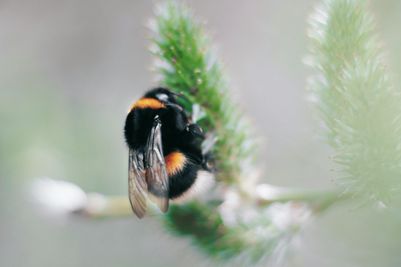
Across the UK, pollinators are declining and struggling to thrive. From the familiar bumblebee weaving through foxgloves to lesser-known beneficial insects like beetles and hoverflies, these vital species are under pressure as wild spaces continue to disappear. In fact, the UK has lost 97% of its traditional wildflower meadows in the last century, stripping away essential food sources and habitats from these invaluable creatures.
But there’s good news: even the smallest outdoor space can help play a part in reversing the trend.
A simple way to support wildlife
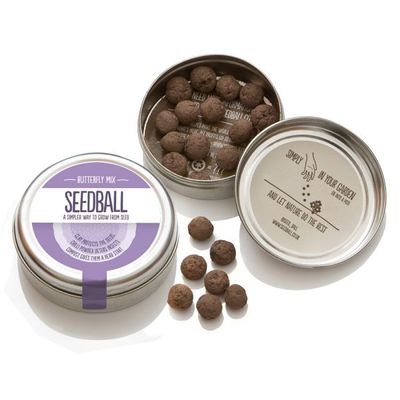
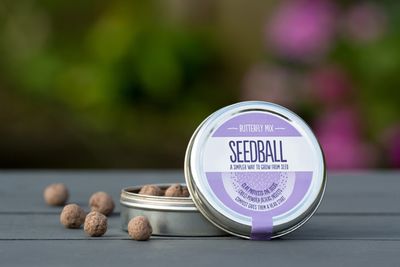
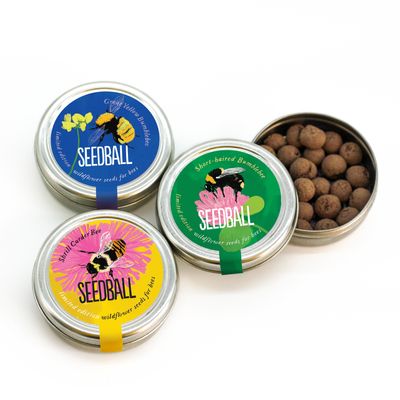
That’s where Seedball, the original seed ball company, comes in. Seedball takes the effort out of growing wildflowers and supporting biodiversity, which means that helping wildlife is no longer reserved for seasoned gardeners. In fact, it can be as simple as scattering a handful of seed balls and letting nature take the lead.
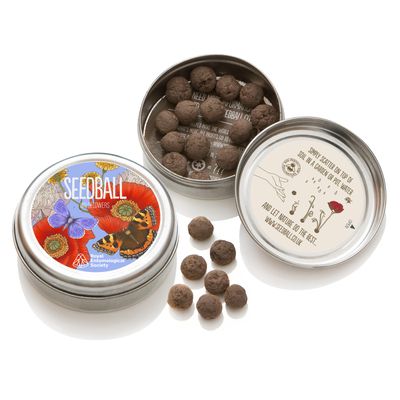
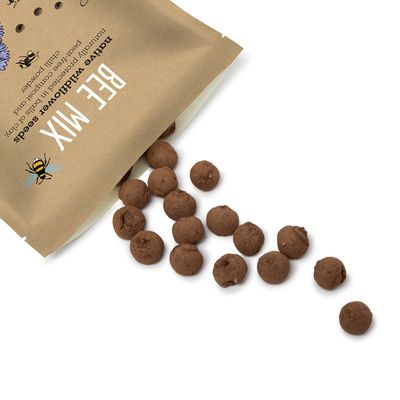
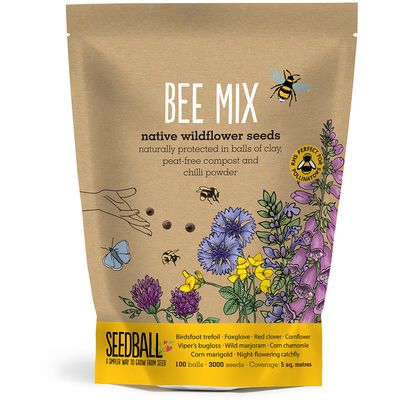
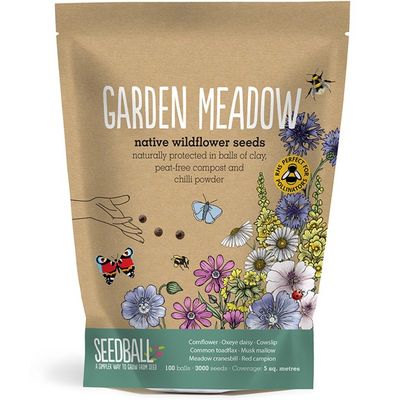
Each small clay-coated ball contains a mix of native wildflower seeds - such as red campion, cornflower, wild marjoram, common poppy and toadflax - along with peat-free compost and a natural chilli powder deterrent to protect against slugs and snails. There’s no digging, no complicated planting schemes and no gardening expertise required. Just scatter them onto soil or compost, give them a quick drink, and let nature do the rest.
Why wildflowers are so important
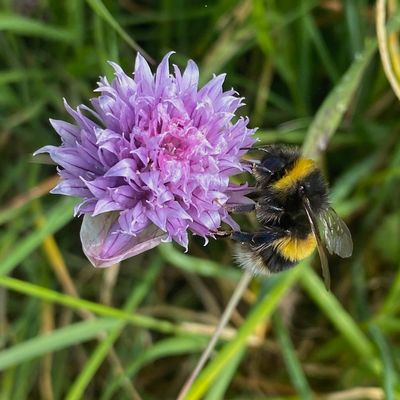
Wildflowers are essential for a wide range of pollinators, not just bees and butterflies but also moths, beetles, flies and even wasps! Together, these insects underpin healthy ecosystems, supporting everything from food production to soil health. By introducing even a small patch of wildflowers, you’re helping to rebuild a vital food web.
Seedball specialises in native wildflowers, which are closely linked to the survival of some of the UK’s insect populations. Certain species, including the small blue butterfly, rely on specific native plants such as kidney vetch to lay their eggs, meaning they simply cannot complete their life cycle without them. This close relationship between plant and insect highlights just how important it is to maintain and expand wildflower-rich habitats.
Having evolved alongside Britain’s climate and soils, native wildflowers are naturally well adapted to local conditions. Many species are also better equipped to cope with periods of dry weather, which is becoming increasingly relevant as UK summers grow hotter and drought conditions become more frequent. Beyond their ecological value, wildflowers are deeply woven into our landscape heritage and cultural history, shaping the character of meadows, hedgerows and countryside for centuries.
All wildflowers provide vital food and sustenance for pollinators, but native wildflowers are especially beneficial thanks to their resilience and the way they have evolved in step with local wildlife and conditions over thousands of years. This long process of natural adaptation means they are perfectly suited to the insects, soils and climate of the UK, making them a reliable and effective source of nectar and pollen for pollinators.
Seedball takes the guesswork out of knowing what to plant by creating wildflower mixes that support a wide range of pollinators and wildlife - just pick your pack, scatter and watch them bloom.
Every space counts – from hanging baskets to borders
As Dr Emily Attlee, conservation scientist and co-founder of Seedball, explains: “You don’t need a large garden to make a difference. Pollinators will happily use any patches they can find - from balconies and hanging baskets to community planters. By adding wildflowers to our outdoor spaces, we can start to restore the habitats they depend on.
“Across the UK, our gardens, balconies, allotments, school grounds and shared green spaces collectively cover a vast area of land - far more than many people realise. Domestic gardens alone are often described as one of the country’s largest nature reserves. When these spaces are managed with pollinators in mind, even in small ways, the impact quickly scales up. If more of us added just a small patch of wildflowers, the combined effect could create a network of feeding and nesting habitats across towns and cities, helping to reconnect fragmented ecosystems and supporting far more pollinators than any single space could achieve on its own.”
From city balconies to schoolyards and forgotten corners of lawn, these small actions quickly create a lasting impact. What might seem like a handful of seed balls can become a lifeline for pollinators and a step towards bringing Britain’s wildflowers back.
***
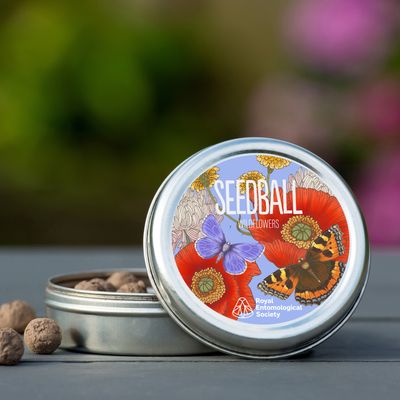
Seedball’s wildflower mixes are carefully curated to provide a long flowering season, ensuring a steady supply of nectar from spring through to autumn. Options include blends tailored for bees, butterflies and general wildlife, as well as the Royal Entomological Society Wildflower Mix, created in collaboration with the UK’s leading insect charity. Each pack sold also contributes to their work protecting invertebrates across the country.
For more information or to browse Seedball’s wider products visit www.seedball.co.uk
Ends
Editors notes
Seedball was founded by two conservation scientists wanting to boost biodiversity and help wildlife.
Seedball Ltd is an innovative organisation on a mission to help increase the abundance of British wildflowers and the wildlife that depends upon them.
Owned by Project Maya – a non-profit enterprise - Seedball manufactures wildflower seed balls using a unique innovation of wildflower seeds mixed with clay, peat-free compost and chilli powder to naturally protect seeds from predators. Its products are sold in over 500 stores in the UK, including Kew Gardens, The Woodland Trust and Blue Diamond Garden Centres, as well as online retailers such as Crocus and Marie Curie. Each year, Seedball also donates products to hundreds of schools and community groups to help support their nature projects.