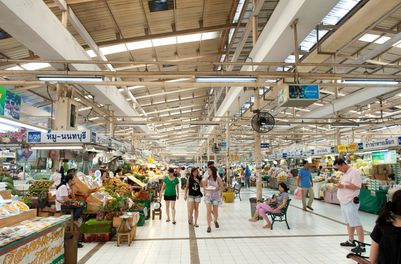
Supermarket Tourism: The everyday food aisles shaping Asia’s most flavourful travel moments
Published:
Read Time: 8 mins
Imagery available here.
Across Asia, some of the most revealing travel experiences are found not only in restaurants, markets and street food stalls, but in the everyday places where local life unfolds - supermarket aisles, convenience stores and corner shops.
From Japan’s renowned konbini snacks to India’s regional crisp snacks, fresh fruit and shelves lined with spices, supermarket tourism offers travellers a simple yet sensory way to experience a destination through the foods people buy, share and return to again and again.
These small everyday discoveries, from a hot fried chicken snack eaten on the go to a packet of regional savouries picked up between train journeys, reveal a different side of Asia: one rooted in comfort foods, local habits, regional ingredients and the quiet rituals of daily life.
Karl Sell, Director at Selective Asia shared “Food is always an immediate and full-sensory way for travellers to experience a culture and visiting local supermarkets in Asia can offer a different perspective on local life across the region. Perusing the supermarket shelves is a great way to taste a variety of foodstuffs that differ from restaurant dishes, and the different items that supermarkets stock in each place can offer insight into locally-loved snacks, comfort foods and spices that are integral to everyday eating. My top pick would be kacang medan - roasted peanuts with chilli, lime and garlic - which can be found in Indonesia and beyond and are fiercely morish."
Japan: Konbini classics, sando shelves and sweet discoveries
[Insert image of Famichiki]
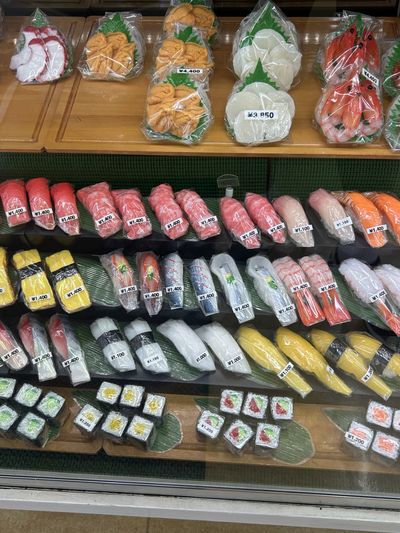
In Japan, supermarkets and konbini convenience stores are destinations in their own right, offering travellers a window into the country’s love of beautifully packaged, convenient and often surprisingly high-quality food. For visitors moving between cities, temples, train stations and walking trails, these everyday shops often become part of the rhythm of the journey.
One of the easiest places to begin is the hot counter. Famichiki, a hot fried chicken snack available from FamilyMart konbini stores throughout Japan, is, by all accounts, absolutely delicious. Crisp, juicy and designed to be eaten on the go, it is the kind of snack that quickly becomes a familiar travelling ritual. Similar counters often sell karaage-style chicken, croquettes, steamed buns and, in colder months, oden: a warming selection of simmered daikon, tofu, eggs and fishcakes served in broth.
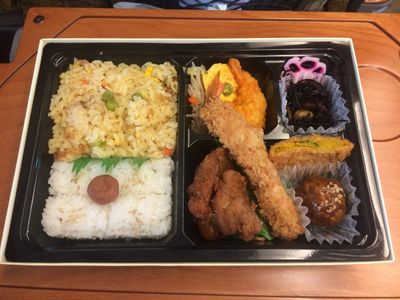
Just as rewarding are the chilled shelves, where travellers will find onigiri rice balls filled with everything from salmon and tuna mayonnaise to pickled plum, alongside bento boxes, noodle salads, ready-to-heat curries and beautifully arranged seasonal dishes.
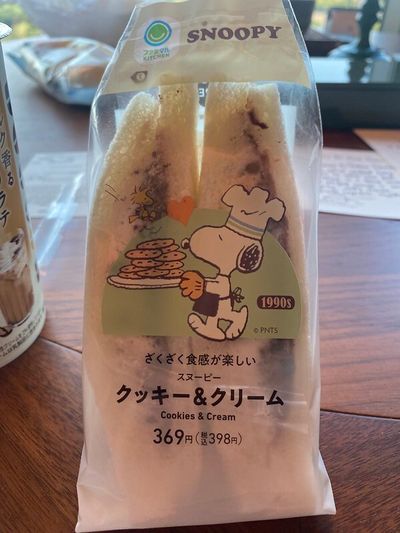
Japan’s sando are another supermarket and corner-shop highlight. These deep-filled sandwiches come in a wide range of savoury and sweet varieties. Classics include egg salad, pork cutlet and fruit sandos layered with cream, while more playful flavours, include cookies and cream.
India: Regional crunch, spice shelves and the joy of savoury snacks
[Insert image of Indian supermarket snack aisle or fafda]
In India, supermarket browsing opens up a world of regional flavour, particularly through the country’s many crisp, savoury snacks. These are the kinds of everyday foods that speak to local preference, regional identity and the deep importance of spice, texture and freshness in Indian eating.
The snack aisle alone can act as a map of the country. Travellers might find packets of sev, bhujia, chivda, chakli, murukku, masala peanuts, banana chips, lentil mixes and spiced puffed rice, each offering a different balance of heat, crunch, salt, tang and sweetness. Many are grouped under the broad category of namkeen: savoury snacks eaten across India, often with tea, shared with guests, or served during festivals and family gatherings.
A particular favourite from the Selective Asia team was fafda from Gujarat. Made from fried gram flour sticks flavoured with caraway and turmeric, fafda is a crunchy regional snack that reflects the diversity of India’s supermarket shelves. In Gujarat, travellers might also come across khakhra, thin roasted wheat crackers often flavoured with methi, masala or jeera.
Beyond snacks, Indian supermarkets are particularly rewarding for anyone interested in the building blocks of everyday cooking. Spice shelves are often richly varied, with whole and ground spices, spice blends, masalas, pickles, chutneys, papads, lentils, rice, flours and ready-to-cook mixes offering insight into how flavour is layered at home. For travellers, these shelves can help decode the dishes they encounter in restaurants and homestays, from the warmth of turmeric and cumin to the sharpness of amchur, the heat of chilli and the perfume of cardamom.
South Korea: Everyday shelves, ready-to-eat rituals and local comfort food
[Insert image of South Korean supermarket or convenience store shelves]
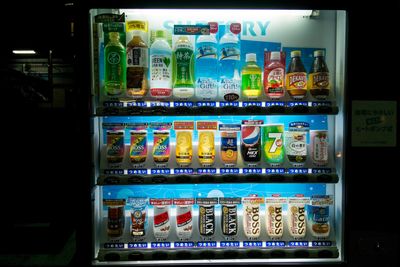
In South Korea, supermarkets and convenience stores offer a fast-paced snapshot of contemporary food culture, where ready-to-eat meals, colourful snack aisles and chilled shelves packed with drinks and desserts reflect the pace and personality of daily life. For travellers, these stores are especially useful because they are often designed around immediacy: food that can be bought, heated, assembled and eaten within minutes.
The ready-to-eat section is a good place to start. Travellers can look for samgak gimbap, the triangular rice parcels wrapped in seaweed and filled with ingredients such as tuna mayonnaise, kimchi, beef or spicy pork, as well as gimbap rolls, dosirak lunch boxes, rice bowls, salads and packaged side dishes. Many convenience stores have microwaves, hot water machines and small seating areas, making it easy to turn a few supermarket finds into a casual meal.
Cup ramyeon is another essential part of the experience. Shelves are often lined with instant noodle options, from mild broths to fiery chilli-based varieties, with travellers able to add hot water in store and eat them there. Alongside these, visitors may find tteokbokki cups, sausages, hot bar fishcakes, dumplings and other warm snacks that echo the flavours of Korean street food in a quick, convenient format.
For a deeper look at Korean home cooking, larger supermarkets are especially rewarding. Travellers can browse shelves of gochujang, doenjang, soy sauce, sesame oil, gochugaru chilli flakes, dried seaweed, noodles, rice, kimchi, banchan and seasonal produce, each offering clues to the flavours that underpin Korean meals. From neatly arranged fresh fruit and vegetables to fermented staples and ready-made side dishes, South Korea’s supermarkets offer a different kind of food discovery - less formal than a restaurant meal, but rich in insight into what people cook, crave and keep close at hand.
A different perspective on local life
While markets and restaurants remain central to any food-focused journey through Asia, Selective Asia encourages travellers to leave space for the quieter, more everyday discoveries that come from supermarket tourism.
A quick browse through the aisles can reveal locally loved snacks, comfort foods, fresh produce, spices and seasonal treats that may never appear on a restaurant menu, but which are deeply woven into daily life.
It is this curiosity-led approach that underpins Selective Asia’s journeys across the region. By encouraging travellers to look beyond the expected, Selective Asia creates tailor-made holidays that connect people with the everyday details, local flavours and lived experiences that reveal the true character of a place.
Travellers can explore these food stories, and the cultures behind them, through Selective Asia’s tailor-made journeys across Japan, South Korea, India and beyond.
//
Selective Asia’s Journeys:
Japan - Following Ancient Trails
17 days, from £5,990 / When to go: March - December
Winding through Japan’s Kansai region, the ancient Kumano Kodo pilgrimage trails lead through forested mountains to the sacred Kumano Sanzan shrines, offering a deeply atmospheric journey along paths shaped over thousands of years. Walking these surviving routes, you’ll move through cool, dappled woodland, stay in characterful inns, and experience the quiet hospitality and small kindnesses of local communities that make time away from the modern world so memorable.
17 days, from £3,990 / When to go: October - April
Tucked between the Arabian Sea and Maharashtra, Gujarat sits quietly beyond India’s usual spotlight, its former royal grandeur and living traditions ready to surprise those who venture a little further. From the pol neighbourhoods of Ahmedabad and grand princely cities like Baroda and Gondal to family-run ancestral homes in rural Muli and Dared, the state reveals a warm welcome and a deep commitment to heritage, craft and conservation, set against striking landscapes that range from the salt deserts of the Ranns of Kutch and the grasslands of Velavadar to the forests of Gir, coastal wetlands and India’s first marine National Park.
South Korea - Saké and Seoul: Japan & South Korea
14-days, from £4,890 / When to go: Year-round
From the energy of Seoul to the country’s historic towns, coastal landscapes and regional food culture, South Korea offers travellers a journey shaped by contrast, creativity and deep-rooted tradition. Supermarkets and convenience stores add another layer to the experience, revealing the everyday foods, flavours and rituals that sit alongside the country’s celebrated restaurants and street food.
-END-
About Selective Asia
Selective Asia is a B-Corp certified leading tour operator specialising in curated travel experiences that stop travellers in their tracks and stir their soul. Founder, Nick Pulley, and his specialist team of travel enthusiasts thoughtfully put together tailormade itineraries and experiences that inquisitive travellers will remember for a lifetime. From the deepest parts of Borneo’s tropical rainforests to the lesser-known scattering of islands in southernmost Japan and everywhere in between, Selective Asia make it their mission to lead travellers off the beaten track to discover new destinations in a bid to not only combat overtourism but to show travellers where the true soul of a destination lies. Unfollow the herd.
Press Enquiries:
Lemongrass Marketing
E: selectiveasia@lemongrassmarketing.com
T: +44 (0)1865 237 990
Ends
Editors notes
At the heart of Selective Asia, you'll find a passion for meaningful travel — the kind that stops you in your tracks and stirs your soul.