Get ahead of overwintering pests before the cold weather arrives
Published:
Read Time: 3 mins
Plant pest expert Tessa Cobley, owner of Ladybird Plantcare, shares the simple autumn jobs that can stop garden and houseplant pests settling in for winter.
As temperatures begin to drop, many garden and houseplant pests start preparing for winter, making autumn a good time to get ahead of them.
From vine weevil larvae hidden in compost to leatherjackets and chafer grubs feeding beneath lawns, plenty of pests spend the colder months out of sight before becoming a bigger problem in spring.
“Autumn is when a lot of pests quietly settle in for winter,” says plant pest expert Tessa Cobley. “The damage often isn’t obvious until months later, so taking action now can save you a much bigger problem next year.”
Tessa’s five ways to get ahead of overwintering pests
1.Get ahead of slugs before they overwinter
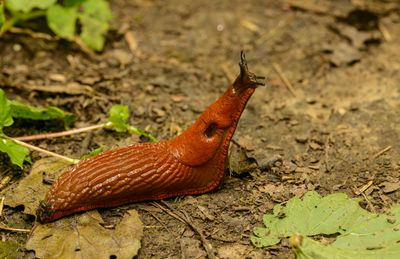
Autumn is an important part of the slug lifecycle, as slugs remain active in damp conditions and can lay eggs in moist soil, compost and sheltered spots around the garden. Young slugs can then overwinter and continue developing before becoming active again in spring.
Clearing away excess plant debris and other damp hiding places can make the garden less inviting, while dealing with slugs before winter gives you a chance to reduce the population before the spring growing season.
“Slugs don’t simply disappear when autumn arrives,” says Tessa. “They can remain active for much of the cooler, wetter weather, and autumn is a really useful time to break the cycle before you’re suddenly dealing with lots of hungry slugs in spring.”
2.Check pots and containers for hidden vine weevil larvae
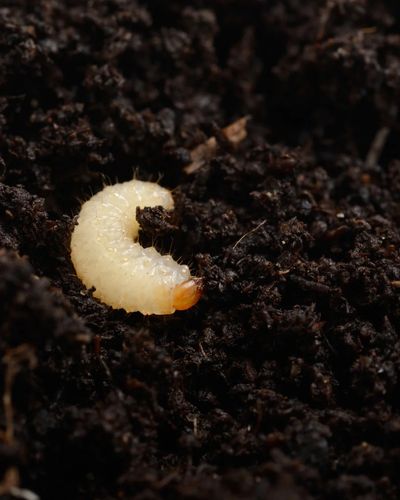
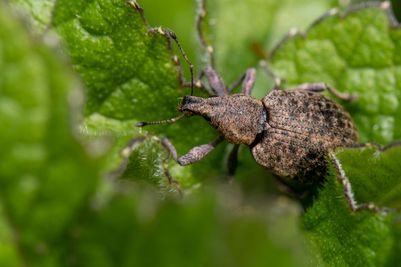
Vine weevil larvae spend autumn and winter feeding on plant roots beneath the compost surface.
If plants are wilting despite moist compost, gently check around the roots for creamy-white grubs with brown heads.
“Vine weevil larvae can spend months feeding unseen,” says Tessa. “Treating them in autumn is much more effective than waiting until damaged plants appear in spring.”
3.Protect your lawn before leatherjackets and chafer grubs get established
Leatherjackets and chafer grubs live below the lawn surface, feeding on grass roots throughout autumn and winter.
If birds are pecking at the lawn, or if patches feel loose underfoot, it could be a sign they're already present.
“By the time lawns develop large brown patches, the roots have often already been damaged,” says Tessa. “Autumn is the key window to protect your lawn while the pests are still active in the soil.”
4.Give houseplants a proper pest check before they come indoors
If houseplants have spent summer outside, inspect every leaf before bringing them back inside.
Check underneath leaves, around stems and in leaf joints for aphids, spider mites, thrips and other hitchhiking pests.
“Bringing one infested plant indoors can quickly turn into a houseplant-wide problem,” says Tessa. “A quick check now is much easier than dealing with an outbreak later.”
5.Treat the pest while it's still in its vulnerable stage
Many overwintering pests are easiest to control while they're still larvae in the soil.
Tessa recommends targeted biological controls, including beneficial nematodes for vine weevil larvae, leatherjackets and chafer grubs, before colder conditions slow pest activity.
“Biological controls work with the pest's life cycle,” says Tessa. “Autumn gives you a valuable opportunity to tackle the problem before it develops into next season's infestation.”
A little autumn action can mean fewer pests next spring
Overwintering pests are easy to miss because they're often hidden in compost or beneath the soil surface, but acting now can help protect plants through winter and into spring.
“It's one of those gardening jobs that really pays off later,” says Tessa. “A few minutes spent checking and treating plants now can help them come back healthier when the growing season starts again.”
For more advice on identifying and controlling houseplant pests using biological controls, visit the Ladybird Plantcare website.
Ends
Editors notes
With years of experience, Tessa Cobley is your go-to expert on plant pests. She offers valuable insights into identifying and managing infestations. Tessa believes that using biological pest control will eventually be the norm, we just need to let more people know about it. Tessa owns and runs Ladybird Plantcare which she has grown twenty-fold in the past 6 years.