A Forager’s Guide to Making Wild Woodland Booze
Published:
Read Time: 5 mins
By Jim Parums, foraging expert at Woodlands.co.uk
August and September are arguably the finest months of the year for the British forager. Hedgerows bow under the weight of blackberries, elder trees hang heavy with fruit, and the first sloes begin to darken on the blackthorn. With a basket, a foraging guide, my favourite is Food for Free by Richard Mabey, and a little patience, you can gather everything needed to create exceptional homemade wines, liqueurs and infused spirits.
When foraging, choose your locations carefully. Look along hedgerows, woodland edges, public footpaths, common land and the wilder corners of parks where foraging is permitted. These areas often provide some of the richest and most accessible harvests in late summer and early autumn.
Avoid collecting fruit from roadsides, where plants may be exposed to vehicle pollution, as well as from industrial land or areas that may have been treated with pesticides or herbicides. Always respect local regulations by avoiding nature reserves where foraging is prohibited and never forage on private land without the landowner’s permission.
Responsible foraging means taking only what you need, leaving plenty for wildlife, avoiding damage to plants and habitats, and never consuming anything unless you are completely certain of its identification.
The Big Three for August–September
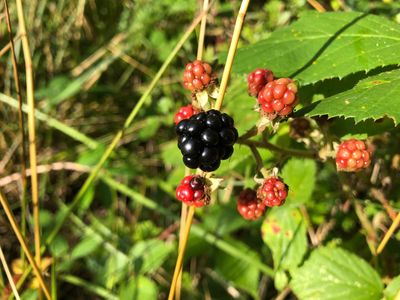
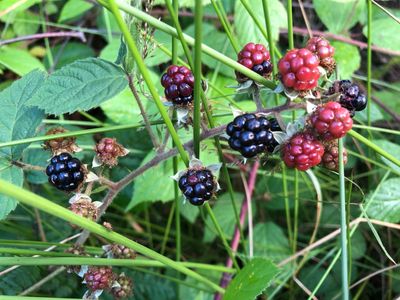
Blackberries – The King's Berry, thrive on woodland edges, hedgerows and sunny clearings. Pick only fully black fruits, as red berries are still unripe and can be quite tart.
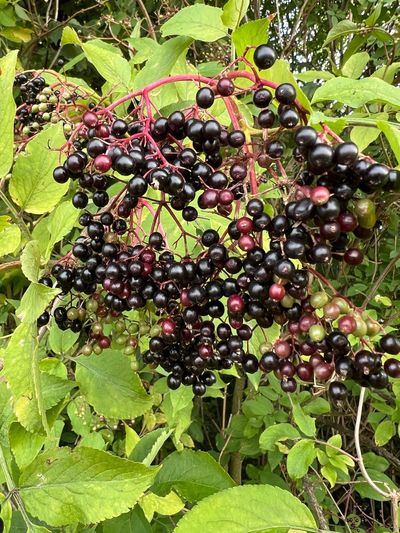
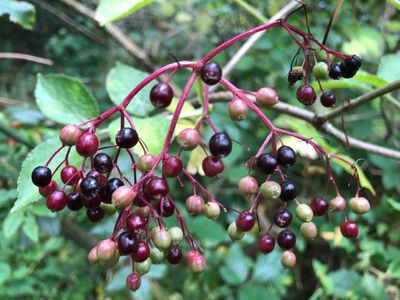
Elderberries – Nature's Port, can be found growing on elder trees along woodland margins, field boundaries, riverbanks and country lanes. Look for large clusters of deep purple-black berries hanging from the branches and harvest only fully ripe fruit, leaving any green or red berries behind.
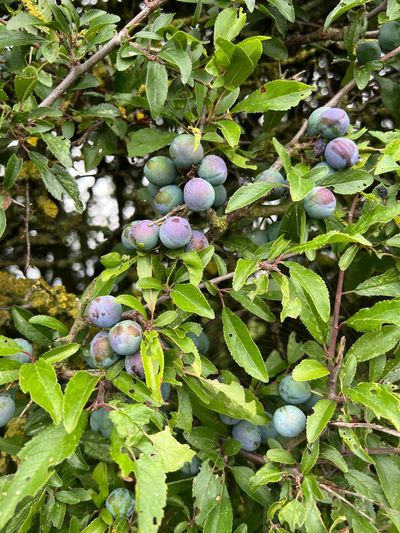
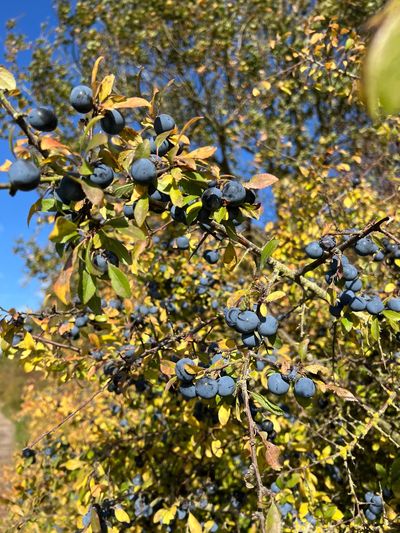
Sloes – The Hedgerow Classic, grow on blackthorn bushes, which are commonly found in ancient hedgerows, woodland edges and field boundaries. These small blue-black fruits ripen during late summer and autumn and are traditionally picked after the first frost, although many foragers now freeze them before use to achieve the same effect.
If you only make one thing this autumn, make blackberry wine.
If you make two, add sloe gin.
If you’re willing to wait a year for something truly special, make elderberry wine.
Together, these three drinks have sustained generations of British foragers and remain among the finest ways to turn a late-summer walk through the woods into something worth raising a glass to.
Blackberry Wine
A classic country wine that captures the flavour of late summer and improves beautifully with age.
Ingredients
2kg ripe blackberries
1.3kg granulated sugar
4.5 litres water
1 tsp citric acid (or juice of one lemon)
1 tsp yeast nutrient
1 sachet wine yeast
Method
Wash and lightly crush the blackberries in a large, sterilised fermentation bucket. Pour over freshly boiled water. The hot water helps extract more juice, colour and flavour from the fruit while reducing unwanted bacteria and wild yeasts that can interfere with fermentation.
Stir in the sugar until dissolved, then add the citric acid and yeast nutrient. Once the mixture has cooled to below 21°C, add the wine yeast.
Cover and leave to ferment for around five to seven days, stirring daily. Strain the liquid into a demijohn, fit an airlock and allow fermentation to continue for four to six weeks, or until activity ceases.
Rack the wine into a clean demijohn and leave to mature before bottling. While it can be enjoyed after several months, blackberry wine is at its best after at least a year of ageing and will often continue improving beyond that.
Sloe Gin
One of Britain's best-known homemade liqueurs, traditionally made from the fruits of the blackthorn.
Ingredients
500g ripe sloes
700ml gin
Sugar syrup, honey or caster sugar to taste
Method
Wash the sloes and prick each fruit with a clean needle or freeze them overnight to split the skins naturally.
Place the fruit in a large, sterilised jar and pour over the gin. Seal tightly and store in a cool, dark place, shaking occasionally during the first few weeks.
Many traditional recipes add sugar at the beginning, but allowing the sloes to infuse in the gin first gives a cleaner extraction of flavour and allows you to control the sweetness of the finished drink. It also avoids the risk of unwanted fermentation or spoilage during the infusion process.
Leave to infuse for at least three months, although many experienced foragers prefer to leave fruit liqueurs for up to a year for a deeper, richer flavour. In practical terms, that means making your sloe gin this autumn to enjoy next Christmas.
Strain through muslin or a fine sieve and sweeten to taste before bottling.
Don't discard the infused sloes after straining. They can be steeped in red wine to produce a rich fortified drink often compared to a fruity port.
Elderberry Wine
Rich, full-bodied and often regarded as one of the finest traditional British country wines.
Ingredients
2kg ripe elderberries (removed from stalks)
1.5kg granulated sugar
4.5 litres water
1 tsp citric acid (or juice of one lemon)
1 tsp yeast nutrient
1 sachet wine yeast
Method
Carefully strip the elderberries from their stalks and rinse thoroughly. Place the berries in a large pan, add the water and simmer gently for around 20 minutes, lightly crushing the fruit as it softens. Elderberries should always be cooked before use, as raw berries can cause illness if consumed.
Strain the liquid into a sterilised fermentation bucket and stir in the sugar until dissolved. Add the citric acid and yeast nutrient, then allow the mixture to cool to below 21°C before adding the wine yeast.
Cover and ferment for five to seven days before transferring to a demijohn fitted with an airlock. Leave to ferment for four to six weeks until fermentation has stopped.
Rack into a clean demijohn and leave to mature for at least a year. Elderberry wine is famous for rewarding patience and can continue developing exceptional depth and complexity for several years.
Ends
Editors notes
Founded with a mission to make woodland ownership accessible and enjoyable, Woodlands.co.uk offers private woodlands for sale across the UK. The company provides resources and guidance for new owners to explore creative ways of managing their woodlands for personal and community benefit. Whether for conservation, leisure, or environmental education, Woodlands.co.uk empowers individuals to steward and protect their woodlands for generations to come.