I'm a conservation scientist: 99% of Britain's wildflower meadows have disappeared – but your garden can help bring nature back
Published:
Read Time: 5 mins
An estimated 99% of Britain's wildflower meadows have disappeared over the last century, leaving pollinators and other wildlife with far fewer places to feed, shelter and thrive. But according to conservation scientist Dr Ana Attlee, co-founder of the original seed ball company, Seedball, reversing that decline doesn't just depend on large-scale conservation projects, it can start in our own gardens.
Collectively, the UK's gardens, balconies and outdoor spaces cover a larger area than all of the country's nature reserves combined, meaning even the smallest patch of outdoor space has the potential to become an important refuge for nature. With wildlife under increasing pressure, Dr Attlee is encouraging gardeners to make a few simple changes that can help create a nationwide network of habitats for bees, butterflies, birds and other species.
Here, Dr Attlee shares five simple ways anyone can make their outdoor space more wildlife friendly.
1. Offer a natural buffet
One of the biggest challenges facing wildlife is simply finding enough food.
Dr Attlee explains: "An estimated 99% of the UK's wildflower meadows have disappeared over the last century, while urban development has reduced front gardens, hedgerows and natural green spaces. As a result, many pollinators, birds and other wildlife have fewer places to forage.
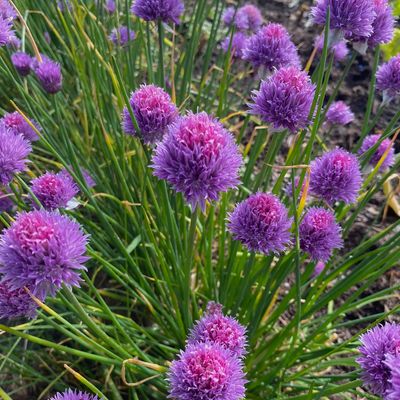
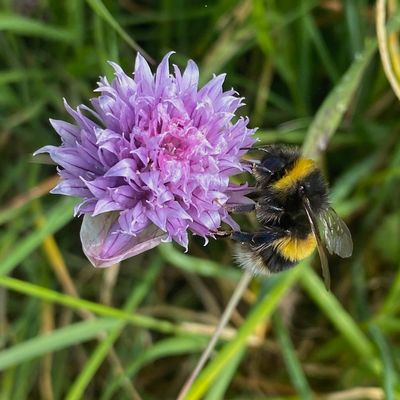
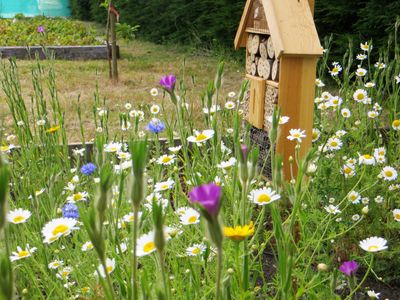
"The good news is that our gardens can help fill this gap. Planting wildflowers provides nectar and pollen for bees, butterflies and other beneficial insects throughout the season. Those insects, in turn, become an important food source for birds and small mammals, while many wildflowers naturally go on to produce seeds that birds can enjoy later in the year."
She adds that large gardens aren't essential, with pots, hanging baskets, window boxes and trugs planted with wildlife-friendly flowers all providing valuable feeding stations, making balconies and patios just as capable of supporting nature.
Dr Attlee also encourages gardeners not to be too quick to remove common wildflowers. "Some of the plants we rush to pull up are actually among the most valuable for wildlife. Dandelions, clover and daisies are packed with nectar and often flower when little else is available, making them an important early food source for bees and other pollinators. Leaving even a small patch can make a real difference."
2. Create cosy places to shelter
Food is only part of the picture. Wildlife also needs somewhere safe to rest, breed and shelter from predators and the weather.
"Rather than tidying every corner of your garden, consider leaving one area a little wilder," says Dr Attlee. "Piles of twigs, fallen leaves, logs and other natural garden debris create ideal hiding places for hedgehogs, frogs, toads and a host of beneficial insects.
"Simple log piles or stacks of branches can become miniature ecosystems in their own right, offering nesting sites for solitary bees, overwintering habitats for insects and shelter for small mammals. Sometimes what we see as untidy is exactly what wildlife sees as home."
She also points out that some of the most important wildlife lives out of sight. "Healthy gardens begin beneath our feet. Earthworms, beetles, fungi and billions of microorganisms keep soils healthy, recycle nutrients and create the conditions that plants and wildlife rely on. Leaving autumn leaves to naturally decompose or adding a small log pile helps support this hidden world."
3. Add water to welcome more wildlife
Fresh water is one of the simplest ways to attract a wider variety of species into a garden.
Dr Attlee recommends installing a wildlife pond where possible, explaining that it can quickly become a haven for frogs, dragonflies and insects. However, she stresses that even the smallest outdoor spaces can make a difference.
"A shallow container or plant pot transformed into a mini pond provides an accessible drinking spot for all creatures, while bird baths and shallow dishes of fresh water offer feathered friends essential hydration and somewhere to bathe," she says.
"If you do install a pond, always make sure there are gentle slopes, stones or ramps so that any visiting wildlife can climb out safely. Regularly topping up water during warmer weather can make a significant difference when natural water sources become scarce."
4. Give wildlife a dark night
One of the most overlooked ways to help wildlife is by reducing light pollution.
"Artificial light can disrupt the behaviour of moths, bats and many other nocturnal species," says Dr Attlee. "Simply switching off unnecessary outdoor lights or using motion sensors instead can make your garden much friendlier after dark. Wildlife needs darkness just as much as it needs food and shelter."
5. Don't try too hard
Perhaps the most surprising piece of advice, according to Dr Attlee, is not to overthink it.
"Wildlife rarely thrives in perfectly manicured gardens," she explains. "Short lawns, immaculate borders and constant tidying often remove exactly the features that many species depend on.
"Instead, allow part of your lawn to grow a little longer, leave seed heads standing over winter where possible, and resist the urge to clear away every leaf or fallen branch. Nature often responds best when we step back and let it do some of the work itself.
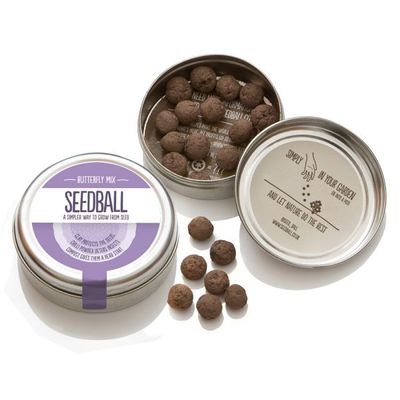
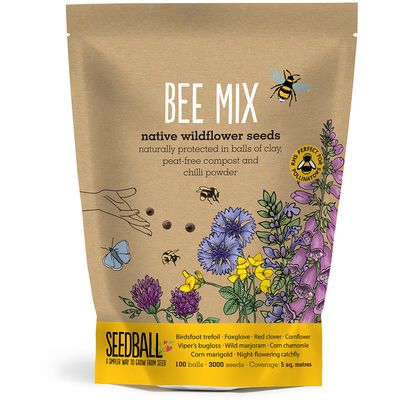
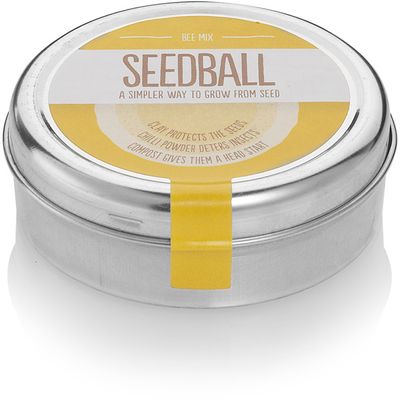
"Creating a wildlife-friendly space doesn't have to involve expensive landscaping or hours of maintenance. Sometimes it's as simple as scattering a few Seedballs, letting wildflowers flourish and giving nature the opportunity to move back in.
"Every flower planted, every log pile left undisturbed and every small water source added contributes to a growing network of habitats that can help support Britain's wildlife. No matter how big or small your outdoor space is, you have the opportunity to create a home that benefits both people and nature."
To explore Seedball’s wide range of wildflower products, visit www.seedball.co.uk
Ends
Editors notes
Seedball was founded by two conservation scientists wanting to boost biodiversity and help wildlife.
Seedball Ltd is an innovative organisation on a mission to help increase the abundance of British wildflowers and the wildlife that depends upon them.
Owned by Project Maya – a non-profit enterprise - Seedball manufactures wildflower seed balls using a unique innovation of wildflower seeds mixed with clay, peat-free compost and chilli powder to naturally protect seeds from predators. Its products are sold in over 500 stores in the UK, including Kew Gardens, The Woodland Trust and Blue Diamond Garden Centres, as well as online retailers such as Crocus and Marie Curie. Each year, Seedball also donates products to hundreds of schools and community groups to help support their nature projects.