Don’t Let Aphids Destroy the Garden This Spring: Easy, Eco-Friendly Ways to Keep Plants Thriving
Published:
Read Time: 4 mins
Spring has sprung, gardens are bursting into life and unfortunately, so are the aphids. These tiny sap-suckers – often known as greenfly or blackfly – may be small, but left unchecked, they can quickly turn a flourishing garden into a sticky, distorted mess.
The good news is you don’t need harsh chemicals to fight back. With a few simple, nature-friendly steps, gardeners can keep aphids in check and plants looking their best all season long.
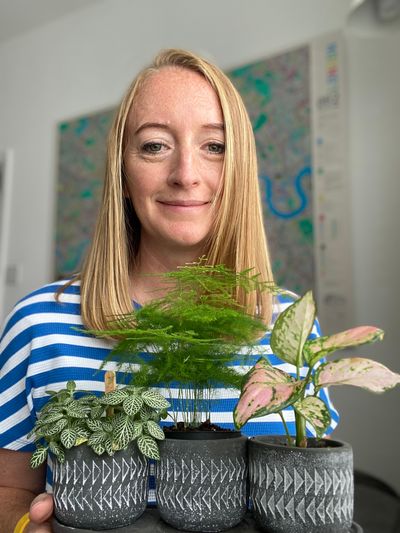
Here, Tessa Cobley, plant pest expert and owner of biological plant pest solution company, Ladybird Plantcare, shares her top tips on halting an aphid infestation:
What encourages aphids
Aphids thrive when conditions are calm, mild and dry – exactly the kind of weather many plants enjoy too. As plants put on soft, sappy new growth in spring and early summer, aphids see it as an open invitation. Without much wind or rain to knock them back, their populations can grow rapidly – sometimes seeming to appear overnight.
A lack of natural predators, such as ladybirds and lacewings, can also allow numbers to grow so having a diverse garden that is inviting to wildlife can help keep pest numbers down.
How to identify an aphid infestation
Aphids are usually easy to spot once you know what to look for. Keep an eye out for:
· Clusters of tiny insects on shoots, buds or leaf undersides
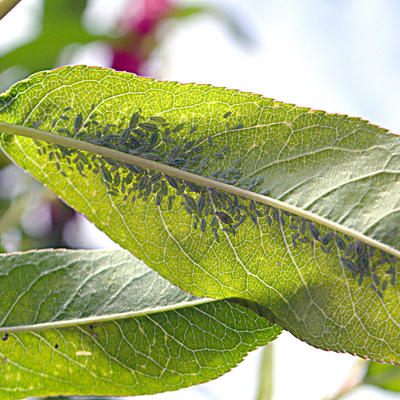
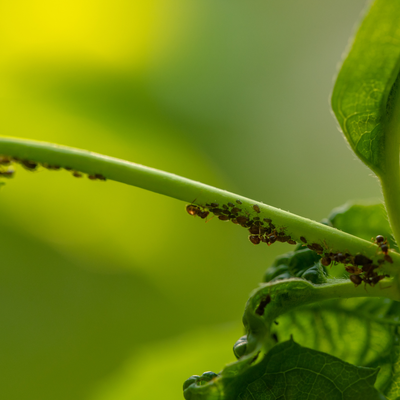
Aphids tend to gather in groups rather than appearing individually, so you’ll often spot dense clusters packed onto soft, new growth. They can be green, black, brown or even pink depending on the species, and are usually found around shoot tips, unopened buds and the undersides of leaves where they’re a little more sheltered. If you look closely, you may even see them slowly moving or packed tightly together feeding.
· Curled, distorted or misshapen leaves
As aphids feed on plant sap, they damage the soft tissues, which can cause leaves to curl, twist or become puckered. New growth is most affected, so you might notice shoots looking stunted or misshapen. On flowering plants, buds may fail to open properly or produce distorted blooms.
· Sticky residue (known as honeydew) on leaves or nearby surfaces
While feeding, aphids excrete a sugary liquid called honeydew. This can leave foliage feeling sticky to the touch and may also coat anything beneath the plant – such as lower leaves, garden furniture, patios or even cars parked nearby. It’s often one of the first noticeable signs before you spot the aphids themselves.
· Black sooty mould growing on that sticky coating
The honeydew creates the perfect surface for sooty mould to grow. This appears as a black, powdery or soot-like coating on leaves and stems. While it doesn’t directly damage the plant, it can block sunlight from reaching the leaf surface, affecting photosynthesis and overall plant health – not to mention spoiling the plant’s appearance.
· Increased ant activity around plants (they’re attracted to the honeydew)
If you see lots of ants crawling up and down a plant, it’s often a tell-tale sign of aphids nearby. Ants are attracted to the honeydew and will actually “farm” aphids to harvest it. In doing so, they protect aphids from natural predators like ladybirds, which can allow infestations to grow more quickly if left unchecked.
Regular checks, especially on new growth, will help you catch any issues early.
Work with nature, not against it
One of the simplest and most effective ways to prevent aphids is by encouraging their natural enemies. Ladybirds, lacewings and other beneficial insects are voracious aphid predators and can help keep populations under control.
Planting a mix of flowers to attract wildlife or introducing beneficial insects directly into the garden can make a big difference. A healthy, biodiverse garden is naturally more resilient to pest problems.
Easy fixes that really work
If aphids do appear, there’s no need to panic. For small outbreaks, a quick blast of water from the hose can dislodge them while pinching off heavily affected shoots can stop them spreading.
For more established infestations, nature lends a helping hand once again. Beneficial insects such as ladybirds and lacewings can be bought online and introduced directly to the problematic plant and actively feed on the aphids. Another effective ally for severe aphid problems is the aphid midge. The adults lay their eggs directly within aphid colonies, and once the larvae hatch, they begin feeding immediately – each one capable of consuming dozens of aphids a day, making them ideal for tackling heavier outbreaks.
Don’t forget about ants
If you spot ants crawling over plants, aphids are often close by. Ants are attracted to the honeydew aphids produce and will even protect them from predators like ladybirds and lacewings. Managing ant activity – for example, by using beneficial nematodes in nesting areas – can help break this cycle and allow natural predators to do their job.
Beneficial nematodes do not harm the ants, but disrupt their nests and encourage the ants to move elsewhere. Leaving behind the aphids who can then become lunch for hungry ladybirds, lacewings and wider wildlife!
A healthier garden, the natural way
With a little vigilance and a few eco-friendly techniques, aphids don’t have to spell disaster. By working with nature rather than against it, gardeners can protect their plants, support wildlife and enjoy a thriving garden throughout the season.
After all, spring should be about watching gardens grow – not letting pests take over.
Ends
Editors notes
With years of experience, Tessa Cobley is your go-to expert on plant pests. She offers valuable insights into identifying and managing infestations. Tessa believes that using biological pest control will eventually be the norm, we just need to let more people know about it. Tessa owns and runs Ladybird Plantcare which she has grown twenty-fold in the past 6 years.