Future Biogas supports landmark UK biodiversity monitoring programme
Published:
Read Time: 4 mins
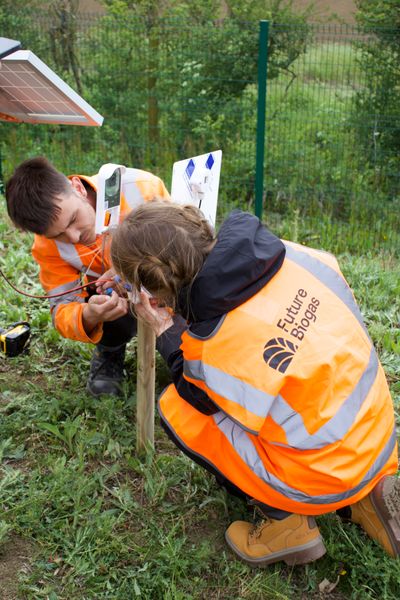
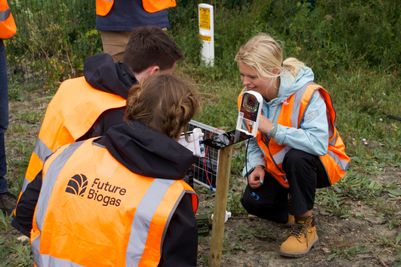
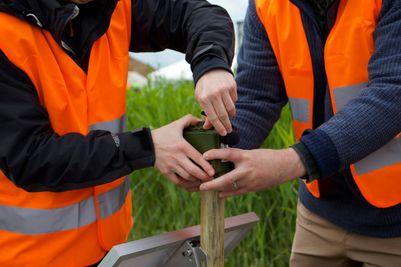
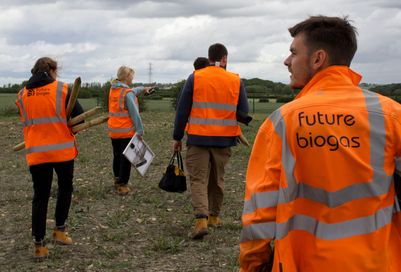
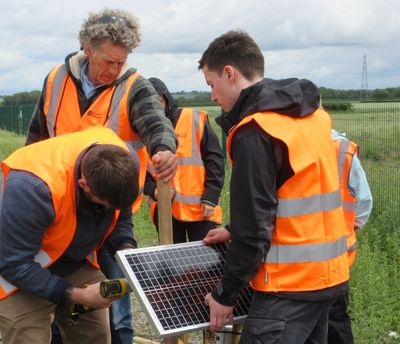
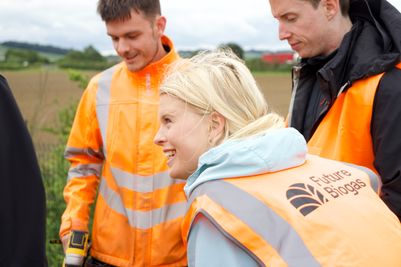
Future Biogas, one of the UK’s largest producers of biomethane, has today begun deploying advanced biodiversity monitoring equipment at its Moor Bioenergy (MBE) plant in Lincolnshire. The installation supports WildSense – a pioneering national programme designed to generate high-resolution biodiversity data across the UK.
Future Biogas is one of just 10 organisations selected to take part in a WildSense sensor trial, which is delivered by Wilder Sensing in collaboration with the UK Centre for Ecology & Hydrology (UKCEH).
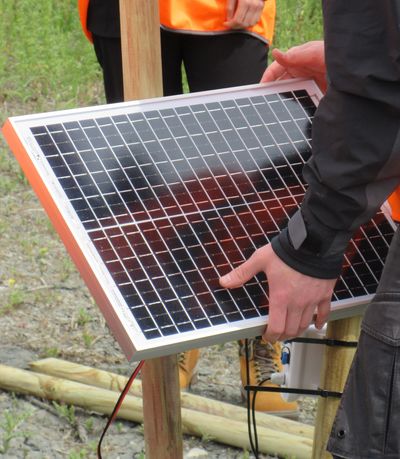
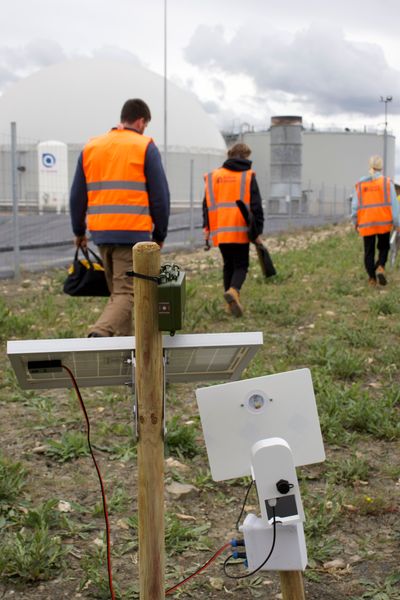
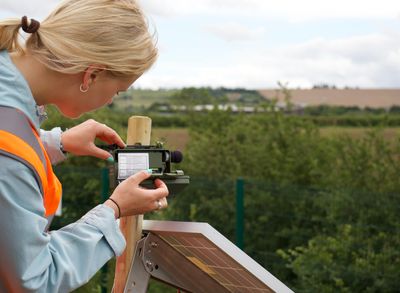
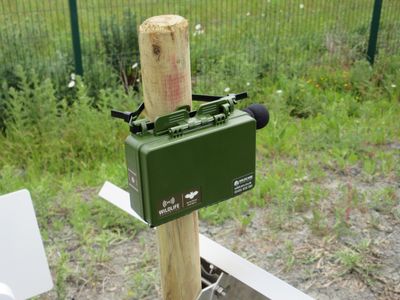
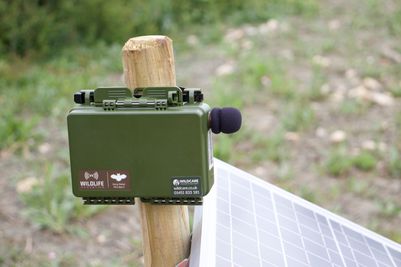
Three monitoring stations will operate at MBE until December 2026, building a detailed picture of species presence, activity patterns and nocturnal insect biomass across the site. Each captures bird, bat and insect activity with a combination of ultrasonic bioacoustic recording and automated imaging.
Establishing a baseline at Moor Bioenergy
Future Biogas proposed its Moor Bioenergy site for WildSense specifically because it is relatively new and therefore landscaping and biodiversity net gain (BNG) work is at an early stage. The monitoring data will establish an ecological baseline, providing independent evidence of how wildlife uses the site and how biodiversity develops alongside the plant’s operations over time.
Philipp Lukas, CEO of Future Biogas, said: “Our anaerobic digestion plants provide 100% renewable gas to decarbonise home and businesses. The digesters are fed on locally sourced energy crops, grown within a regenerative model designed to enhance soil health and support biodiversity across our communities. However, until now we’ve lacked independent, site-level ecological data to confirm the success – or otherwise – of our approach.
“WildSense will help us establish a biodiversity baseline at Moor Bioenergy and enable us track how wildlife responds as the site matures. We’re excited to test our biodiversity goals against the reality – and to use the data from WildSense to inform how we design and manage our future plants for the most positive environmental impact.”
Since October 2025, Future Biogas has invested in acoustic monitoring across three sites in Norfolk and Lincolnshire. This includes the installation of Wilder Sensing bird recorders and Agrisound pollinator monitors. The bird data is being shared with the British Trust for Ornithology, contributing to national conservation efforts.
The pollinator sensors, more recently installed at Grange Farm and Moor BioEnergy, will provide valuable baseline biodiversity data. They also offer an opportunity to compare an established wildflower-rich site such as Grange Farm with a newer, less established site like Moor BioEnergy. This will help demonstrate the influence that habitat creation and planting schemes can have on pollinator activity and biodiversity uplift over time.
Sasha Stark, the Environmental Social Governance Coordinator at Future Biogas said: “The sensors inspired initiatives such as “No Mow May” at Grange Farm Energy, where we are taking a hiatus on cutting the grass around the lagoon area to observe how allowing nature to take its course through rewilding can affect bumble bee activity. We are already observing measurable increases in bee activity and uplift values within this zone. We have also been comparing different wildflower mixes across the site. So far, the NF8 mix is currently showing the highest uplift value within our dataset. This mix includes 24 wildflower species such as Marsh Marigold (Caltha palustris), Soft Rush (Juncus effusus), Hard Rush (Juncus inflexus), Yellow Flag Iris (Iris pseudacorus), and Meadow Buttercup (Ranunculus acris) – all popular with native bees. These early insights are helping us better understand how habitat management decisions directly influence pollinator activity patterns and biodiversity outcomes across the site."
Pollinators are vital for food production and for several decades wild populations have been in decline. Findings from BeeWalk, the national bumblebee monitoring scheme run by The Bumblebee Conservation Trust, have revealed that 2024 was the worst year for bumblebees since records began. Across Great Britain, bumblebee numbers have declined by 22.5% compared to the 2010-2023 average.
Geoffrey Carss, CEO and Founder at Wilder Sensing, said: “By combining bioacoustics with automated insect imaging, WildSense will build a uniquely comprehensive biodiversity picture – from bat foraging patterns to nocturnal moth diversity – that simply wouldn’t be possible with traditional survey methods. In addition to its scientific value for conservationists, WildSense will provide organisations like Future Biogas with the evidence they need to understand and support the species using their land.”
Ends
Editors notes
About Future Biogas
Future Biogas is a UK leader in the development and operation of anaerobic digestion (AD) plants that produce clean, sustainable biomethane. By converting locally sourced homegrown energy crops into renewable gases, Future Biogas supports local farmers, a circular economy and the transition to a low-carbon future. With a focus on innovation, sustainability, and rural partnerships, Future Biogas enables organisations to reduce emissions, enhance energy security, and meet net-zero goals through reliable, scalable, and environmentally responsible biogas solutions that can displace fossil fuels today without the need to replace expensive equipment today.
Future Biogas operates 11 industrial-scale biogas plants in the UK. Biogas can either be used to generate green electricity or upgraded into biomethane and injected into the UK’s national gas network. Future Biogas is owned by 3i Infrastructure and RWE Energy Transition Investments.
About Wilder Sensing
Wilder Sensing is a remote biodiversity monitoring company that combines acoustic sensing and image analysis, powered by an AI platform for automated species detection and data analysis. Where traditional ecological surveys offer a single snapshot in time, Wilder Sensing deploys continuous monitoring networks that generate longitudinal, audit-ready datasets, giving landowners, businesses, and conservation organisations the evidence they need to demonstrate measurable impact on nature.
Wilder Sensing collects data across multiple taxa including birds, bats, and moths, and its outputs support biodiversity net gain obligations, environmental impact assessments, and corporate nature reporting frameworks including TNFD and CSRD. Its clients span regenerative agriculture, renewable energy, habitat banking, extractive industries, and NGOs.
www.wilder-sensing.com