Colour-rich, heat-resilient plants to keep gardens bright and blooming
Published:
Read Time: 5 mins
After weeks of sunshine and soaring temperatures, many gardens may be beginning to lose their summer sparkle. While lawns may have browned and more delicate flowers started to fade, there are plenty of plants that can continue to put on a spectacular display as British summers become increasingly prone to periods of extreme heat and prolonged dry weather.
Whether you're refreshing borders, brightening up patio pots or adding new interest to flower beds, choosing plants that are both beautiful and resilient is the key to keeping your garden looking its best throughout the season.
Charlotte McGrattan, hardy nursery stock buyer at Hillier Garden Centres, discusses the importance of careful planting choices and why heat-tolerant, drought-resistant planting should be a big consideration with rising temperatures and climate change.
“As our climate changes with periods of extreme heat and prolonged dry weather becoming more common, the plants we choose for our gardens are increasingly important. By selecting plants that are naturally better equipped to cope with heat and drought, gardeners can create more resilient outdoor spaces without sacrificing colour or interest. The key is choosing the right plant for the right place and remembering that even drought-tolerant plants need regular watering while they establish. Making considered planting choices now can help create beautiful, vibrant gardens that are better prepared for the hotter, drier summers of the future”.
“Here are my top five plant picks that are both climate-resilient and perfect for adding instant bursts of colour to the summer garden.”
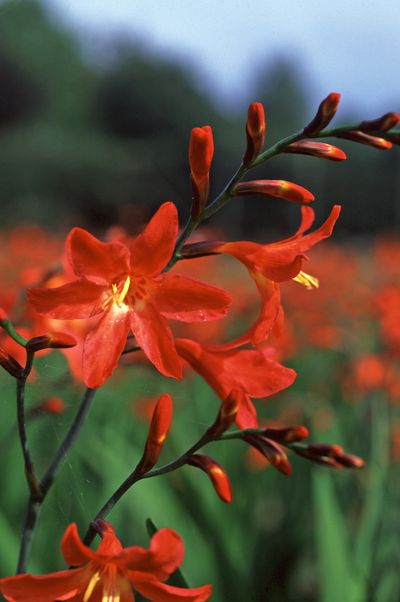
Crocosmia
“If you're looking to add movement and bold colour, crocosmia is hard to beat. Agile, arching stems are lined with trumpet-shaped flowers in fiery shades of orange, scarlet and yellow, while the upright, sword-like foliage adds structure even before the flowers appear. Their vibrant blooms are also a favourite with bees and other pollinators.
“Native to the grasslands of South Africa, crocosmias are well adapted to hot, sunny conditions. Their underground corms can store moisture, helping plants cope during dry spells. Water deeply during prolonged hot weather, apply a layer of mulch to retain moisture, and keep an eye out for pests such as spider mites”.
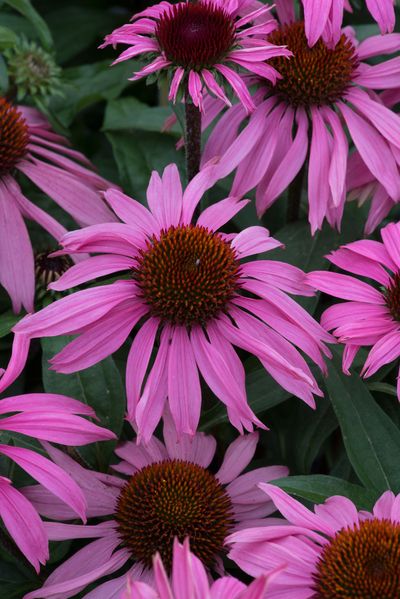
Echinacea
“Echinacea, also known as coneflower, is loved for its striking blooms and impressive resilience. Large central cones are surrounded by petals in shades of purple, pink, white, coral and orange, bringing long-lasting colour to borders while also making excellent cut flowers. Once the blooms fade, the seed heads continue to add seasonal interest and provide food for birds through autumn.
“Originally from the North American prairies, echinaceas thrive in full sun and offer good drought tolerance once they are established. Their deep roots allow them to access moisture below the soil, making them well suited to long, dry summers. Water deeply but infrequently and add mulch to help conserve moisture during heatwaves”.
Rudbeckia
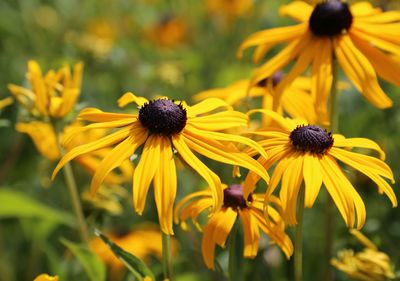
“Few plants brighten a border quite like rudbeckia. Its cheerful, daisy-like flowers feature golden-yellow petals surrounding rich chocolate-brown centres, creating a warm, late-summer display that flowers well into autumn.
“These hardy perennials are built for sunny gardens. Their deep roots help them find moisture during dry spells, while soft hairy leaves reduce water loss. Water early in the morning or later in the evening, aiming at the base of the plant to keep foliage healthy and blooms looking their best”.
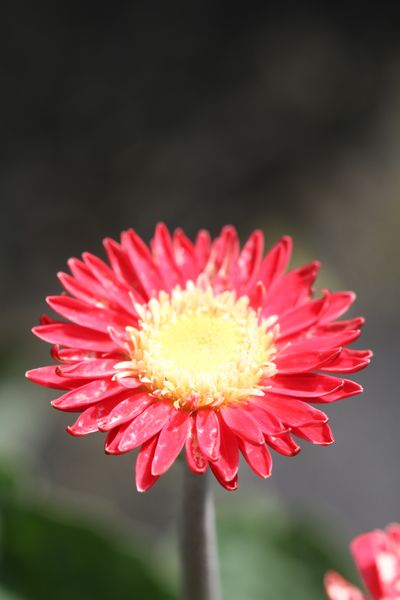
Gerbera Garvinea
“Unlike traditional gerberas, the Garvinea series has been bred for outdoor growing, producing masses of colourful flowers from spring through to late summer and often into autumn. Available in bright reds, oranges, yellows, pinks and whites, they're perfect for adding bold colour to borders and containers.
“Garvinea gerberas cope well with fluctuating temperatures and continue flowering throughout Britain's summer heat. Water regularly where possible to keep the soil moist but well-drained, and deadhead spent blooms to encourage a constant flush of new flowers”.
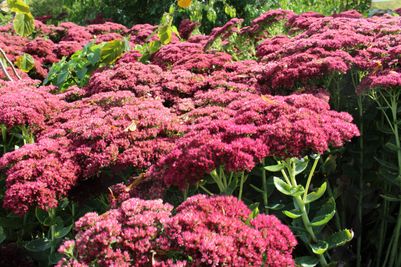
Sedum
“Sedums bring a different texture to the garden with their fleshy blue-green leaves and clusters of tiny star-shaped flowers in shades of pink, red and creamy white. As the season progresses, the flower heads deepen in colour, providing interest well into the autumn.
“Their succulent leaves store water, making sedums one of the most drought-tolerant plants for sunny gardens. Once established, they need very little watering and are ideal for borders, gravel gardens and containers where low-maintenance colour is needed”.
By combining these resilient plants, gardeners can create colourful borders that continue to thrive through the height of summer. Not only do they provide long-lasting displays with minimal maintenance, but many also attract bees and other pollinators, helping create a garden that's as beneficial for wildlife as it is beautiful.
For more seasonal advice from Hillier, or to browse its online plant selection, visit: www.hillier.co.uk
Ends
Editors notes
“To inspire the creation of green living spaces for now and the future” Hillier is one of the leading names in the horticultural industry, with 160 years of growing and retail experience.
Founded in 1864 by Edwin Hillier, the company remains a family-run nursery with the fifth generation now actively involved in the family business as it continues to grow.
Not only is Hillier the largest producer of semi-mature trees in Europe and grower of over one million plants at its Hampshire nursery, but it also employs over 750 staff across its nursery, amenity trees and 22 garden centre divisions and is a flourishing multi-million pound company. It proudly holds the world record for the most consecutive gold medals awards at the world-famous RHS Chelsea Flower Show, with 74 wins.
As one of the leading growers in the UK, Hillier is involved in many peat-free initiatives, including the RHS Peat-Free Fellowship, the largest peat-free collaborative research project globally. The company was amongst the first nurseries to become 100% peat-free across both its production nursery and retail garden centres, and all Hillier plants are grown in peat-free compost.
Recent successes for the company include the launch of its online shop, the substantial redevelopment of Hillier Garden Centre Newbury and the acquisition of the Rosebourne Garden Centre Group in November 2022, as well as sponsorship of BBC Gardeners’ World Live and BBC Gardeners’ World Spring Fair, and the incredibly popular free ‘Hillier Gardening Club’ loyalty program which now has over half a million members.
Renowned for being a leading breeder of plants in the UK at its 100% peat-free nursery in Hampshire, each year Hillier introduces amazing new varieties. Many of these have become essentials in British gardens and the company continues with the tradition of innovation and the introduction of new garden plants in the present day.