Commentary: Ricardo Report on the health and economic impacts of domestic wood burning
Published:
Read Time: 2 mins
“The recommendation in the recent Ricardo report to reduce the use of solid fuel burners is not realistic, practical advice. We need workable solutions, not blanket bans.
“Removing secondary heating options risks imposing a solution that feels disconnected from everyday realities. The UK’s housing stock is among the oldest and most varied in Europe with millions of homes off the gas grid, particularly in rural areas. Many properties are hard to heat sufficiently with alternatives.
“For these off-grid, rural households, modern solid fuel appliances that are fuelled using high-quality fuel and are maintained by trained professionals remain an important and safe part of the heating mix. It is vital that we consider the practical implications behind any attempts to continue improving the UK’s air quality.
“Many homeowners have also invested significant amounts of money in modern, efficient wood-burning stoves as a supplement to their primary heating system – often due to rising energy costs, which remain out of their control. These are not the old, inefficient open fires of decades past; they are contemporary appliances, properly installed and maintained, burning quality fuel in compliance with current regulations. These modern stoves, burning legal fuels, only account for less than 0.3% of the UK’s total PM2.5 emissions.
“The government have said they do not intend to ban domestic burning. If current regulations aren’t being effectively communicated or supported, this suggests the priority should be education, awareness, and better implementation of existing rules around responsible burning. This can be achieved through collaborative work with industry experts who understand the technology and the households using it.
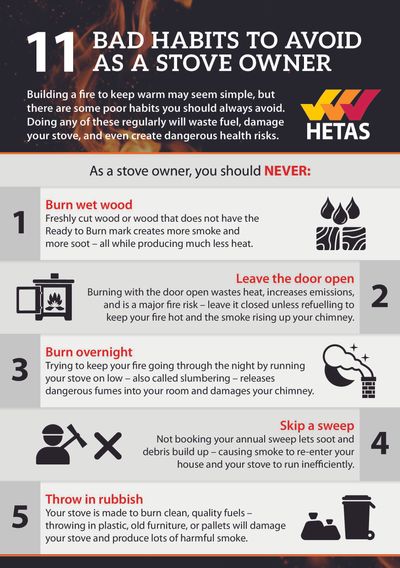
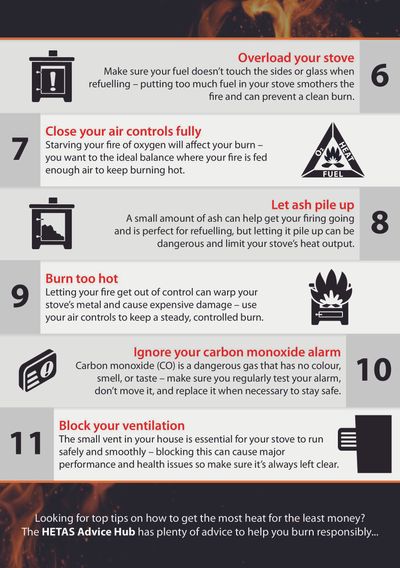
“As research from Kantar and The National Atmospheric Emissions Inventory (NAEI) show, the majority of domestic combustion emissions are caused by poor burning habits, where users are burning unseasoned wood on old, inefficient appliances, not modern appliances burning high quality fuel.
“Jumping straight into a blanket ban simply introduces new, wider restrictions that would be even more difficult to enforce and monitor. This risks making households feel imposed upon, creating an unenforceable policy that alienates the very households it aims to help.
“Instead, education and advice must come first. By focusing on practical, informed solutions, we can continue to improve air quality without leaving households behind, such as:
- Expanded smoke control areas which have clear public guidance and support, enabling them to be effective.
- Independent certification of appliances or fuels, so households know what’s safe, legal, and effective.
- Compliant, safe installation and maintenance completed by trained professionals, ensuring every stove is safe, efficient, and compliant.
- Education-first enforcement and awareness campaigns, prioritising advice and improvement.
- Expert-led, aligned advice on burning practices so interventions across the UK – whether they come from councils, local professionals, or government – is actionable and effective.
Ends
Editors notes
HETAS is an independent not-for-profit organisation promoting cleaner and safer choices to trade, retailers, and consumers, for the use of biomass and other solid fuels, appliances and associated technologies.
Working with local and national government, industry experts and innovators, HETAS provides expert advice, training and clear evidence-based information to businesses, consumers and regulators. HETAS prides itself on investing surplus funds into business areas that directly contribute to safely reducing particulate and carbon emissions for the benefit of the people and the environment.
For more information on HETAS, visit hetas.co.uk.