Don’t Bin Autumn: Five Ways to Put Fallen Leaves to Good Use
Published:
Read Time: 4 mins
As autumn leaves begin to cover Britain’s gardens, paths and lawns, experts at woodlands.co.uk are urging gardeners to think twice before bagging them up and throwing them away.
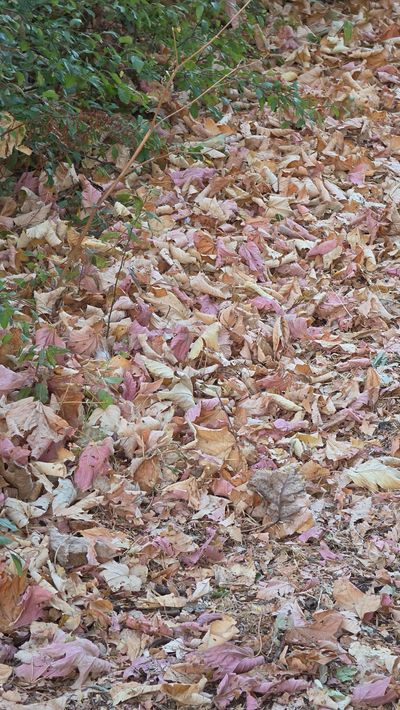
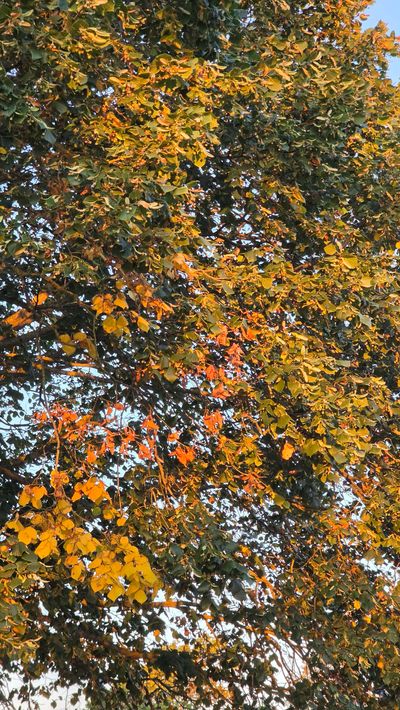
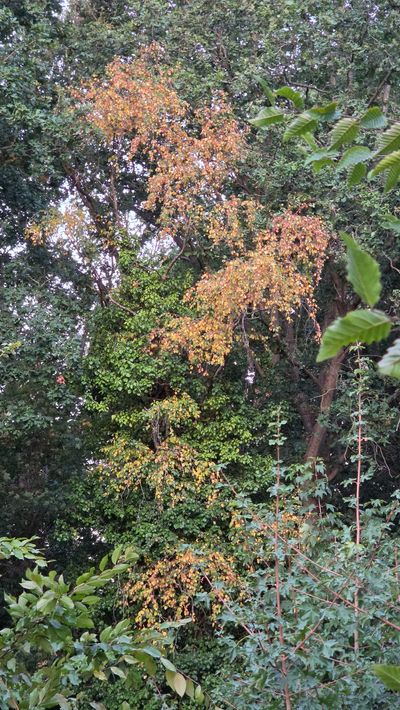
Every autumn, nature’s biggest recycling operation gets underway and millions of tonnes of organic leaf debris are fed back into the environmental ecosystem. Yet when leaves change from green to spectacular shades of yellow, orange and red and fall to the ground, there is a temptation among many UK gardeners to immediately rake, blow, bag and remove them.
Yet take a walk through any deciduous woodland and you’ll see a rather different approach to tidying up. Fungi, bacteria and a remarkable collection of small creatures gradually break down leaves where they fall or are blown by the wind, returning organic matter to the soil and creating habitat and food for wildlife along the way.
Richard Scholfield at Woodlands.co.uk says gardeners can borrow a few tricks from the woodland floor this autumn. Rather than trying to remove every last leaf, here are four ways to make better environmentally friendly use of them.
1. Create a wildlife corner
You don’t have to let leaves cover the entire garden. Instead, rake some into a quiet corner, beneath a hedge or around established shrubs and leave them undisturbed.
Decaying vegetation supports worms, woodlice, beetles and numerous other invertebrates, which in turn provide food for birds, hedgehogs, frogs and toads. A few twigs or small logs added to the pile can create even more nooks and crannies for wildlife.
The result may look slightly less manicured, but underneath there will be a miniature ecosystem getting on with its business.
2. Make your own leaf mould
If you have lots of leaves, turn them into leaf mould. This rich, crumbly material can be used as both a mulch and soil conditioner.
It is also wonderfully low-tech. Gather damp leaves into a simple wire-mesh cage or put them into old compost or bin bags with holes punched in them. Keep the leaves damp and then leave nature to do the work.
Unlike a conventional compost heap, fungi break down fallen leaves in a slow, cool process. After a year or two, what started as a pile of autumn leaves can become dark, earthy leaf mould ready to go back onto the garden.
3. Let leaves protect your plants
Instead of bagging leaves collected from lawns and paths, redistribute some beneath trees, shrubs and established plants.
A thick layer of organic material over the soil helps retain moisture, suppress weeds and protect the soil surface, which, with increasingly warm and dry summers, is highly beneficial to native trees and shrubs.
Just like our little wildlife corners, worms and other organisms gradually decompose the leaves into the ground, giving you plenty of room to redistribute some of next seasons’ leaf fall.
4. Know where leaves shouldn’t stay
Leaving leaves for nature doesn’t mean abandoning the rake or blower completely.
Thick layers should be removed from lawns where they can block light and damage the grass, while wet leaves on paths, decking and steps can become slippery.
Large quantities should also be removed from ponds before they sink and decompose. The trick is not to throw those leaves away, but to move them somewhere they can be useful.
So this autumn, rather than seeing fallen leaves as another garden job waiting to be tackled, think of them as a free natural resource.
After all, woodlands have been recycling their autumn leaves rather successfully for millions of years. Perhaps the best thing gardeners can do is occasionally resist the urge to improve on the system.
Five autumn leaf myths revealed
“I should rake up every fallen leaf.”
Clear lawns, paths and ponds where necessary, but leaves beneath hedges, trees and shrubs can provide valuable habitat and gradually return organic matter to the soil.
“Fallen leaves are just garden waste.”
Actually they are a free natural resource. Use them as mulch, add them to compost or turn them into leaf mould.
“Leaf mould is just another name for compost.”
Not quite. Leaf mould is created mainly through slow fungal decomposition and can take a year or two to mature.
“A tidy garden is better for wildlife.”
Quite the opposite can be true. Leaf litter provides shelter for invertebrates and helps support a wider food chain including birds, frogs, toads and hedgehogs.
“Burning leaves is the easiest way to get rid of them.”
Easy yes, but it wastes useful organic material and releases the stored carbon straight back into the atmosphere. Let nature do the recycling .
Ends
Editors notes
Founded with a mission to make woodland ownership accessible and enjoyable, Woodlands.co.uk offers private woodlands for sale across the UK. The company provides resources and guidance for new owners to explore creative ways of managing their woodlands for personal and community benefit. Whether for conservation, leisure, or environmental education, Woodlands.co.uk empowers individuals to steward and protect their woodlands for generations to come.