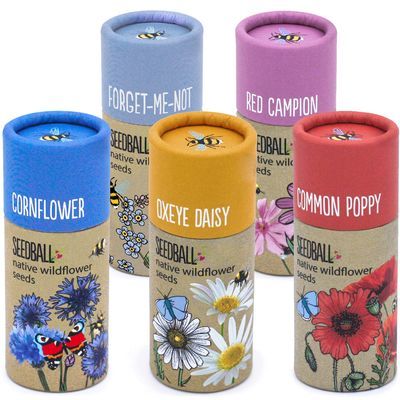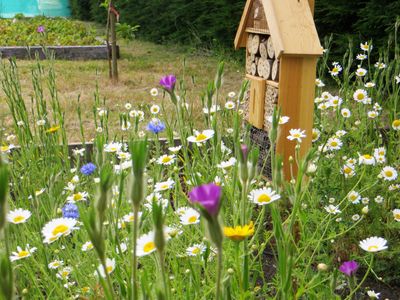
Why autumn is the best time to scatter Seedballs (and let nature do the hard work)
Published:
Read Time: 3 mins
Most of us think of spring as planting season, but wildflowers have other ideas.
According to wildflower experts Seedball, autumn is the moment nature has been waiting for. It's when wildflowers naturally release their seeds, ready to rest through winter before bursting into life in spring. Scatter Seedballs now and you'll be working with nature, not against it.
Dr Emily Attlee, co-founder of Seedball, explains: "If there's one gardening secret we'd love more people to know, it's this: autumn is the magic season for wildflowers. Scatter Seedballs now and nature does most of the hard work over winter, rewarding you with earlier flowers and a garden buzzing with wildlife next spring."
Follow nature's lead
In the wild, native flowers don't wait until spring to sow themselves. They drop their seeds in late summer and autumn, where they spend winter safely tucked away until conditions are right to grow.
Seedballs are designed to mimic that natural cycle. Their clay coating protects seeds from birds and insects while allowing rain, frost and fluctuating winter temperatures to gradually prepare them for germination. Many native wildflowers benefit from this natural cold spell, known as cold stratification, which helps trigger stronger germination in spring.
More flowers, less watering
Autumn also makes life easier for gardeners.
The soil is still warm from summer, but cooler temperatures and more reliable rainfall create ideal growing conditions. Instead of spending weeks watering freshly sown seeds through dry spells, autumn showers do much of the job for you.
Seedballs don't need digging in or carefully planting either - simply scatter them onto soil or compost in a sunny spot and let nature take over.
Give pollinators a head start next spring
Autumn-sown wildflowers often flower earlier than those scattered in spring, which means nectar and pollen are available sooner for emerging bees, butterflies and other pollinators after winter.
Species such as red clover, bird's-foot trefoil and forget-me-nots can provide valuable early-season food when insects need it most, helping fill the hungry gap between winter and peak flowering season.
A better chance to thrive
There's another bonus to scattering in autumn: less competition.
As annual weeds die back and perennial weeds become dormant over winter, young wildflowers have fewer plants competing for light, water and nutrients when they begin growing in spring. That early head start also helps plants establish stronger root systems before summer arrives, making them more resilient during warmer, drier weather.
Scatter now for a wilder spring
The sweet spot for scattering wildflower Seedballs is from late August through October, before the first hard frosts arrive. Whether you're creating a mini meadow, filling a patch of bare soil, or adding colour to pots and window boxes, autumn is one of the easiest and most effective times to get started.
And if you need an excuse to get outside this weekend, Seedball is currently offering 50% off its Create Your Own Meadow 250 and 500 Seedball bulk bags, making autumn the perfect time to create a bigger patch for bees, butterflies and other wildlife.
Wrap up warm, grab a handful of Seedballs and scatter away. Come spring, your garden - and the wildlife that depends on it - will thank you.
Ends
Editors notes
Seedball was founded by two conservation scientists wanting to boost biodiversity and help wildlife.
Seedball Ltd is an innovative organisation on a mission to help increase the abundance of British wildflowers and the wildlife that depends upon them.
Owned by Project Maya – a non-profit enterprise - Seedball manufactures wildflower seed balls using a unique innovation of wildflower seeds mixed with clay, peat-free compost and chilli powder to naturally protect seeds from predators. Its products are sold in over 500 stores in the UK, including Kew Gardens, The Woodland Trust and Blue Diamond Garden Centres, as well as online retailers such as Crocus and Marie Curie. Each year, Seedball also donates products to hundreds of schools and community groups to help support their nature projects.