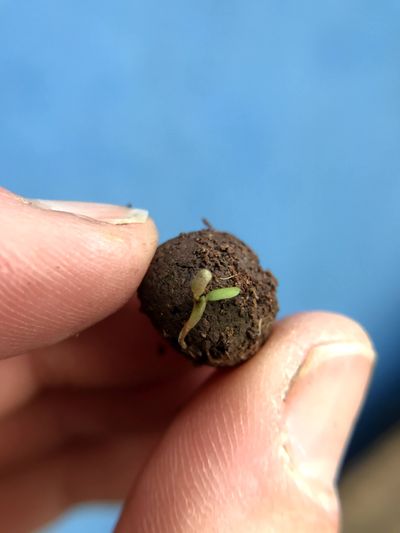
Support the birds naturally this summer with a wildlife friendly garden
Published:
Read Time: 3 mins
Following recent guidance from the RSPB advising a pause on feeding seeds and peanuts from May, many bird lovers may be wondering how best to support their feathered visitors over the summer months.
The good news is there’s still plenty you can do-and it’s simpler (and more rewarding) than you might think. Here, Dr Emily Attlee, conservation scientist and co-founder of Seedball, shares her top tips for creating a self-sufficient garden that birds will love all season long.
1. Grow a garden birds can forage from
Birds are natural foragers. In fact, they tend to rely on feeders only when natural food is scarce. During the warmer months, they much prefer to snack on what they can find themselves like insects, seeds and berries.
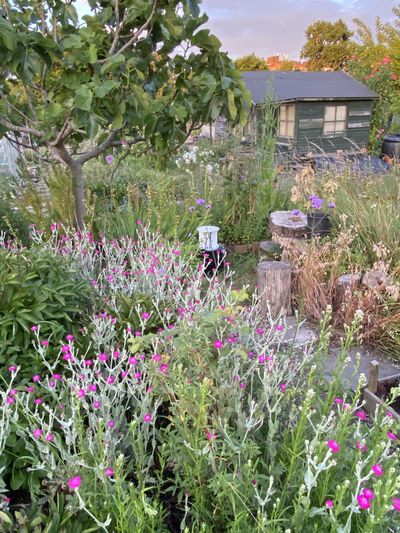
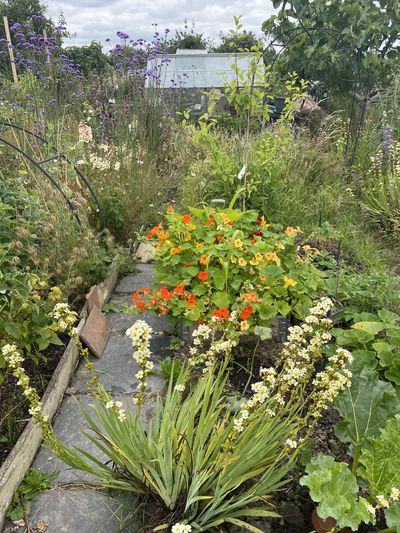
That means one of the best ways to help is simply by choosing the right plants. A mix of insect-luring wildflowers and seed-producing plants can turn your garden into a natural buffet for birds, while also supporting bees, butterflies and other beneficial insects.
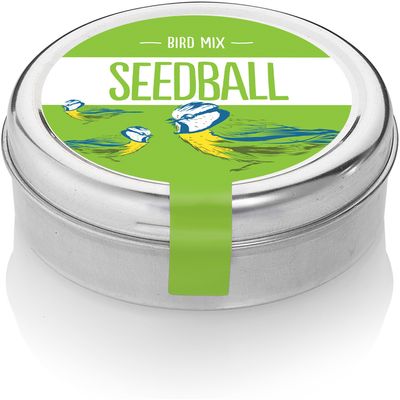
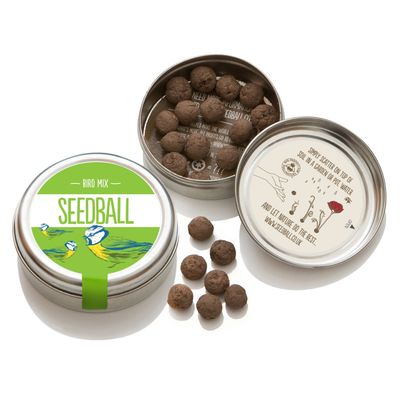
Seedball’s Bird Mix tin is designed with this in mind, containing a blend of wildflowers that birds return to again and again, including:
- Poppy: Bright, bold and instantly recognisable, poppies don’t just look beautiful-they’re packed with tiny seeds once the petals fall. Finches especially love them, making these flowers a long-lasting treat.
- Greater Knapweed: A favourite with pollinators in summer, this thistle-like plant keeps on giving into autumn, when its seed heads become a go-to snack.
- Wild Carrot: Also known as Queen Anne’s Lace, this delicate flower is brilliant for attracting insects, perfect for birds like robins and blackbirds that rely on them for food. Its dried seed heads also add lovely texture later in the season.
- Tufted Vetch: With its trailing purple blooms, this plant adds colour while producing protein-rich seeds-essentially a natural trail mix for birds.
2. Create a simple hydration station
Fresh water is just as important as food, especially during warmer weather.
The RSPB recommends providing clean, fresh water daily and giving bird baths a thorough clean at least once a week to help prevent the spread of disease.
The good news is you don’t need anything fancy. A shallow dish, plant saucer or even an old pot (without drainage holes) can work perfectly.
To make it bird-friendly:
- Add pebbles or stones so birds and insects have a safe place to perch
- Keep some surface above the waterline for smaller feathered friends
- Place it in a cool, shaded spot where birds feel safe
It’s a small addition that can make a big difference-not just for birds, but for pollinators too. Just make sure you clean it out regularly and top it up with fresh water each morning to minimise the risk of disease.
3. Give birds somewhere to rest and nest
Food and water are vital, but shelter is just as important. Modern gardens can often be a bit too neat for wildlife, with fewer places for birds to nest and hide. If you’re lucky enough to have hedges, shrubs or trees, try to leave them as undisturbed as possible during the breeding season.
If you do need to tidy things up, aim to prune before March or after September. This helps avoid disturbing nesting birds - something that’s not only harmful, but also illegal if nests are active.
If you prefer a more structured garden, a bird box is a great alternative. Just remember to clean it out at the end of the nesting season so it’s ready for new arrivals next year.
A natural way forward
While the recent guidance may feel like a setback, it’s actually an opportunity to support birds in a more natural, sustainable way. By planting thoughtfully, providing fresh water and creating safe spaces, your garden can become a thriving habitat-one that supports birds not just for a season, but all year round.
For more tips on supporting garden wildlife, and to explore Seedball’s range of wildflower products, visit www.seedball.co.uk
Ends
Editors notes
Seedball was founded by two conservation scientists wanting to boost biodiversity and help wildlife.
Seedball Ltd is an innovative organisation on a mission to help increase the abundance of British wildflowers and the wildlife that depends upon them.
Owned by Project Maya – a non-profit enterprise - Seedball manufactures wildflower seed balls using a unique innovation of wildflower seeds mixed with clay, peat-free compost and chilli powder to naturally protect seeds from predators. Its products are sold in over 500 stores in the UK, including Kew Gardens, The Woodland Trust and Blue Diamond Garden Centres, as well as online retailers such as Crocus and Marie Curie. Each year, Seedball also donates products to hundreds of schools and community groups to help support their nature projects.