How Wildflowers Can Help Pollinators Through Winter
Published:
Read Time: 3 mins
From helping pollinators prepare for winter to providing an early source of food in spring, wildflowers can play an important role in supporting bees, butterflies and other insects throughout the colder months, according to rewilding experts at Seedball.
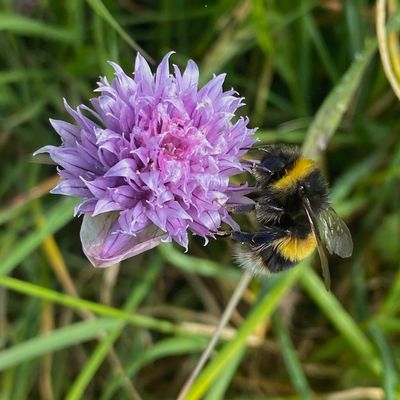
When we think about wildflowers and pollinators, it’s easy to picture a summer garden buzzing with bees and butterflies. But wildflowers can play an important role beyond the peak flowering season, helping to provide food for pollinators at different points throughout the year.
According to Seedball co-founder Dr Emily Attlee, creating areas of wildflowers is one simple way gardeners can help support pollinators as the seasons change.
Supporting pollinators as winter approaches
As autumn arrives, pollinators are preparing for the colder months, with different species responding to falling temperatures in different ways. Having flowering plants available later in the year can provide an important source of nectar and pollen for insects that remain active into autumn.
Wildflowers can therefore form an important part of a pollinator-friendly garden, helping to extend the availability of food beyond the traditional summer flowering season.
A valuable food source when spring arrives
The importance of wildflowers continues into spring, when pollinators begin to become active again and need food sources to replenish their energy.
Early-flowering wildflowers such as red clover, bird’s-foot trefoil and forget-me-nots can provide nectar and pollen early in the season, helping to bridge the gap before many of the garden’s summer plants begin flowering.
“Pollinators need access to food throughout the year, not just during the height of summer,” says Dr Emily Attlee, co-founder of Seedball. “Creating a good mix of wildflowers can help provide nectar and pollen at different times, which is particularly valuable during the periods when fewer plants are in flower.”
Think about a succession of wildflowers
Rather than choosing wildflowers simply for their summer colour, Seedball recommends thinking about how different species can provide food at different times.
A garden with a succession of flowering plants can offer a more consistent source of nectar and pollen, helping pollinators as they move through the seasons. Species such as red clover, bird’s-foot trefoil and forget-me-nots can all contribute to this, while a wider mix of wildflowers can extend the period over which food is available.
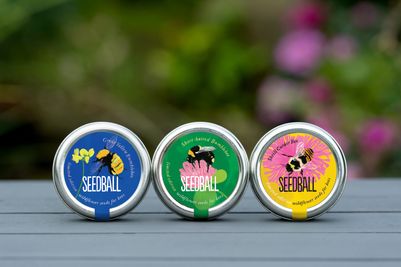
This is also where even a small patch of wildflowers can make a difference. Seedballs make it easy to introduce wildflowers into areas of the garden that might otherwise be overlooked, from borders and beds to pots and less productive patches of ground.
Give next year’s wildflowers a head start
For gardeners wanting to create a source of food for pollinators next year, autumn is a useful time to get wildflower seedballs into the ground. The seeds can lie dormant through the colder months before germinating when conditions become suitable in spring.
So, rather than thinking of wildflowers as something that simply brings colour to the summer garden, consider the role they can play throughout the seasons. By creating space for wildflowers, gardeners can help provide pollinators with a more consistent source of food - including at those important points around winter and early spring.
Ends
Editors notes
Seedball was founded by two conservation scientists wanting to boost biodiversity and help wildlife.
Seedball Ltd is an innovative organisation on a mission to help increase the abundance of British wildflowers and the wildlife that depends upon them.
Owned by Project Maya – a non-profit enterprise - Seedball manufactures wildflower seed balls using a unique innovation of wildflower seeds mixed with clay, peat-free compost and chilli powder to naturally protect seeds from predators. Its products are sold in over 500 stores in the UK, including Kew Gardens, The Woodland Trust and Blue Diamond Garden Centres, as well as online retailers such as Crocus and Marie Curie. Each year, Seedball also donates products to hundreds of schools and community groups to help support their nature projects.