The slug problem starts now - not next spring
Published:
Read Time: 3 mins
September and October are when slugs quietly lay the foundations for next year's infestations. Here's why late summer is one of the smartest times to tackle them
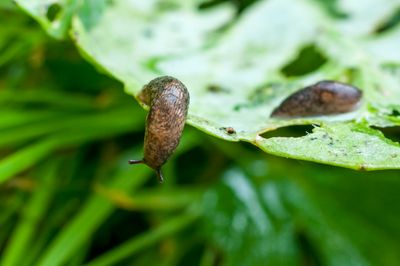
If you've noticed fewer slugs munching through your borders recently, don't assume they've disappeared. In many UK gardens, September and October are when slugs become busy beneath the soil surface, feeding, sheltering and laying eggs that will overwinter before hatching in spring.
It's a part of the slug lifecycle that often goes unnoticed, but it's also one of the biggest opportunities gardeners have to get ahead of next year's damage.
"Most people think of slugs as a spring problem because that's when they see the damage," say the experts at Nemasys. "In reality, late summer and early autumn are incredibly important because many slugs are still active in the soil and beginning to lay eggs that will survive through winter."
What's happening under your soil this autumn?
As temperatures begin to cool and autumn rain arrives, soil conditions become ideal for slug activity. Instead of hiding away for winter, slugs are moving through damp soil, laying clusters of eggs in sheltered places such as borders, vegetable beds, compost heaps and beneath pots or stones.
Those eggs can remain in the soil throughout winter before hatching as temperatures warm, creating the first wave of hungry slugs just as young plants begin growing in spring.
Why September and October matter
Catching slugs before winter isn't about preventing eggs from being laid entirely - it's about reducing the number of active slugs in the garden while they're still moving through the soil.
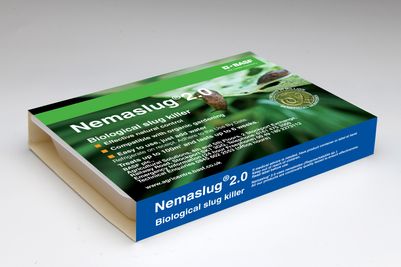
Nemaslug works in exactly the place slugs are active at this time of year. The beneficial nematodes are applied with water and move through moist soil, targeting slugs below the surface while soil temperatures remain suitable during autumn.
Autumn gives gardeners a chance to interrupt the lifecycle before the next generation emerges. It's much easier to reduce slug pressure now than wait until seedlings and fresh growth are already under attack next spring.
Three places to check for slug activity
- Around pots and containers sitting directly on the ground.
- Compost heaps, leaf piles and other damp organic matter.
- Vegetable beds and borders that stay moist after rain.
A small autumn job that can pay off in spring
Late summer is often thought of as a season for harvesting and cutting back, but it's also one of the most effective times to think about pest control beneath the soil.
Applying Nemaslug while soil temperatures remain suitable means beneficial nematodes can target slugs during one of the busiest stages of their lifecycle, helping to reduce populations before winter and giving spring planting a better start.
Ends
Editors notes
Nematodes are naturally occurring microscopic worms, already present in our soil. Beneficial nematodes attack and kill targeted garden pests. They are compatible with organic farming, easy to use and can even be kept in your fridge!
Research scientists have isolated the nematodes that kill specific garden pests including Slugs, Vine weevils, Leatherjackets, Caterpillars, Codling moth and much more.
BASF’s state of the art production facility in the UK produces billions of nematodes in a form that is easily applied by gardeners. Over 20,000 different species of nematodes have been classified, although some estimates put the total figure closer to one million! BASF has the largest specialist nematode production facility in the world, growing trillions of beneficial nematodes for use in their Nemasys range of pest control products.
BASF experts are available for interviews, features and expert comment on biological pest control management, and product is available for reviews, competitions and product trials.