Pest traps and overwintering hotspots indoors: the places to check before moving plants inside
Published:
Read Time: 2 mins
Bringing plants indoors for winter? Don’t give pests a free pass. As temperatures drop, houses can become a cosy refuge for pests, with warm indoor conditions allowing some to carry on feeding and breeding on house plants right through winter, says plant pest expert Tessa Cobley.
“People often think of pests as a spring and summer problem, but indoors it’s a different story. Once the heating goes on, you can create exactly the warm conditions some pests need to keep going. Autumn is a really good time to check plants carefully and deal with any problems before they settle in for winter.”
Check plants before bringing them inside
Any plants moving into the house, conservatory or greenhouse should be checked thoroughly first, including the undersides of leaves, stems and around the base of the plant. Pay particular attention to any sickly plants are they are more likely to be harbouring pests.
Use traps to spot what you can’t see
Sticky traps are a simple way to monitor what’s flying around your plants and can also help reduce pest numbers. Yellow traps are useful for aphids, whitefly and fungus gnats, while blue traps are particularly useful for thrips.
“They’re brilliant for telling you what’s actually going on. You might not notice a few tiny flying pests, but suddenly you’ll see them on the trap and know you need to take a closer look at the plant.”
For fungus gnats, Tessa recommends tackling both stages of the pest’s lifecycle, using yellow sticky traps for the adults alongside nematodes to deal with the larvae in the compost.
Don’t forget the hiding places
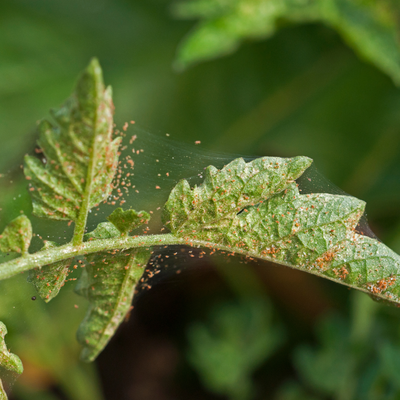
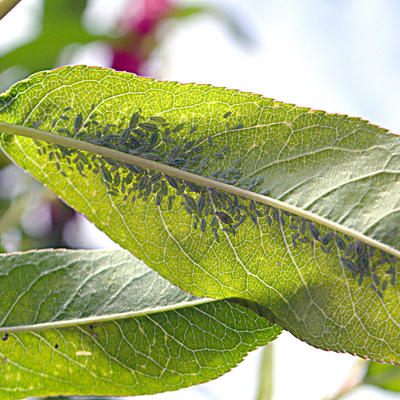
Pests can tuck themselves away in surprisingly small spaces, so give leaves, stems, pots and the surrounding area a thorough clean. Aphids can hide away and lay eggs in cracks and crevices, while pests such as spider mites can survive through colder periods ready to become active again when conditions improve.
“If you’ve had a pest problem this year, don’t just assume it’s gone because you can’t see it. Give your plants a really good clean and keep checking them through the winter. A few minutes of monitoring now can save you a much bigger infestation later.”
For more guidance on common plant pests and how to tackle them, or to browse Ladybird Plantcare’s range of biological control methods, visit www.ladybirdplantcare.co.uk
Ends
Editors notes
With years of experience, Tessa Cobley is your go-to expert on plant pests. She offers valuable insights into identifying and managing infestations. Tessa believes that using biological pest control will eventually be the norm, we just need to let more people know about it. Tessa owns and runs Ladybird Plantcare which she has grown twenty-fold in the past 6 years.