Caterpillars Eating Your Plants? Here’s How to Stop Them Naturally
Published:
Read Time: 4 mins
Most gardeners have fond memories of The Very Hungry Caterpillar, but when it comes to our plants, caterpillars really can live up to their reputation. While many species can be tolerated in small numbers, large populations can quickly strip foliage, damage flowers and even ruin fruit crops.
The good news is that caterpillar problems can often be managed effectively without resorting to chemical pesticides. Understanding which species are present, recognising the signs of damage and acting early are the keys to keeping plants healthy while maintaining a balanced garden ecosystem.
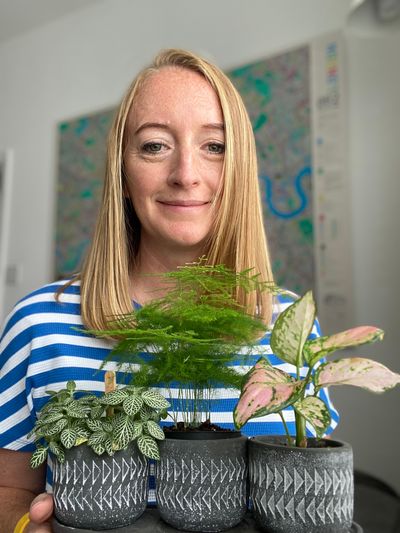
Tessa Cobley, plant pest expert and owner of Ladybird Plantcare, explains how to spot the early signs of caterpillar damage and stop an infestation in its tracks using simple, natural and biological solutions.
How to spot a caterpillar problem
One of the first indicators of caterpillar activity is foliage with irregular holes, chewed edges or skeletonised leaves. You may also notice small black droppings (known as frass), webbing, or leaves that have been folded or tied together to create protective feeding sites. Adult moths and butterflies often lay their eggs on the undersides of leaves, and clusters of eggs may be hidden inside leaves that have been webbed shut.
Common caterpillar pests
General leaf-feeding caterpillars
Many moth and butterfly larvae feed on ornamental plants, vegetables and soft fruit. Brassicas are particularly vulnerable to cabbage white caterpillars, while numerous moth species target herbaceous plants and shrubs. Damage typically appears as ragged holes in leaves and rapid defoliation when populations are high.
Gooseberry sawfly
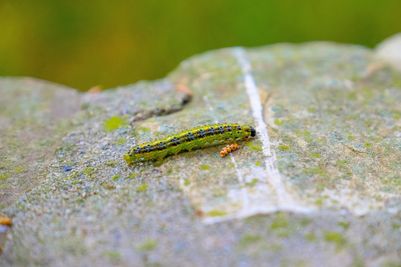
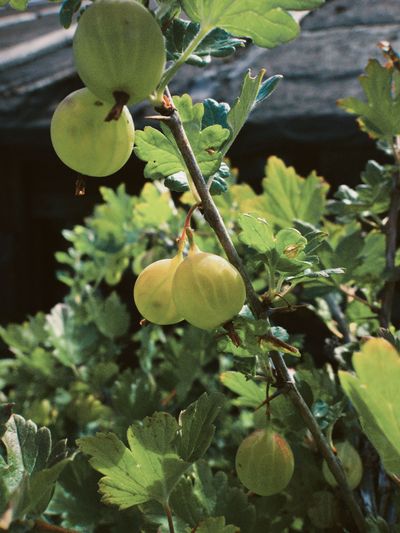
Although often grouped with caterpillar pests, gooseberry sawfly larvae are actually the offspring of a sawfly rather than a moth or butterfly. They are pale green with black spots and can strip gooseberry and currant bushes almost overnight. Severe infestations leave little more than leaf veins behind.
Codling moth and oriental fruit moth
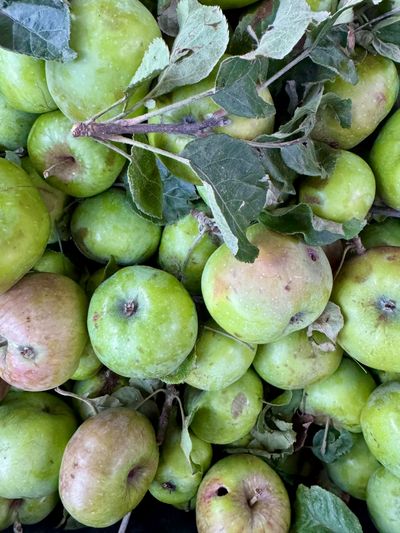
These species are major pests of apples, pears and stone fruit. Rather than feeding on leaves, the larvae tunnel into developing fruit, leaving entry holes and causing fruit to become distorted or rot prematurely. Gardeners often discover the damage only when harvesting affected fruit.
Box tree moth
Now widespread across many parts of the UK, box tree moth caterpillars are among the most destructive garden pests. Greenish-yellow with black stripes, they feed voraciously on box plants, causing extensive defoliation and leaving behind characteristic webbing that looks almost spider-webbed. Repeated attacks can weaken or kill mature box hedges and shrubs.
The damage caterpillars can cause
Caterpillars are often described as "eating machines", and for good reason. Heavy infestations can remove significant amounts of foliage in a matter of days. Young plants and seedlings are particularly vulnerable because they have fewer reserves to recover from damage. Fruit crops may suffer direct losses through tunnelling larvae, while ornamental plants can lose their aesthetic appeal due to ragged leaves and damaged flowers.
However, it's worth remembering that not every caterpillar needs to be removed. Many species eventually become important pollinators, and caterpillars themselves are a vital food source for birds and other wildlife. The aim should be management rather than complete eradication.
Natural and non-chemical control methods
Use physical barriers
One of the simplest preventative measures is to prevent egg-laying in the first place. By placing fine mesh netting over vulnerable crops, you can stop butterflies and moths from reaching plants to lay their eggs while still allowing light, air and water to pass through.
Inspect plants regularly
Early detection makes all the difference, keep checking leaves frequently for eggs, webbing and folded foliage. Any leaves that have been webbed together should be opened and cleaned out before larvae have a chance to spread. Removing egg clusters can drastically reduce future problems too.
Hand pick them off
For smaller infestations, hand removal remains one of the most effective control methods. Caterpillars can simply be picked off plants and relocated elsewhere if appropriate. Gloves are recommended, particularly when handling hairy or spiny species.
Encourage natural predators
Birds, predatory insects and parasitic wasps all feed on caterpillars and their eggs. Providing habitat through diverse planting, insect-friendly flowers, nesting sites and water sources can encourage these natural allies to take up residence in the garden.
Apply beneficial nematodes
Beneficial nematodes offer an effective and targeted biological solution. These microscopic organisms seek out and control specific caterpillar pests without harming plants, pets or beneficial insects.
For best results, treatment timings vary according to the pest:
- General caterpillars and gooseberry sawfly: Apply as soon as caterpillars are seen and repeat weekly until numbers are reduced, followed by fortnightly maintenance applications.
- Codling moth and Oriental fruit moth: Apply during September and October when temperatures remain between 14°C and 30°C.
- Box tree moth: Treat in spring and again in mid-summer, making three applications two weeks apart during each treatment period.
A balanced approach
While caterpillars can undoubtedly cause frustration, they are also an important part of garden biodiversity. Rather than reaching immediately for chemical controls, gardeners can achieve excellent results through prevention, monitoring and biological methods. Netting, hand removal, habitat management and beneficial nematodes provide effective tools for keeping damage under control while protecting pollinators and the wider ecosystem.
To learn more about biological control and to find more advice on managing pests without chemicals, visit: www.ladybirdplantcare.com
Ends
Editors notes
With years of experience, Tessa Cobley is your go-to expert on plant pests. She offers valuable insights into identifying and managing infestations. Tessa believes that using biological pest control will eventually be the norm, we just need to let more people know about it. Tessa owns and runs Ladybird Plantcare which she has grown twenty-fold in the past 6 years.