What are those tiny red spiders covering your garden? A plant pest expert reveals all
Published:
Read Time: 4 mins
During the warmer months, gardens come alive with all kinds of insects and tiny creatures. While many play an important role in supporting a healthy garden ecosystem, others can cause problems for plants if left unchecked.
One common summer sight is a tiny red creature scurrying across patios, garden furniture, plant pots and leaves. Often mistaken for a spider, these bright red bugs are known for leaving behind a distinctive red mark when squashed – but are they a friend or foe?
Plant pest expert and owner of Ladybird Plantcare, Tessa Cobley, reveals what these tiny red visitors really are, whether they pose a threat to your plants, and how to tell the difference between a harmless garden inhabitant and a more damaging pest.
Clover mites: the tiny red visitors that are usually harmless
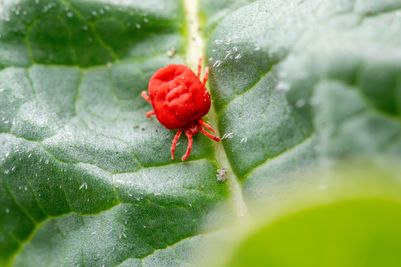
If you spot tiny red dots moving quickly across your garden furniture, paving or plant pots, you’re most likely looking at clover mites.
Despite their spider-like appearance, clover mites are actually a type of mite, measuring around 1mm in size. They have a distinctive bright red or reddish-brown colour, an oval-shaped body and very long front legs, which can sometimes make them look like they have eight legs like a spider.
“Clover mites are one of the most commonly mistaken creatures in the garden,” explains Tessa. “Their bright red colour can make them look alarming, but in most cases they’re not something gardeners need to worry about.”
Do clover mites damage plants?
The good news is that clover mites are not usually harmful to garden plants. They feed mainly on grasses, clover and other vegetation, but they rarely cause noticeable damage in a typical garden setting.
They are often found in lawns, flower beds, around patios and on outdoor surfaces, especially in warm, dry weather when populations can increase. While heavy infestations can sometimes cause minor cosmetic damage, such as silvery patches on grass or occasional leaf marking, they are generally considered more of a nuisance than a serious plant pest.
“Unlike some other mites, clover mites aren’t known for attacking prized garden plants in the same way that red spider mites do,” says Tessa. “If you see them outside, the best approach is usually to leave them alone and allow natural predators to keep populations balanced.”
How to control clover mites
If clover mites are becoming a nuisance around your home, simple garden management can help:
- Avoid overwatering lawns and planting areas
- Remove excess vegetation and weeds around patios, walls and garden buildings where they may gather.
- Encourage beneficial bugs to help maintain a healthy garden ecosystem.
- Use a strong jet of water to remove mites from outdoor surfaces and plants.
Red spider mites: the plant pest to look out for
Although they are often confused with clover mites, red spider mites are a different species and can be a much bigger concern for gardeners. Red spider mites are tiny sap-sucking pests that feed on plant cells. They are difficult to see with the naked eye, but they can cause significant damage when populations build up.
“Red spider mites are often mistaken for clover mites because of their red colouring, but they behave very differently,” explains Tessa. “They are a genuine plant pest and can weaken plants by feeding on their leaves.”
What do red spider mites look like?
Red spider mites are extremely small, usually less than 1mm in size, and can vary from red and orange to yellow or green depending on the species and life stage.
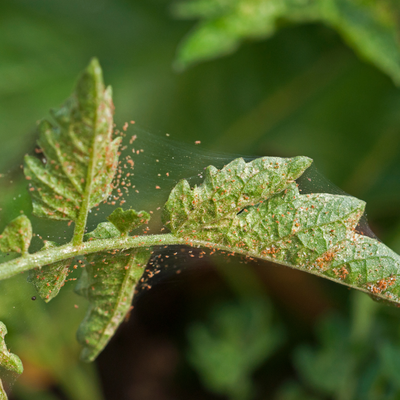
Unlike clover mites, they are usually found on the underside of leaves, where they feed and reproduce. If you look closely, you may spot:
- Tiny moving dots across leaves
- Fine webbing between leaves and stems
- Speckled or mottled leaves
- Yellowing, bronzing or dried patches on foliage
- Reduced plant growth or weakened plants
They thrive in hot, dry conditions, meaning summer heatwaves can often lead to outbreaks.
How to control red spider mites naturally
When dealing with red spider mites, early action is key. Rather than relying on chemical sprays, many gardeners are turning to biological controls, which use natural predators to target pest populations.
One effective solution is introducing predatory mites, which naturally feed on red spider mites and help restore balance in the garden. Predatory mites are tiny beneficial organisms that actively hunt spider mites, targeting both adults and younger stages. They provide a natural way to reduce pest numbers without harming pollinators or other helpful insects.
Other steps that can help prevent red spider mite problems include:
- Keeping plants well-watered, as stressed plants are more vulnerable.
- Increasing humidity around plants, as red spider mites prefer dry conditions.
- Removing badly affected leaves to help slow the spread.
Know your garden visitors before taking action
While tiny red creatures in the garden may look alarming, not every red mite is a threat.
"The key is identifying which mite you're dealing with” say’s Tessa, “If you spot tiny red mites running across walls, patios or plant pots with very little damage to nearby plants, they're most likely harmless clover mites. However, if you notice fine webbing, yellowing or speckled leaves, particularly during hot, dry weather, it's more likely to be red spider mites, which can quickly damage plants if left untreated. Knowing the difference means you can take the right action and avoid treating a problem that may not actually exist."
For more information on identifying common garden pests and to explore Ladybird Plantcare’s wide range of biological plant pest control, visit: https://ladybirdplantcare.co.uk/
Ends
Editors notes
With years of experience, Tessa Cobley is your go-to expert on plant pests. She offers valuable insights into identifying and managing infestations. Tessa believes that using biological pest control will eventually be the norm, we just need to let more people know about it. Tessa owns and runs Ladybird Plantcare which she has grown twenty-fold in the past 6 years.