Report exposes postcode lottery in head and neck cancer care, says Get A-Head
Published:
Read Time: 3 mins
Head and neck cancer patients face a postcode lottery in care across England with major inequalities in the time taken to diagnose disease, a leading national charity says.
Get A-Head, which helped fund research into cases of the disease across the country, says a landmark feasibility study shows inequalities in head and neck cancer diagnosis, treatment and care linked to deprivation and geography.
Cheshire and Merseyside has the country’s highest rate of the cancers at 19.21 cases for every 100,000 people, while North East London records the lowest rate at 15.25.
Meanwhile Surrey and Sussex recorded the highest rate of advanced cancers – those diagnosed at stage 3-4 – at 12.98 per 100,000 against a national low of 10.65 in the East of England.
The research also shows men are more than twice as likely to be affected and that people in the least deprived areas of the country had a much lower chance of cancer than those in the most deprived areas.
Get A-Head says the figures, revealed in the National Head and Neck Cancer Audit (NaHaNCA) Feasibility Study interim report, demonstrate the need for a national audit to improve diagnosis across the country.
The charity, founded in Birmingham more than 30 years ago, helped fund the feasibility study with a £40,000 grant as part of a total £270,000 investment over two years.
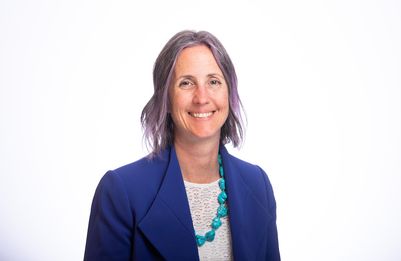
Get A-Head director Danni Heath said the interim report was a major step towards establishing a new national clinical audit – something they and other charities in the sector have been calling for since the previous programme, DAHNO, was discontinued over a decade ago.
She said: "This is a landmark moment. For the first time in over a decade, we have robust national data shining a light on the realities facing patients across England. The initial findings are deeply concerning but they are exactly the evidence we need to drive real change."
Head and neck cancer is the fifth most common cancer in men and the seventh most common overall in the UK.
The interim report drew on national cancer registration data and NHS datasets covering more than 52,000 adults diagnosed between 2014 and 2020.
According to the report, more than 63 per cent of patients are being diagnosed with stage 3–4 disease, meaning treatment is more complex and survival chances are lower. In more deprived communities, the picture is worse still.
People in less deprived areas have a 42 per cent lower chance of developing head and neck cancer and a 48 per cent lower chance of being diagnosed at stage 3–4. In the most deprived areas, survival rates drop below 50 per cent after five years.
Treatment delays compound the problem. Just 48 per cent of oncology patients are treated within 62 days. One in five wait more than 90 days from referral to treatment.
"These figures lay bare the consequences of ignoring the health needs of people in our most deprived communities," said Danni.
"People are being diagnosed later, waiting longer and facing worse outcomes due to their circumstances. That is simply unacceptable."
Get A-Head is a key partner in the Head and Neck Cancer Coalition UK, which brought together perspectives from its 16 member organisations to help shape the direction of the study and ensure findings reflected real-world patient experiences.
The charity, along with its coalition partners, is now calling on the Healthcare Quality Improvement Partnership (HQIP) to commission a full national audit for head and neck cancers to make care in England better, fairer and more consistent.
The feasibility study runs until March 2027. Its next phase will examine differences in care between NHS hospitals, adjust results to make fair comparisons between hospitals and patient groups, identify where care has the most room for improvement and explore whether rarer types of head and neck cancer could also be included.
"Our funding was instrumental in getting this study off the ground," said Danni. "But this cannot be the end of the journey. We need HQIP to step up and commission a full national audit. Too many people, particularly those from our most deprived communities are having their health needs ignored.
"A national audit will help ensure that every person with head and neck cancer receives the care they deserve."
Get A-Head raised more than £220,000 in 2024–25 and distributed over £194,000 in grants to accelerate research, improve treatment pathways and enhance patient support.
Funding this study aligns with Get A-Head's commitment to improving national data collection for people with head and neck cancer and fighting inequalities in treatment provision and outcomes.
Ends
Editors notes
An independent charity supporting those with head and neck diseases and cancers through education, treatment and research