Why ladybirds are a gardener’s best ally – and how to attract more to your garden
Published:
Read Time: 4 mins
Few garden visitors are as loved as the humble ladybird. With their bright (typically) red wing cases and charming spots, these tiny beetles have long been a favourite with gardeners and children alike. But while they might look cute, ladybirds are also incredibly hardworking, helping to keep gardens healthy by naturally tackling some of the pests that can cause problems for our plants.
Tessa Cobley, plant pest expert and owner of Ladybird Plantcare, explains: “Ladybirds are one of the best natural helpers you can have in your garden. They feed on many common garden pests, helping to create a healthier balance outdoors and reducing the need for intervention like chemical control.”
Which ladybirds can you find in the UK?
There are 47 species of ladybird found across Britain, from the familiar seven-spot ladybird to the two-spot, 22-spot and orange ladybird. While our native species play an important role in supporting UK wildlife, non-native species can also be found in our gardens.
The harlequin ladybird, which arrived in the UK in the mid-2000s, has had an impact on some native ladybird populations. However, it is still considered a beneficial insect and, like other ladybirds, helps to control common garden pests such as aphids.
A sign of a healthy garden
Seeing ladybirds in your garden is often a positive sign that your outdoor space is providing the right conditions for wildlife to thrive. A garden that welcomes a variety of insects is usually a garden full of life, with a healthy ecosystem working behind the scenes.
“Many people worry when they see lots of insects in their garden, but they’re an essential part of a thriving outdoor space,” says Tessa. “Ladybirds are a great example of this. They’re a natural part of the garden’s ecosystem and help keep pest populations balanced.”
Nature’s own pest control
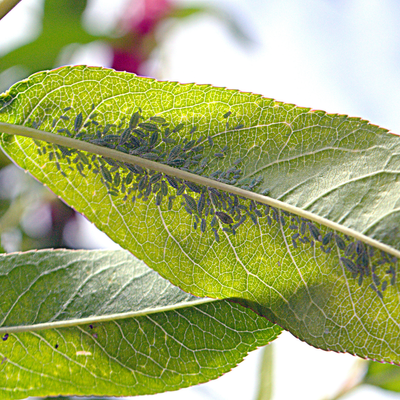
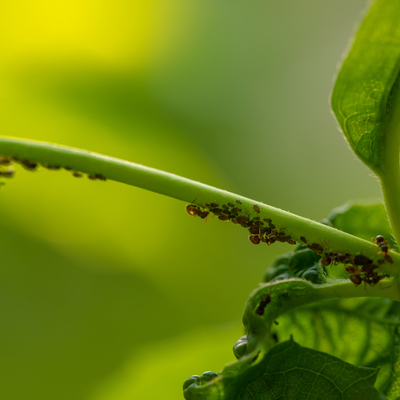
Ladybirds are perhaps best known for their love of aphids – those tiny sap-sucking insects that can quickly multiply and damage plants. A single adult ladybird can eat dozens of aphids a day, while their larvae are even more voracious, consuming hundreds before they mature.
As well as aphids, ladybirds also feed on other common garden pests and their eggs. By encouraging more ladybirds into your garden, you can give nature a helping hand and reduce the need for other pest control methods.
How to encourage more ladybirds into your garden
The best way to attract ladybirds is to create a garden where they have everything they need: food, shelter and plenty of reasons to stay.
Provide a natural food source
It can be tempting to remove every aphid as soon as you spot one, but a small, manageable population can actually help attract ladybirds to your garden.
“Ladybirds need a reliable food source, so don’t be too quick to remove every pest you see,” says Tessa. “Leaving a small number of aphids on less valuable plants can encourage ladybirds to visit and settle in your garden.”
Plant flowers they love
While ladybirds mainly rely on insects for food, adult ladybirds also enjoy feeding on nectar and pollen. Adding a selection of nectar-rich plants will help attract them and provide an extra food source.
They are particularly drawn to flat-topped, umbrella-shaped flowers and herbs such as:
- Dill
- Fennel
- Coriander
- Yarrow
- Angelica
- Sweet alyssum
“Bright yellow and orange flowers, including marigolds and calendula, are also great choices” says Tessa. “Not only will they catch a ladybird’s eye, but they’ll add plenty of cheerful colour to your borders and containers too”.
Avoid using broad-spectrum pesticides
Many insecticides, whether synthetic or organic, don’t discriminate between unwanted pests and helpful insects. Using fewer broad-spectrum pesticides allows ladybirds and other beneficial wildlife to flourish naturally.
“If you do have a persistent pest problem, consider looking into more targeted, natural solutions first,” advises Tessa. “Biological controls, such as beneficial nematodes, can help tackle specific garden pests while allowing helpful insects like ladybirds to continue doing their job.”
Give them a helping hand
If you want to boost ladybird numbers in your garden, you can introduce live ladybirds from specialist suppliers, like Ladybird Plantcare. While there’s no guarantee they’ll stay if the conditions aren’t right, releasing them can help increase local populations and give your garden’s natural pest control a welcome boost.
“Like all wildlife, ladybirds will stay where they have access to food, shelter and a safe environment,” adds Tessa. “By making your garden a welcoming place for them, you’ll be rewarded with one of nature’s most helpful little garden visitors.”
To view more advice on plant pest management and biological control, visit Ladybird Plantcare at: https://ladybirdplantcare.co.uk/
Ends
Editors notes
With years of experience, Tessa Cobley is your go-to expert on plant pests. She offers valuable insights into identifying and managing infestations. Tessa believes that using biological pest control will eventually be the norm, we just need to let more people know about it. Tessa owns and runs Ladybird Plantcare which she has grown twenty-fold in the past 6 years.