Keeping fruit, vegetables, and ornamentals healthy and pest-free all year round
Published:
Read Time: 4 mins
As spring approaches, gardeners across the country are turning their thoughts to a fresh growing season. Whether tending fruit trees, vegetable beds, or ornamental borders, early planning is key to keeping plants healthy and productive. However, pests can quickly derail even the most carefully laid plans. Nemasys, the UK’s leading manufacturer of beneficial nematodes, offers guidance on identifying common garden pests and controlling them safely and effectively. After all, good pest management doesn’t just protect crops - it promotes healthy growth, supports beneficial wildlife, and reduces reliance on chemical treatments.
Spotting trouble early
The first step to a thriving garden is vigilance. Regularly inspecting plants - under leaves, around stems, and even in the soil - makes it easier to spot pests before they cause serious damage.
A wide variety of pests can affect fruit, vegetables, and ornamental plants, both in the garden and on allotments.
Common crop pests to watch for
- Codling Moth: The caterpillars burrow into apples and pears during mid to late summer. Once feeding is complete, they drop to the soil to overwinter and emerge as moths in spring.
- Thrips: Tiny, sap-sucking insects that discolour leaves and can spread plant viruses. Their rapid life cycle makes early intervention essential.
- Gooseberry Sawfly: Caterpillars attack gooseberries and currants, stripping leaves from mid to late spring. Several generations can occur in a single season.
- Sciarid (Fungus Gnats): These small, grey-brown flies have larvae that feed on soil and damage seedlings or soft cuttings.
- Onion Fly: Maggots attack onions, leeks, shallots, garlic, and ornamental alliums. Up to three generations occur from spring to late summer, with the final generation overwintering in the soil.
- Cutworms: Soil-dwelling caterpillars that feed on stems near the soil surface of vegetables, fruits, and ornamentals. They pupate in the soil between two annual generations.
- Cabbage Root Fly: Larvae feed on brassica and some ornamental roots, stunting or destroying plants. With up to three generations per year, they are a constant threat until winter.
- Carrot Root Fly: Maggots burrow into the roots of carrots, parsnips, celery, and related crops, causing serious damage. They overwinter in the soil, and multiple generations can attack throughout the season.
Planning for a healthy and pest-resilient garden
Successful gardens are built on thoughtful planning. Rotating crops annually helps prevent pests from becoming established in the soil, while selecting strong, healthy plants and maintaining rich, well-drained soil improves natural resilience. Nevertheless, even the healthiest gardens can face pest pressure.
While chemical pesticides may offer a quick fix, they can also harm beneficial insects and wider wildlife. For gardeners seeking a more environmentally responsible approach, working with nature provides an effective alternative.
Working with nature
Beneficial insects and creatures are valuable garden allies. Ladybirds, hoverflies and even frogs help keep pest populations in balance, and encouraging biodiversity can significantly reduce outbreaks.
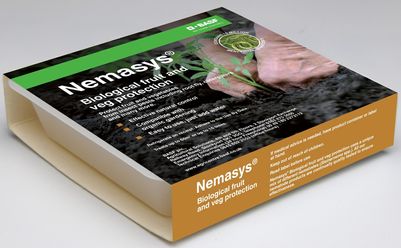
Another powerful natural solution comes in the form of beneficial nematodes - like Nemasys Fruit & Veg Protection. These microscopic organisms live in the soil and actively seek out nuisance pests without harming plants, pollinators or other wildlife.
Nemasys Fruit & Veg Protection offers an easy-to-use way to introduce beneficial nematodes into the garden. Available to purchase online for convenient home delivery, these microscopic worms target a wide range of common soil-dwelling pests, including cutworms and root flies, helping to protect fruit, vegetables and ornamental plants naturally.
How to apply Nemasys Fruit & Veg Protection
Beneficial nematodes are simple to apply at home and on the allotment:
- Mix the product with a small amount of water, stir thoroughly, then add the rest of the water, following pack instructions.
- Apply the mixture to the affected area using a watering can fitted with a coarse rose to prevent nematodes getting trapped.
- Keep the soil moist for a couple of weeks to ensure nematodes remain active.
- Reapply if needed, particularly for severe infestations or as a preventative measure.
Top tips for success
For best results, apply nematodes early in the morning or in the evening to protect them from UV rays. Ensure soil temperatures are suitable, typically between 5°C and 30°C depending on the species. Timing is crucial: nematodes are most effective against pests in their juvenile or larval stages, so apply when the target pests are at their most vulnerable.
By combining careful planning, regular monitoring, and natural solutions like Nemasys, gardeners can enjoy healthier, more productive plants and a flourishing garden throughout the year.
Ends
Editors notes
Nematodes are naturally occurring microscopic worms, already present in our soil. Beneficial nematodes attack and kill targeted garden pests. They are compatible with organic farming, easy to use and can even be kept in your fridge!
Research scientists have isolated the nematodes that kill specific garden pests including Slugs, Vine weevils, Leatherjackets, Caterpillars, Codling moth and much more.
BASF’s state of the art production facility in the UK produces billions of nematodes in a form that is easily applied by gardeners. Over 20,000 different species of nematodes have been classified, although some estimates put the total figure closer to one million! BASF has the largest specialist nematode production facility in the world, growing trillions of beneficial nematodes for use in their Nemasys range of pest control products.
BASF experts are available for interviews, features and expert comment on biological pest control management, and product is available for reviews, competitions and product trials.