The hidden late-summer pests already damaging your garden — even if you can't see them
Published:
Read Time: 5 mins
Plant pest expert Tessa Cobley, owner of Ladybird Plantcare, reveals the late-summer pests that can be difficult to spot, but could already be causing damage.
A garden can look healthy on the surface while pests are causing damage underneath the soil or hiding amongst the foliage. Plant pest expert Tessa Cobley is urging gardeners to take a closer look this late summer, when warm soil, lingering humidity and the return of cooler, wetter weather can trigger a fresh wave of pest activity.
From grubs feeding on roots beneath the soil to tiny insects tucked away on the undersides of leaves, the first sign of a problem is often damage to the plant rather than the pest itself.
“Gardeners tend to look for the obvious signs of pests such as holes in leaves, visible insects or damaged plants,” says Tessa. “But some pests are much harder to spot, and by the time you notice that a plant is wilting or a lawn is developing bare patches, they may already have caused quite a bit of damage.
“That’s why it’s worth getting into the habit of looking a little more closely at your plants and lawn, particularly at this time of year.”
The pests hiding beneath the soil
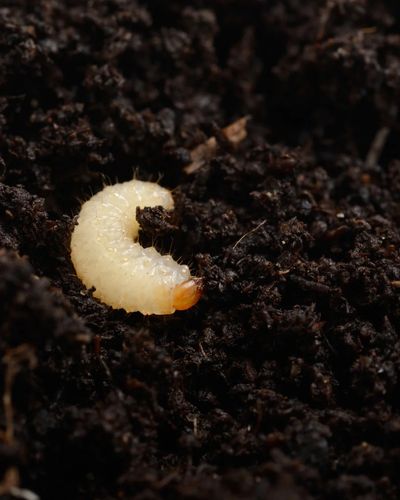
Vine weevil grubs are one of the biggest culprits in containers. The creamy-white, C-shaped larvae live in the compost and feed on plant roots, while the adult beetles leave the familiar notches around leaf edges.
“If a container plant suddenly starts to look unhappy despite being well watered and otherwise healthy, don’t assume it simply needs more water,” says Tessa. “Have a look at the roots and compost. If you find the characteristic white grubs, you’ve probably found your problem.”
Late summer is a good time to treat vine weevil grubs with Vine Weevil Control Nematodes, while the soil is still warm enough for them to work.
The same principle applies to lawns. Leatherjackets and chafer grubs both live beneath the surface and feed on grass roots, but there are some useful clues to look for above ground.
“Leatherjacket damage can easily be mistaken for drought or general wear and tear,” says Tessa. “With chafer grubs, one of the biggest clues is often the wildlife rather than the lawn itself. If birds, foxes or badgers are suddenly digging up one particular area, they may well have found grubs.”
If leatherjackets are suspected, Leatherjacket Nematodes can be used when soil temperatures are still above 10°C. For chafer grubs, Chafer Grub Nematodes can be applied towards the end of summer, when the newly hatched grubs are most vulnerable.
Don’t be fooled into thinking the slugs have gone
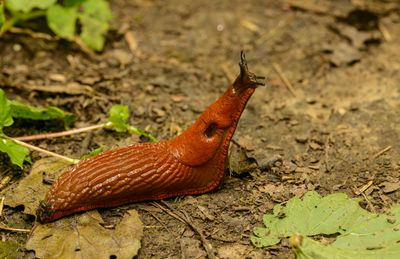
After weeks of hot, dry weather, it’s easy to assume this year’s slug problem has disappeared. But dry weather rarely gets rid of slugs – it simply drives them underground. Slugs need cool, damp conditions to survive, so during prolonged hot weather they retreat deeper into the soil or other sheltered spots where it’s cooler and moister. They can stay hidden for weeks before reappearing as soon as rain or cooler temperatures return.
“People often think the heat has got rid of slugs, but they’re really just waiting,” says Tessa. “During prolonged dry weather they’ll burrow down into the soil to avoid drying out. Then, as soon as we get a spell of rain or cooler weather, they come straight back up and start feeding.”
That means gardeners can be caught out just as borders, vegetable patches and newly planted flowers head into late summer, with fresh damage appearing almost overnight after the first decent rainfall.
Slug Control Nematodes can be watered into the soil while slugs are hidden below the surface, helping to target them before they emerge. They can be applied whenever soil temperatures are above 5°C.
Look under the leaves
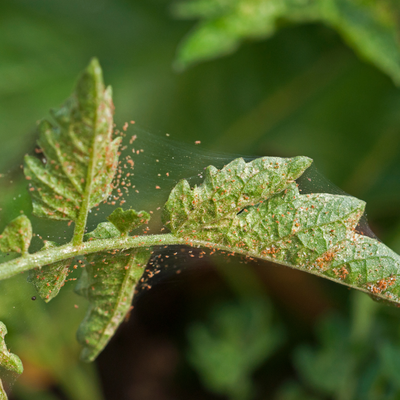
Not all hidden pests are in the soil. Thrips and spider mites can be surprisingly difficult to spot, particularly when an infestation is just getting started.
“Don’t just look at the top of the leaf,” says Tessa. “Turn leaves over and inspect the veins, new growth and where the leaves join the stem. That’s often where pests gather first.”
“With thrips, you might notice silvery patches or tiny black specks, while spider mites cause a mottled appearance and, in more established infestations, fine webbing.”
For thrips, Ladybird Plantcare offers Amblyseius predatory mites, which feed on the younger stages of the pest, as well as nematodes and Orius for more established infestations.
Tessa’s late-summer pest check
A few simple checks can help gardeners catch problems before they get out of hand:
- Check struggling pots: If a plant is wilting for no obvious reason, inspect the compost and roots for vine weevil grubs.
- Look at the lawn: Investigate unexplained yellow or bare patches, particularly if birds or other wildlife are digging in the area.
- Turn over leaves: Check underneath foliage for thrips, spider mites and other tiny sap-sucking pests.
- Think ahead of the rain: Even if you haven’t seen slugs for weeks, they’re likely to be hiding beneath the soil or under sheltered spots, ready to re-emerge when conditions become cooler and wetter.
- Don’t ignore small changes: Silvering, stippling, wilting or unexplained damage are often the first clues that pests are already present.
“The important thing is not to panic when you spot a bit of damage, but to investigate it,” adds Tessa. “Your plants and lawn will often give you clues about what’s going on if you know what to look for.
“A couple of minutes spent checking now could save you a much bigger problem further down the line.”
For more advice on identifying and controlling garden pests using biological controls, visit the Ladybird Plantcare website.
Ends
Editors notes
With years of experience, Tessa Cobley is your go-to expert on plant pests. She offers valuable insights into identifying and managing infestations. Tessa believes that using biological pest control will eventually be the norm, we just need to let more people know about it. Tessa owns and runs Ladybird Plantcare which she has grown twenty-fold in the past 6 years.