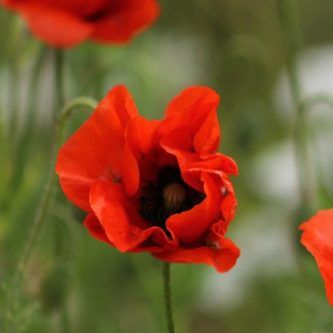
Don't throw them away! Why now is the perfect time to save seeds for next year's garden
Published:
Read Time: 3 mins
As summer starts to draw to a close, many gardeners begin cutting back faded flowers and clearing borders ready for autumn. But before you throw those spent blooms onto the compost heap, experts say they could hold the key to an even more colourful and wildlife-friendly garden next year.
According to the original seed ball company, Seedball, late summer and early autumn are the perfect time to collect and save seeds from your favourite flowers. Not only can it help fill your garden with blooms next year at little or no cost, but it's also a simple way to support biodiversity and become more connected with the natural cycle of your garden.
Dr Ana Attlee, conservation scientist and co-founder of Seedball, said:
"Saving seeds is one of the most rewarding jobs you can do in the garden. It's easy, free and allows you to grow more of the flowers you've enjoyed this year. It's also a wonderful way to observe nature more closely and understand how plants complete their lifecycle.
"That said, it's important not to collect every seed. Leaving some behind provides food for birds and allows plants to self-seed naturally, creating the kind of relaxed, wildlife-friendly planting that pollinators love."
Why save seeds?
Saving seed isn't just about saving money. It also helps gardeners build a resilient, wildlife-friendly garden by allowing plants that have thrived in local conditions to continue growing year after year.
Other benefits include
- Growing more of the flowers you already know perform well in your garden.
- Reducing waste by making use of seeds that would otherwise be discarded.
- Supporting biodiversity by encouraging a wider range of flowering plants.
- Creating a fun, educational gardening activity for children and families.
- Building a stronger connection with the seasons and the natural life cycle of plants.
Which seeds are easiest to collect?
Many popular cottage garden flowers and annuals produce seeds that are easy to harvest, including:
- Cornflowers
- Calendula
- Cosmos
- Poppies
- Nigella (Love-in-a-Mist)
- Sunflowers
- Marigolds
How to collect and store seeds
Timing is everything. Wait until flower heads have faded and the seed heads have turned brown and dry before collecting.
Dr Attlee recommends:
- Choose a dry day to collect seeds.
- Gently remove mature seed heads or shake seeds into a paper bag or envelope.
- Allow seeds to dry completely before storing.
- Label each packet with the plant name and collection date.
- Store in a cool, dry place until sowing next season.
Avoid storing seeds in plastic bags, as trapped moisture can encourage mould and reduce germination.
Remember to leave some for wildlife
While collecting seed can be hugely rewarding, Dr Attlee encourages gardeners to think about the wider ecosystem too.
"Seed heads continue to provide value long after flowers have faded," she explains. "They provide an important food source for birds throughout autumn and winter, while many insects use hollow stems and seed heads as shelter. Leaving some plants standing until spring can make a real difference to local wildlife."
Many flowers will also self-seed naturally if left undisturbed, producing informal drifts of blooms that provide valuable nectar for bees, butterflies and other pollinating insects.
Looking ahead to next spring
Whether you're sowing your own saved seed or looking for an easy way to establish beautiful wildflower displays, planning ahead now will help create a garden that's full of colour and buzzing with life next year.
"For anyone new to gardening, saving seeds is a brilliant place to start," says Dr Attlee. "It's simple, sustainable and reminds us that gardening doesn't always mean buying something new. Sometimes the best resource is already growing in your own garden."
For more advice on creating wildlife-friendly gardens and growing UK native wildflowers, visit the Seedball website.
To explore Seedball’s wide range of wildflower products, visit www.seedball.co.uk
Ends
Editors notes
Seedball was founded by two conservation scientists wanting to boost biodiversity and help wildlife.
Seedball Ltd is an innovative organisation on a mission to help increase the abundance of British wildflowers and the wildlife that depends upon them.
Owned by Project Maya – a non-profit enterprise - Seedball manufactures wildflower seed balls using a unique innovation of wildflower seeds mixed with clay, peat-free compost and chilli powder to naturally protect seeds from predators. Its products are sold in over 500 stores in the UK, including Kew Gardens, The Woodland Trust and Blue Diamond Garden Centres, as well as online retailers such as Crocus and Marie Curie. Each year, Seedball also donates products to hundreds of schools and community groups to help support their nature projects.