Back from holiday? Do this five-minute houseplant pest check before you water anything
Published:
Read Time: 2 mins
Plant pest expert Tessa Cobley, owner of Ladybird Plantcare, shares the five things every houseplant owner should check as soon as they get home from holiday.
Coming home from holiday to find your houseplants looking a little worse for wear is incredibly common. But before you reach for the watering can, it’s worth checking for something else: pests.
According to plant pest expert Tessa Cobley, a week or two away can give common houseplant pests the chance to establish themselves before anyone notices. Plants can also become stressed while you’re away, making them more vulnerable to pest problems.
“People often come home and assume their plants just need watering,” says Tessa. “But spending five minutes checking for pests first can help you spot a problem before it spreads to the rest of your houseplants.”
Tessa’s five-minute post-holiday houseplant checklist
Turn over the leaves
The undersides of leaves are where many pests like to hide.
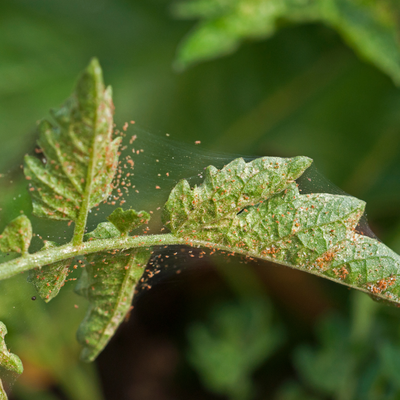
Look for tiny moving insects, fine webbing, sticky residue or clusters of pests along the veins of leaves.
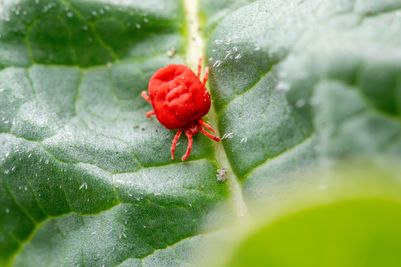
“Spider mites and thrips are both easy to miss in the early stages,” says Tessa. “You’ll often spot the signs of damage before you see the pest itself.”
Look for yellow, speckled or silvery leaves
Your plant’s leaves can tell you a lot.
Fine yellow or pale speckles can be a sign of spider mites.
Silvery or bronzed patches, distorted new growth and tiny black specks can point to thrips.
If something looks different from when you left, take a closer look.
Check the compost for tiny black flies
If little black flies appear when you move or water a plant, you could have fungus gnats.
“The adults are annoying, but it’s the larvae living in the compost that cause the real problem,” says Tessa.
Isolate any plants with signs of pests
If one plant looks affected, move it away from the others while you investigate.
Keeping plants separate can help stop pests spreading around your indoor jungle.
Identify the pest before treating it
Different pests need different solutions, so avoid treating everything the same way.
Tessa recommends targeted biological controls, including predatory mites for spider mites and thrips, and beneficial nematodes for fungus gnat larvae living in compost.
Don’t panic if you find pests
Finding pests after a holiday doesn’t mean your houseplant is beyond saving.
“The sooner you identify what’s causing the problem, the easier it is to deal with,” says Tessa. “A quick post-holiday check can make all the difference and helps you give your plants exactly what they need to recover.”
For more advice on identifying and controlling houseplant pests using biological controls, visit the Ladybird Plantcare website.
Ends
Editors notes
With years of experience, Tessa Cobley is your go-to expert on plant pests. She offers valuable insights into identifying and managing infestations. Tessa believes that using biological pest control will eventually be the norm, we just need to let more people know about it. Tessa owns and runs Ladybird Plantcare which she has grown twenty-fold in the past 6 years.