Tiny terrors: A guide to common houseplant pests and how to outsmart them
Published:
Read Time: 4 mins
If you adore your leafy friends, it’s only natural you want them looking lush and healthy. Unfortunately, the warm, sheltered conditions we create for our houseplants can also be very appealing to a wide range of pests. The good news is that most common houseplant pests are manageable if spotted early, and once you know what to look for, they are far less intimidating.
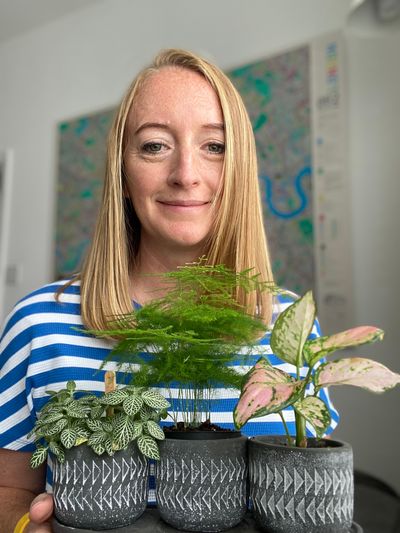
Here, plant pest specialist and owner of Ladybird Plantcare, Tessa Cobley, shares her expert insight on common houseplant pests and how to tackle them:
Identifying the problem and how to approach it
Figuring out what’s bugging your houseplants can feel a little overwhelming but knowing what to look for is half the battle. Here are some of the most common pests and how to tackle them:
Thrips are sneaky little culprits. You might notice silvery streaks or patches on leaves, tiny dark specks, distorted flowers, or stunted new growth. Thrips feed by piercing plant tissue, which leaves a scar-like effect. Thrips feed by piercing plant tissue, which leaves a scar-like effect. By the time most people spot the damage, the infestation is usually on the foliage, so starting with horticultural soap cleans and introducing slow-release predatory mite sachets is often the most effective first step as these help control the active population on the plant itself.
Spider Mites thrive in warm, dry rooms and are often spotted through fine webbing on leaves and stems. Affected foliage may appear pale, speckled, or yellowing. Increasing humidity and misting regularly can make conditions less favourable, while horticultural soap sprays can help control populations on contact. For more persistent infestations, predatory mite species Phytoseiulus persimilis can be introduced - these feed on the spider mites but leave your plant unharmed.
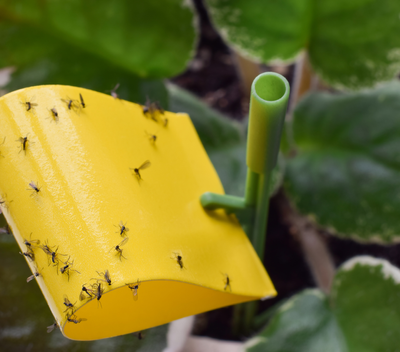
Fungus Gnats are easy to notice when small, dark flies hover around your pots after watering. While the adults are mostly harmless, their larvae live in the compost and feed on fine roots, putting young plants at risk. A combined approach, like our Fungus Gnat Treatment Bundle, works best: beneficial nematodes attack the larvae in the soil, while sticky yellow traps catch the adult flies, tackling the problem from both angles.
Mealybugs look like tiny white cottony clusters along stems and leaf joints. They feed on sap and leave behind sticky honeydew, which can encourage sooty mould. At the first sign of mealybugs, wipe them off carefully, but act quickly - these pests spread easily and can jump to other nearby plants. Persistent infestations may benefit from repeated applications of horticultural soap or introducing predatory insects where practical.
Prevention and early intervention
Prevention and early intervention are key. Regularly inspect the undersides of leaves, along stems and at the soil surface. Wiping leaves clean, removing affected growth and isolating new plants for a short period before introducing them to your collection can significantly reduce the risk of widespread problems. If you do spot a pesky pest, act fast to prevent the problem from getting out of hand.
Put away the pesticides (they’re doing more harm than good!)
Chemical pesticides might seem like a quick and convenient fix, but they rarely come without consequences. While they may kill the target pest, they can also wipe out beneficial insects that come into contact with treated plants. In outdoor environments, that can disrupt the wider ecosystem. Indoors, the risks are closer to home. Spray residues can linger on leaves and surfaces, increasing the chance of exposure through inhalation or skin contact. Curious pets may brush against treated foliage or chew leaves after application, potentially putting their health at risk.
If you want to remove those concerns entirely, switching from chemical treatments to biological control is a far more balanced approach.
Biological controls rely on naturally occurring solutions to manage pest populations. Predatory insects such as ladybirds, lacewing larvae and predatory mites can be introduced to target specific pests. They work by feeding on the problem insects, helping to restore balance without the need for synthetic chemicals. For some pests, beneficial nematodes work best. These are microscopic worms that are applied directly to the compost. Once watered in, they actively seek out soil-dwelling pests such as fungus gnat larvae and thrips, infecting them and helping to bring infestations under control at the source.
Because biological solutions target specific pests and do not leave chemical residues behind, they offer peace of mind for households with children and pets when used as directed. They also support a more environmentally responsible way of caring for plants, working with nature rather than against it.
While pest problems can feel discouraging, they are a normal part of indoor gardening. With routine checks, good plant hygiene and, where necessary, the support of biological controls, you can keep your indoor jungle thriving. A little vigilance goes a long way in ensuring your houseplants remain healthy, vibrant and enjoyable all year round.
To explore more expert advice by Tessa, or to browse Ladybird Plantcare’s wide range of biological control, visit: https://ladybirdplantcare.co.uk/
Ends
Editors notes
With years of experience, Tessa Cobley is your go-to expert on plant pests. She offers valuable insights into identifying and managing infestations. Tessa believes that using biological pest control will eventually be the norm, we just need to let more people know about it. Tessa owns and runs Ladybird Plantcare which she has grown twenty-fold in the past 6 years.