Protect plants from slug damage this spring as experts predict ‘slugageddon’
Published:
Read Time: 4 mins
Following one of the wettest winters on record, combined with consistently mild temperatures, gardeners across the UK are being warned to prepare for a surge in slug activity this spring.
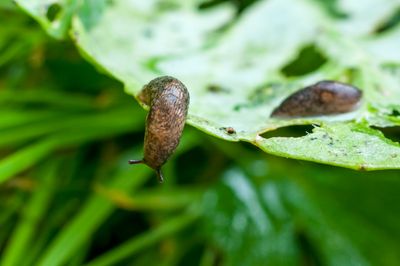
With prolonged rainfall and above-average temperatures at the start of the year, gardens are now rapidly coming back to life. However, alongside emerging shoots and budding trees, a familiar and unwelcome visitor is also returning in force - the slug.
The experts at Nemasys, the UK’s leading producer of nematodes, explain why this year, prevention is key to protecting the garden.
Why 2026 could be a bumper year for slugs
Slugs thrive in moist environments where food is readily available. Typically, cold snaps and prolonged frost help suppress their populations over winter. However, this year’s mild conditions have allowed more slugs to survive and remain active for longer – and lay more eggs in the soil ready to hatch this spring!
The combination of wet soil, abundant organic matter, and ideal shelter conditions has created the perfect environment for slugs to breed and feed. As a result, many experts are predicting a significant increase in slug numbers - with some already dubbing it a potential “slugageddon”.
How to identify slug damage
Slug damage can develop rapidly making early identification essential for preventing plant loss. As nocturnal feeders, slugs tend to cause the most damage in damp, mild conditions, leaving behind clear signs of their activity by morning. Gardeners should look out for:
- Irregular holes in leaves – Unlike the neat, uniform damage caused by some insects, slug feeding creates uneven, jagged holes. These often start at the leaf edges but can also appear across the surface, particularly on softer foliage.
- Shredded or ragged growth – Young plants and newly emerged leaves are especially vulnerable. Slugs can strip foliage quickly, leaving behind tattered remains or stems with very little leaf matter intact.
- Silvery slime trails – One of the most recognisable signs, these trails can be found on leaves, soil, pots, paving, and even garden furniture. They often glisten in the light and indicate active feeding routes and hiding spots.
- Missing seedlings – In severe cases, entire seedlings can disappear overnight. Slugs will often consume plants down to ground level, leaving little or no trace aside from a faint slime trail.
- Damage at soil level – Slugs frequently feed at the base of plants, particularly on stems. This can weaken or kill plants outright and is often harder to spot until the plant begins to collapse.
- Increased activity in damp, sheltered areas – Pay close attention to shaded borders, under pots, beneath debris, and in dense planting where moisture is retained - these are prime hiding and feeding locations.
Tender plants such as hostas, lettuce, delphiniums, and young vegetable crops are particularly susceptible, as their soft, lush growth makes them an easy target. Regular inspection during high-risk periods can help gardeners take swift action before damage escalates.
Protect plants before damage takes hold
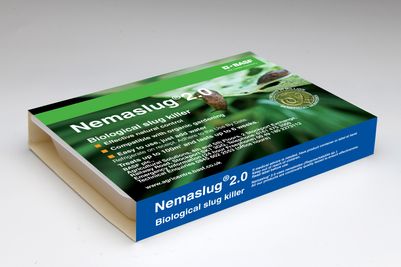
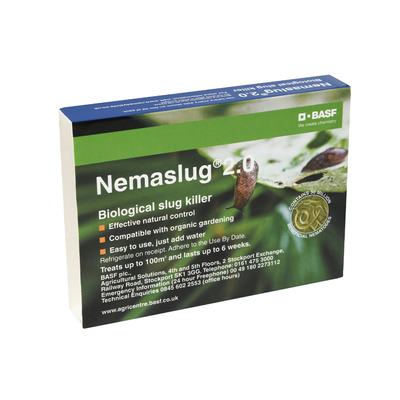
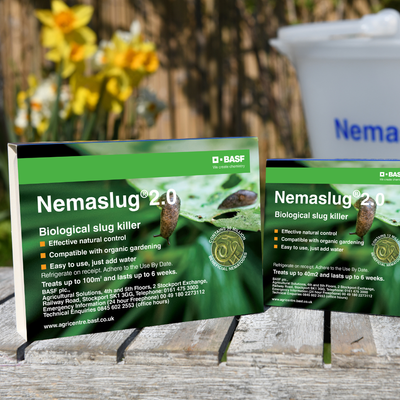
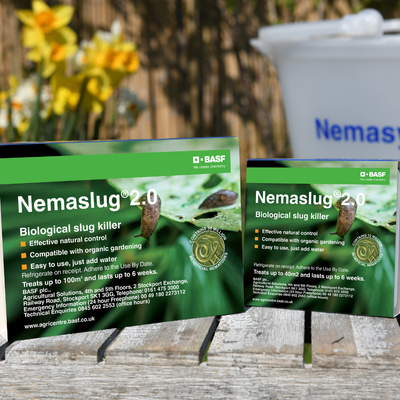
Taking early, preventative action is essential to avoid widespread damage and crop loss. One proven biological control is Nemaslug 2.0, which uses naturally occurring beneficial nematodes to target the slugs directly in the soil.
Each application contains millions of microscopic, colourless worms that actively seek out slugs. Once inside, they release a bacterium that stops the slug from feeding and ultimately leads to its death.
These nematodes then multiply within the host, creating a new generation that continues to suppress slug populations. As numbers decline, nematode levels naturally return to normal, making this a sustainable and environmentally responsible solution.
Widely used by professional growers and gardeners, nematodes offer an effective way to control slugs without harming plants, pets, or wildlife.
Why spring is the time to act
Spring is a key period for slug control, as juvenile slugs emerge in large numbers and begin feeding aggressively on young plants. If left unmanaged, they can cause significant damage before plants have a chance to establish.
Applying nematodes early in the season can dramatically reduce slug populations before they mature, providing up to six weeks of protection per treatment.
For best results, treatments should be applied regularly from March through to September to maintain consistent control.
How to apply Nemaslug 2.0
Applying nematodes is simple and can be done as part of a regular watering routine:
- Mix – Dilute the contents with water, following the pack instructions
- Apply – Water evenly over the soil using a watering can or sprayer
For optimal results:
- Apply at the right time: Early morning or late afternoon to avoid UV exposure
- Maintain moisture: Keep soil damp for at least two weeks after application
- Repeat treatments: Reapply every 4 -6 weeks throughout the growing season
Set your garden up for success
Taking a proactive approach in spring can make all the difference. By tackling slug populations early with biological controls such as nematodes, gardeners can protect vulnerable plants, support healthy growth, and avoid the frustration of severe damage later in the season.
With conditions primed for a surge in activity, acting now could be the key to staying one step ahead of this year’s “slugageddon”.
Ends
Editors notes
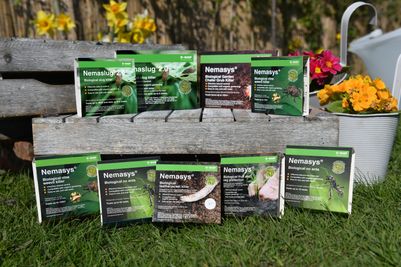
Nematodes are naturally occurring microscopic worms, already present in our soil. Beneficial nematodes attack and kill targeted garden pests. They are compatible with organic farming, easy to use and can even be kept in your fridge!
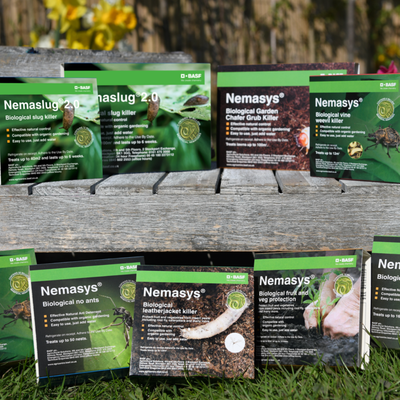
Research scientists have isolated the nematodes that kill specific garden pests including Slugs, Vine weevils, Leatherjackets, Caterpillars, Codling moth and much more.
BASF’s state of the art production facility in the UK produces billions of nematodes in a form that is easily applied by gardeners. Over 20,000 different species of nematodes have been classified, although some estimates put the total figure closer to one million! BASF has the largest specialist nematode production facility in the world, growing trillions of beneficial nematodes for use in their Nemasys range of pest control products.
BASF experts are available for interviews, features and expert comment on biological pest control management, and product is available for reviews, competitions and product trials.