Spring Into Growing: Top Tips for a Thriving Vegetable Garden
Published:
Read Time: 4 mins
As the days grow longer and temperatures start to rise, there’s no better time to get your garden ready for a season of delicious, homegrown vegetables. There’s a unique satisfaction in planting a seed, nurturing it, and harvesting fresh produce that’s bursting with flavour.
Whether you’re an experienced gardener or trying your hand at growing for the first time, Angharad James, brand manager at Maxicrop, shares essential tips to help you grow healthier, thriving vegetables this spring.
1. Clear and prepare your garden
Start by removing any remnants from last season: old plants, weeds, and fallen leaves should all be put in the garden waste bin. Clearing debris not only makes room for new crops but also reduces the risk of disease. Don’t forget to wash out pots, seed trays, and propagation tools so everything is ready for sowing. For larger areas, lightly fork over the soil to break up compacted patches to improve aeration and airflow.
2. Test and enrich your soil
Strong, nutrient-rich soil is the backbone of a thriving vegetable patch, so begin with a soil test to check pH and nutrient levels. You can buy simple home kits from garden centres and online that can guide you on which amendments are needed. Adding in organic matter, such as well-rotted compost, improves structure and improves water retention.
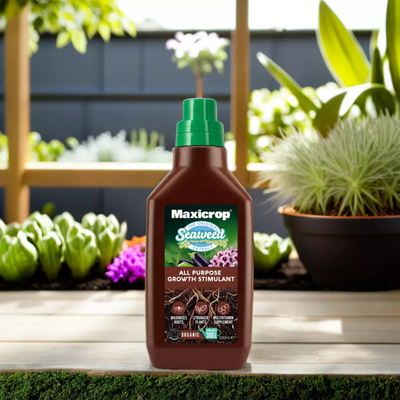
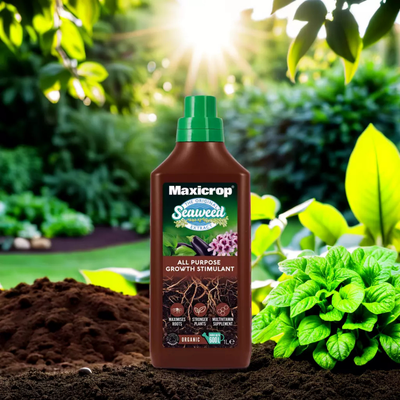
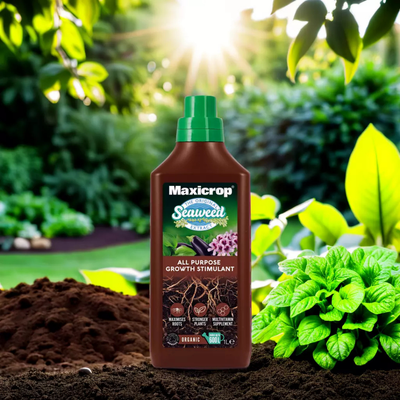
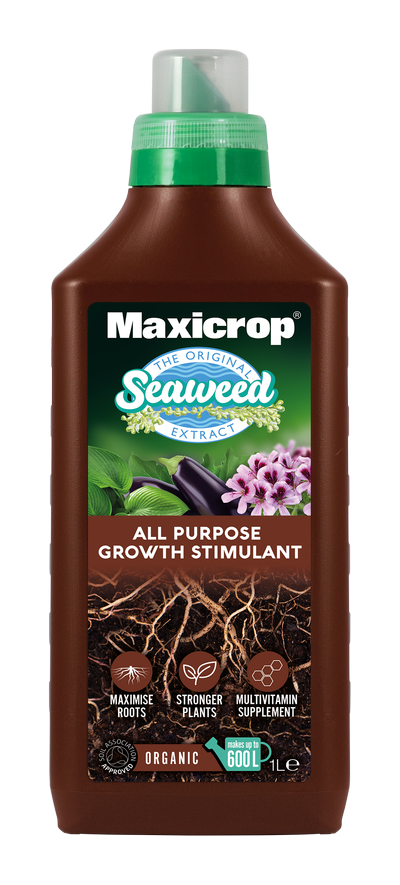
Seaweed-based products like Maxicrop All Purpose Growth Stimulant are particularly effective. Made with premium Norwegian seaweed extract, it encourages strong root development, improves nutrient uptake, and helps plants withstand stress and challenging conditions. Regular use ensures your soil stays fertile, healthy, and ready for vigorous growth.
3. Improve drainage
Good drainage is critical for healthy vegetables. If your soil is heavy or clay-like, mix in coarse compost, grit, or sand to prevent waterlogging. Alternatively, raised beds or large containers with proper drainage holes allow roots to breathe and reduce the risk of rot, particularly for root crops like carrots and parsnips.
4. Plan your planting layout
Take time to map out your vegetable beds. Consider sunlight exposure, spacing, and companion planting. Crop rotation is key, so avoid planting the same family of vegetables in the same spot as the year before to prevent nutrient depletion and reduce pest problems. Climbing plants like beans benefit from vertical supports, while sprawling crops like courgettes need space to spread out.
5. Sowing seeds
Spring is prime time for sowing a variety of vegetables. Root crops like carrots, parsnips, and beetroot can go directly into the soil, while tomatoes, peppers, and many herbs prefer a protected start indoors.
Use peat-free seed compost in trays or small pots. Start by sowing seeds thinly, protect them lightly with compost or vermiculite, and water gently. Cover with a propagator lid, cling film, or an upturned bottle to maintain warmth and moisture. Seeds typically germinate within 7–14 days, after which seedlings can be gradually acclimatised to cooler conditions before being planted outdoors.
6. Potting seedlings
Once seedlings have several true leaves, they’re ready for potting. Gently lift each seedling by the leaves, avoid disturbing the roots, and plant in slightly larger pots using fresh compost, firm down the soil lightly and water carefully.
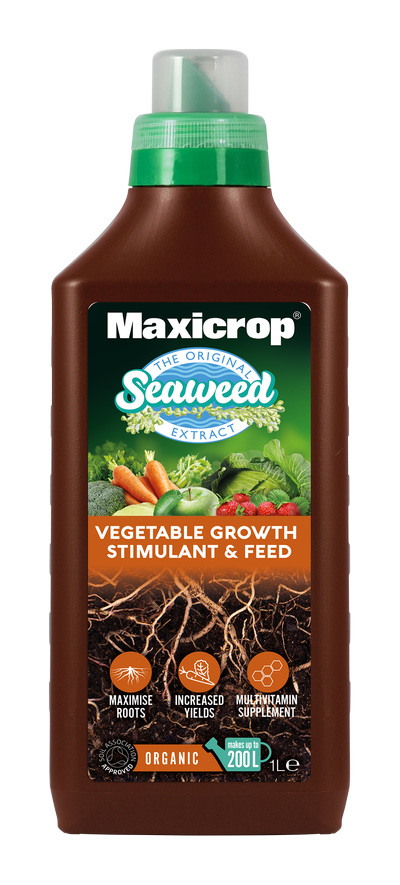
To encourage healthy growth, feed your vegetables with Maxicrop Vegetable Growth Stimulant and Feed. This liquid fertiliser is rich in nitrogen, phosphorous, and potassium, can be mixed at 20ml per 4.5 litres of water and applied every 7–14 days. It strengthens plants, boosts yield and keeps crops vigorous throughout the growing season.
7. Watering and maintenance
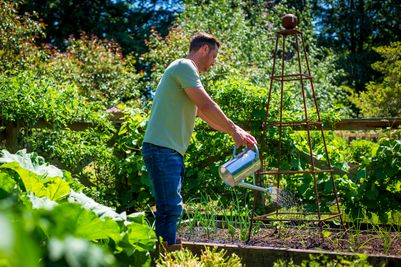
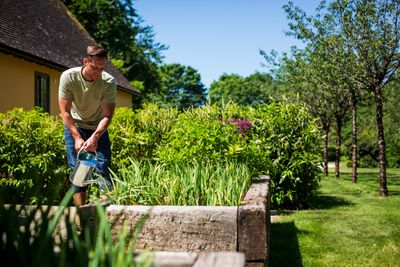
Consistent watering is essential for thriving crops. Aim for deep, infrequent watering to encourage a robust root system – around once to twice a week. Drip irrigation or soaker hoses are excellent for directing water to the roots and reducing leaf wetness, which can invite disease or scorch foliage on hot summer days.
Keep a watchful eye for pests and early signs of fungal infections. Using natural plant protection products such as Provanto Fungus Fighter Plus helps prevent problems without harsh chemicals, keeping your garden safe and sustainable.
8. Keep a growth diary
Tracking planting dates, fertiliser applications, and observations on pests or weather conditions helps you learn what works best in your garden. Over time, this will improve yields and make each growing season easier and more productive.
By following these steps, you’ll set the stage for a thriving vegetable garden, full of flavourful, nutritious crops to enjoy from late spring onwards.
For more expert gardening advice and details on Maxicrop products, visit www.seezon.co.uk.
Ends
Editors notes
Maxicrop® has been a trusted name in gardening for over 80 years, known and loved for its premium organic seaweed-based products that support plant growth and resilience.
Sustainably sourced from the pristine waters off the Norwegian coast, Maxicrop’s seaweed extract is rich in nutrients and antioxidants, offering a natural bio-stimulant to develop strong plant cells and boost root growth, while building resistance to disease, drought and cold.
Its hero product, the popular All Purpose Growth Stimulant, is a pure bio-stimulant with an enriched formula designed to enhance root development, nutrient uptake, and stress tolerance in plants.
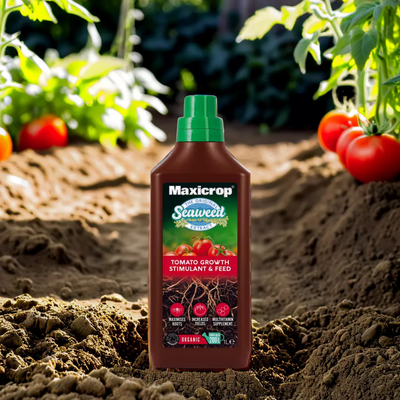
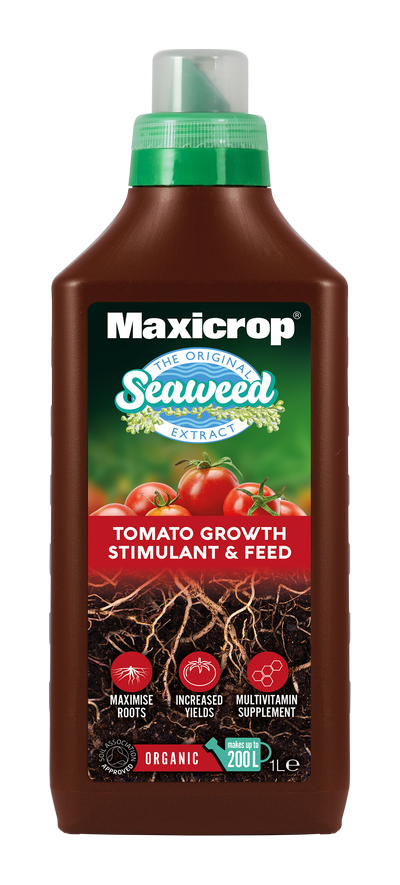
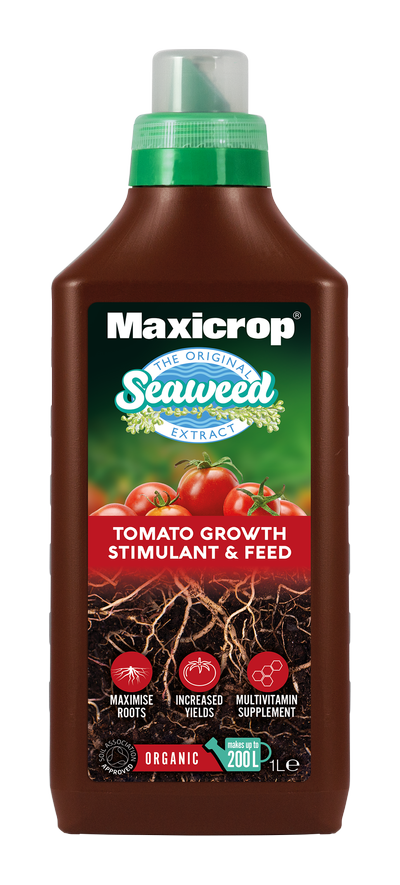
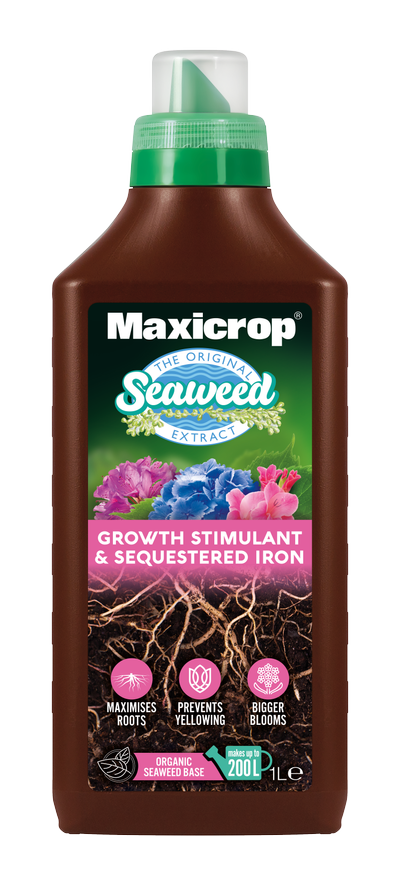
The wider range features products that carefully combine this high-quality, highly concentrated seaweed base with Nitrogen, Phosphorus, and Potassium to provide complete care for a variety of garden needs, including Vegetable Growth Stimulant and Feed, Tomato Growth Stimulant and Feed, Growth Stimulant and Sequestered Iron, and Moss Killer and Lawn Tonic.
Certified organic by the Soil Association, Maxicrop provides eco-conscious gardeners with effective, sustainable solutions for healthy, thriving plants.