Seeing more pests in the garden? Expert explains what’s normal at this time of year
Published:
Read Time: 3 mins
As gardens move into late spring and early summer, many gardeners are noticing something less welcome alongside the fresh growth: a sharp rise in pests.
But before reaching for the sprays, plant pest expert Tessa Cobley, owner of Ladybird Plantcare, says much of what’s appearing right now is completely normal.
“This is one of the busiest periods in the garden,” she explains. “Plants are growing quickly, temperatures are rising, and pest activity naturally increases alongside that. The key is understanding what’s expected seasonal activity, and what actually needs intervention.”
Here, she explains the most common garden pests appearing right now, what’s normal, and when it becomes a problem.
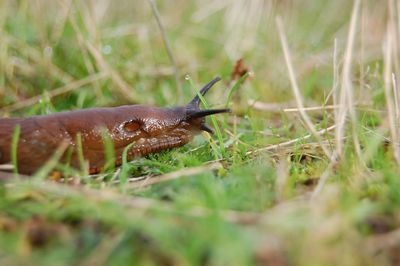
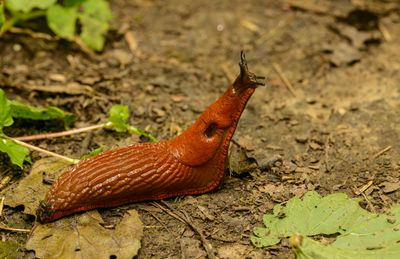
Slugs and snails: active – but not always a crisis
Mild, damp spring conditions make late spring prime time for slugs and snails.
Normal:
· Small holes in leaves
· Occasional slime trails
· Night-time feeding after rain
Problematic:
· Seedlings disappearing overnight
· Widespread plant damage
· Repeated losses in beds or pots
“A few holes are completely normal at this time of year,” says Tessa. “It’s when plants are being wiped out that action is needed.”
For gardeners [F1] struggling with persistent slug damage, Tessa recommends applying biological slug nematodes to the soil early in the season, which help reduce slug populations naturally beneath the soil surface.
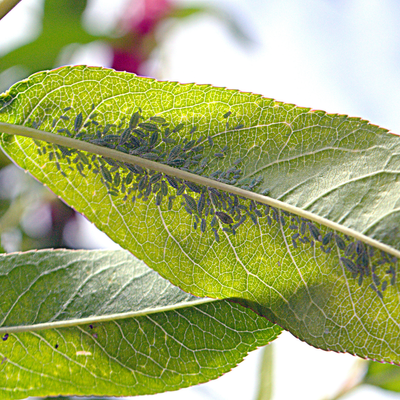
Aphids: expected in spring growth
Aphids thrive on soft new shoots and are one of the most common pests at this time of year.
Normal:
· Small clusters on new growth
· Ladybirds or lacewings nearby
· Minor leaf curling that plants outgrow
Problematic:
· Dense infestations across stems and buds
· Sticky honeydew on leaves
· Distorted or stunted growth
“Almost every garden will have aphids during late spring,” Tessa says. “The question is whether natural predators are keeping them under control.”
For heavier infestations, introducing a natural predator such as ladybirds can help bring aphid numbers back into balance naturally.
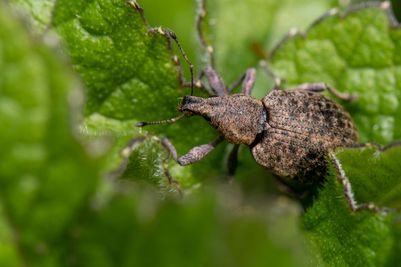
Vine weevil: the hidden damage-maker
It is around this time of year when vine weevil problems often become visible, but the damage usually starts even earlier.
Normal:
· Light leaf notching on ornamentals
· Occasional adult beetle sightings
Problematic:
· Sudden plant collapse in pots
· Creamy-white C-shaped larvae in compost
· Repeated plant failures in containers
“The real issue is underground,” Tessa explains. “By the time plants wilt, the damage is often already done.”
Tessa recommends treating susceptible pots and containers with beneficial nematodes such as Vine Weevil Control - Nematodes once soil temperatures warm up in spring.
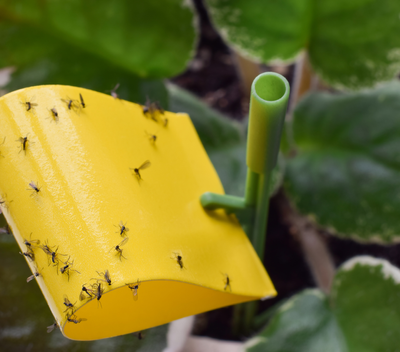
Whitefly, thrips and spider mites: signs of plant stress
These tiny pests thrive in warm, sheltered spaces such as greenhouses and conservatories.
Normal:
· Small numbers on isolated plants
· Minor leaf speckling
· No obvious impact on plant health
Problematic:
· Rapid leaf discolouration or distortion
· Clouds of whitefly when disturbed
· Fine webbing and visible decline
“Pests are more likely to target stressed plants,” Tessa says. “Strong, healthy plants are your best defence.”
For early monitoring and control, Tessa recommends using products such as Sticky Traps alongside biological controls, horticultural soap and regular plant checks. For spider mite issues, predatory mites can also be highly effective.
The aim is balance, not elimination
Tessa says the biggest shift gardeners can make now and as the season progresses is changing how they interpret what they’re seeing.
“Not every insect is a problem. A healthy garden will always have pests – that’s completely normal,” she explains. “What we’re really aiming for is balance, not elimination.”
While pest activity often increases at this time of year, she stresses it’s simply part of the seasonal rhythm.
“This is the garden waking up properly. Everything is growing quickly, everything is active – so of course you’ll see more life, including pests,” she says.
For Tessa, the key is to respond calmly rather than reactively.
“Once you understand what’s normal during late spring, it becomes far less stressful,” she adds. “It’s really about working with nature, not trying to control every part of it. Most of the time, if the garden is healthy, it will find its own balance.”
For more expert advice on identifying and managing common garden pests, visit the Ladybird Plantcare website.
[F1]We can leave this out if you would prefer not to direct people to slug nematodes right now
Ends
Editors notes
With years of experience, Tessa Cobley is your go-to expert on plant pests. She offers valuable insights into identifying and managing infestations. Tessa believes that using biological pest control will eventually be the norm, we just need to let more people know about it. Tessa owns and runs Ladybird Plantcare which she has grown twenty-fold in the past 6 years.