Why turning the heating on could send spider mite numbers soaring
Published:
Read Time: 2 mins
The heating is going on - and now is the time to check your houseplants for spider mites. These tiny pests thrive in warm, dry conditions, so the change in indoor environment can give them exactly what they need to multiply rapidly.
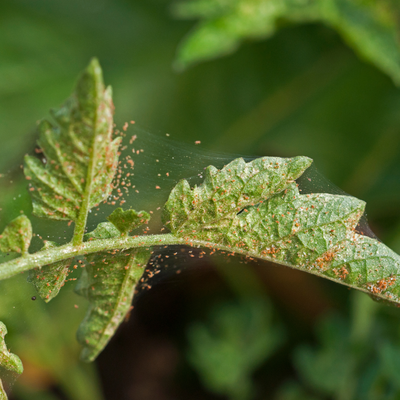
Spider mites aren't actually insects - they're tiny arachnids, often less than 0.5mm long, which makes them incredibly difficult to spot. Instead, look for their calling cards: fine pale speckling or yellowing on the leaves, particularly on the undersides, and eventually fine webbing if numbers have built up.
Check your plants now, and then make it a weekly job throughout the heating season, so you can catch them before you see the webbing. One simple trick is to hold a sheet of white paper underneath a leaf and tap it gently. Look closely for tiny moving specks on the paper - this can reveal an infestation before it's obvious on the plant.
If you find spider mites, act straight away. Give the plant a thorough spray with water, paying particular attention to the undersides of the leaves, to help knock mites and webbing from the plant. Keep plants properly watered and, where appropriate, increase humidity around them - dry, stressed plants can be particularly vulnerable.
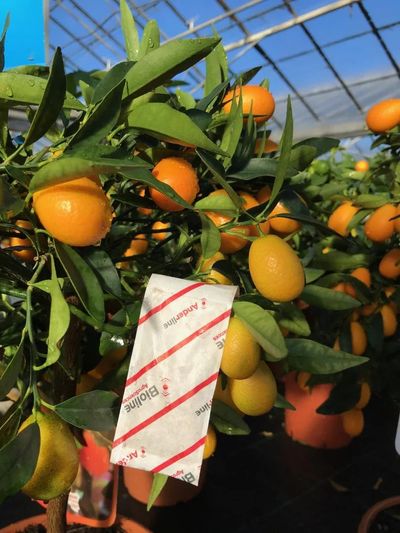
For an established infestation, biological controls can be a useful option. Phytoseiulus persimilis is a predatory mite that actively hunts spider mites, making it particularly useful when there is already a population to feed on. For prevention and early control, Amblyseius andersoni can help keep populations from getting established. Ladybird Plant Care has both, alongside other spider mite controls.
The important thing is to try and act before you see the webbing. By that stage, spider mite numbers can already be high, so give every houseplant a check when the heating goes on - particularly plants sitting close to radiators or other sources of dry heat.
For more guidance on common plant pests and how to tackle them, or to browse Ladybird Plantcare’s range of biological control methods, visit www.ladybirdplantcare.co.uk
Ends
Editors notes
With years of experience, Tessa Cobley is your go-to expert on plant pests. She offers valuable insights into identifying and managing infestations. Tessa believes that using biological pest control will eventually be the norm, we just need to let more people know about it. Tessa owns and runs Ladybird Plantcare which she has grown twenty-fold in the past 6 years.