Pet-friendly patches that support pollinators
Published:
Read Time: 3 mins
When it comes to our gardens, we want spaces that are welcoming, sustainable, and buzzing with wildlife. But one common mistake is not checking whether the plants we choose are safe for our furry friends. Both dogs and cats are sensitive to certain flowers. While many gardeners know about the dangers of lilies for cats, there are other popular flowers that should also be avoided.
Here, Dr Emily Attlee, conservation scientist and co-founder of the original seed ball company, Seedball, shares her top plant picks for creating a garden that supports wildlife while keeping pets safe.
Don’t plant daffodil bulbs
Daffodils are toxic to both cats and dogs if eaten. They contain lycorine, which can cause digestive upset, and other parts of the plant may irritate the mouth, throat, and skin. The bulbs are particularly dangerous, so if your pet tends to nibble on plants or dig up the flower garden, it’s best to avoid daffodils altogether in gardens where pets are prone to digging or chewing.
Instead, plant cowslip
A common sight in the English countryside, the cowslip has lovely yellow nodding blooms that stand on tall stems. It has a sweet apricot-like scent and most importantly, won’t cause any harm to your pets if they happen to stumble across and take a bite, making it a safer choice for pet-friendly gardens.
Foxgloves are a big no
These striking, trumpet-shaped flowers are wonderful to look at, but are highly toxic to cats, dogs and even humans. All parts of the plant contain a toxin called cardiac glycosides – which can be fatal if ingested as it interferes with the heart muscle. If you suspect your pet has eaten foxgloves, it’s super important to get them to a vet as soon as possible.
Instead, plant red campion
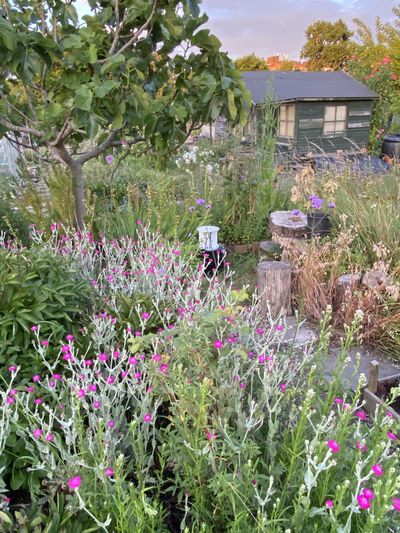
This stunning wildflower offers rose-red blooms from late-spring into late summer – making it the perfect substitute for foxgloves. It is a perennial plant, meaning it’ll reflower year on year for repeated colour and depth. Red campion is considered non-toxic to pets, so is a much safer alternative for curious animals.
Oxeye daisy should be avoided
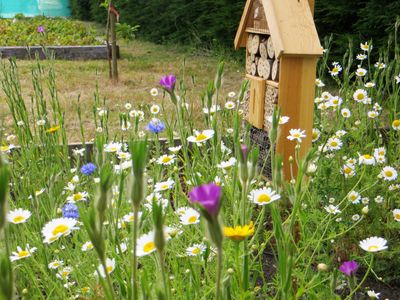
These quick growing wildflowers are a great lifeline for pollinators with their large, open flower heads, but sadly shouldn’t be planted in a pet-friendly space. Though not a severely toxic plant, ingestion can cause stomach issues, so if your furry companion is prone to munching the flower beds, it’s best to skip out on this one.
Instead, plant cornflowers
Flowering from June through to September, cornflowers are a vibrant shade of blue that brings colour, interest and most importantly pollinators to your garden. These iconic British flowers are not only a valuable pit-stop for bees and butterflies, but they can live harmoniously alongside pets as they pose no risk.
Creating a garden that supports biodiversity doesn’t mean you have to compromise your pet’s safety. With a little research and some careful plant choices, you can design a pollinator paradise that’s safe, colourful, and full of life.
For further advice on creating a garden that supports biodiversity, and to shop Seedball’s wide range of wildflower products, visit www.seedball.co.uk
Ends
Editors notes
Seedball was founded by two conservation scientists wanting to boost biodiversity and help wildlife.
Seedball Ltd is an innovative organisation on a mission to help increase the abundance of British wildflowers and the wildlife that depends upon them.
Owned by Project Maya – a non-profit enterprise - Seedball manufactures wildflower seed balls using a unique innovation of wildflower seeds mixed with clay, peat-free compost and chilli powder to naturally protect seeds from predators. Its products are sold in over 500 stores in the UK, including Kew Gardens, The Woodland Trust and Blue Diamond Garden Centres, as well as online retailers such as Crocus and Marie Curie. Each year, Seedball also donates products to hundreds of schools and community groups to help support their nature projects.