Advice on drought tolerant planting
Published:
Read Time: 2 mins
Dr Emily Attlee, conservation scientist and co-founder of the original seed ball company, Seedball, advises:
With heatwaves and prolonged dry spells becoming increasingly common due to climate change, it’s likely that extreme weather will become the new normal for UK gardens.
As drought conditions intensify and hosepipe bans become more frequent, gardeners are understandably looking for ways to build resilience into their outdoor spaces. One answer lies in wildflowers. Many native species are well adapted to cope with dry spells and still deliver an impressive display. Here are a few of my top picks for heat-tolerant wildflowers that are as tough as they are beautiful:
Coneflowers
These vibrant, native wildflowers aren’t just a feast for the eyes – they’re also tough, reliable perennials that return year after year. Easy to grow and adored by pollinators, coneflowers offer long-lasting colour and valuable drought resistance.
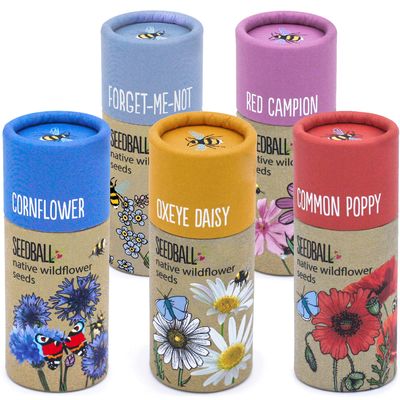
Oxeye Daisy
Often seen on roadside verges, oxeye daisies thrive on neglect. They do well in poor soil and need very little watering once established. These cheerful self-seeders bring rustic charm to a garden while supporting local pollinators.
Meadow Cranesbill
Young plants may need some water at first, but once established, meadow cranesbill performs brilliantly in dry, well-drained soils. Part of the geranium family, it produces beautiful violet flowers and supports a wide range of pollinators.
Musk Mallow
With its soft pink blooms and classic cottage garden appeal, musk mallow is both hardy and low maintenance. It tolerates drought well, disappears in autumn, and returns reliably each spring, making it a wildlife-friendly favourite.
Cornflower
Known for their striking blue blooms, cornflowers feature frilled petals and curly stamens that attract bees and other beneficial insects. They’re happy in dry conditions once settled and bring texture and vibrancy to the garden.
These are just a handful of examples. In fact, most native wildflowers have evolved to cope with drought once established. Many store seeds beneath the soil, ready to regenerate when conditions improve. So, if you're looking to future-proof your garden, wildflowers are a smart, sustainable choice.
Ends
Editors notes
Seedball was founded by two conservation scientists wanting to boost biodiversity and help wildlife.
Seedball Ltd is an innovative organisation on a mission to help increase the abundance of British wildflowers and the wildlife that depends upon them.
Owned by Project Maya – a non-profit enterprise - Seedball manufactures wildflower seed balls using a unique innovation of wildflower seeds mixed with clay, peat-free compost and chilli powder to naturally protect seeds from predators. Its products are sold in over 500 stores in the UK, including Kew Gardens, The Woodland Trust and Blue Diamond Garden Centres, as well as online retailers such as Crocus and Marie Curie. Each year, Seedball also donates products to hundreds of schools and community groups to help support their nature projects.