Why these tiny flies love your houseplants (and what to do about it)
Published:
Read Time: 3 mins
Fungus gnat infestations are on the rise, and if you’ve ever had one buzzing straight into your face, you’ll know how annoying they can be! Warm central heating, closed windows and the way we care for our beloved indoor plants have created the perfect playground for these tiny flies. Also known as sciarid flies, fungus gnats are now one of the most common - and infuriating - pests for houseplant enthusiasts.
Consumers often share how they make keeping plants feel stressful, overwhelming, and, frankly, embarrassing when guests get ambushed by the flying menaces. While they may seem relatively harmless at first, once their lifecycle establishes in your plant’s soil, they can wreak havoc, particularly on younger or sensitive plants.
Plant pest expert and Ladybird Plantcare owner, Tessa Cobley, explains how to tackle these annoying houseplant flies head-on, and how to stop them from coming back.
What do fungus gnats look like:
The first step in taking control is recognising the problem. Here’s what to look for:
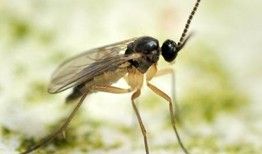
- Adult flies: Tiny, dark, mosquito-like insects that hover annoyingly around the soil surface or pot rims. They’re the ones that fly straight into your face, making you seriously consider binning all your plants. Their bodies are slender with translucent wings.
- Larvae: Just beneath the surface, you might spot thin, white maggots wriggling in your potting mix.
If you notice any activity, act quickly - fungus gnats love houseplants and can lay hundreds of eggs in our cherished collections.
Breaking the lifecycle:
Managing fungus gnats works best when you target both adults and larvae as a two-pronged approach.
1. Monitor and trap adults
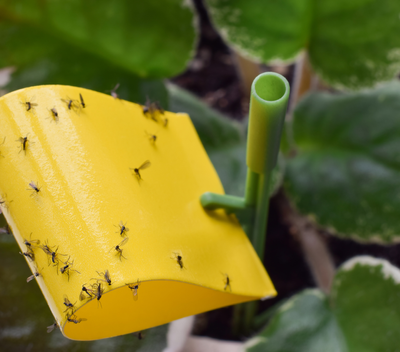
Yellow sticky traps at soil level are cheap, simple, and extremely effective at catching flying adults before they lay more eggs. Gnats are irresistibly drawn to yellow, so trap colour really does make a difference.
2. Target larvae in the soil
Biological controls like beneficial nematodes can be watered into your potting mix. They actively seek out and kill fungus gnat larvae, typically within a week. This breaks the lifecycle at the source. It’s an environmentally responsible solution: nematodes target only the larvae, leaving other insects, pets, and people completely unharmed - a natural and highly effective fix.
To make life even easier, Ladybird Plantcare offers a Fungus Gnat Treatment Bundle. It combines two types of nematodes, Steinernema feltiae and Steinernema carpocapsae, to target larvae in the soil, alongside bright yellow sticky traps to lure adults away from your plants. With this combo, ongoing monitoring, and a little patience, those irritating gnats will soon be nothing more than a distant, unmissed memory.
Prevention is better than cure:
The most sustainable strategy is always prevention. Regularly check your plants and adjust watering habits as needed. If gnats are detected, combining monitoring traps with targeted larval control will bring numbers down before a minor annoyance turns into a full-blown invasion.
When approached with a clear understanding of their lifecycle and the right integrated tactics, fungus gnats are a manageable nuisance - your home can be free from gnats, your plants can thrive and your sanity is restored.
For more guidance on common plant pests and how to tackle them, or to browse Ladybird Plantcare’s range of biological control methods, visit www.ladybirdplantcare.co.uk
Ends
Editors notes
With years of experience, Tessa Cobley is your go-to expert on plant pests. She offers valuable insights into identifying and managing infestations. Tessa believes that using biological pest control will eventually be the norm, we just need to let more people know about it. Tessa owns and runs Ladybird Plantcare which she has grown twenty-fold in the past 6 years.