Heat and humidity fuel summer pest surge, warns plant pest expert
Published:
Read Time: 2 mins
With the UK experiencing increasingly warm, humid spells this summer, gardeners are being reminded that although these conditions may result in some thriving plants, they can also drive a surge in problematic pest activity.
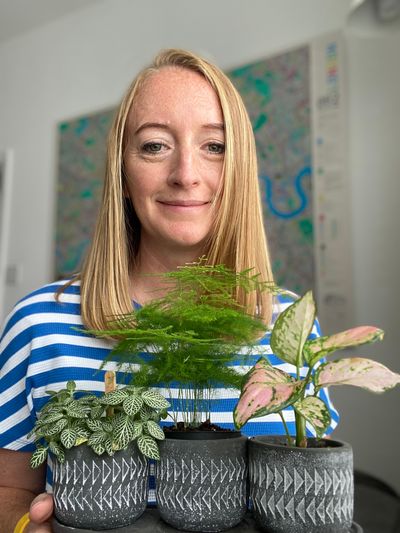
According to biological pest control specialist Tessa Cobley of Ladybird Plantcare, the combination of heat, humidity and plant stress creates ideal conditions for common garden and houseplant pests to multiply quickly.
“Warm weather is great for growth, but it also speeds everything else up too, including pests,” says Tessa. “The problem is that by the time you notice them, they’ve often already had time to establish themselves.”
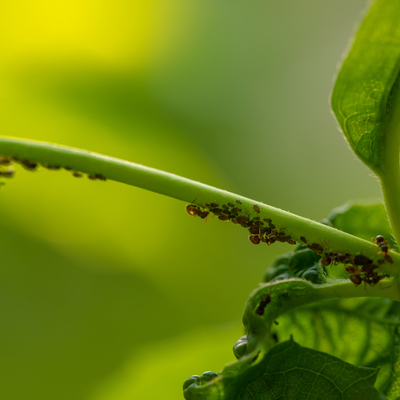
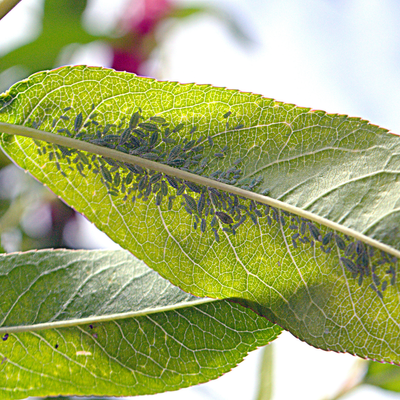
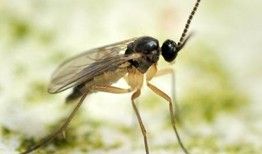
Aphids, spider mites, whitefly and thrips all thrive in hot conditions, while fungus gnats can become a particular issue in damp compost during humid weather. At the same time, heat-stressed plants are less able to defend themselves, making them easier targets.
Why summer conditions escalate pest problems
In warm, still air, pest life cycles accelerate. Populations build faster and small issues can quickly become visible infestations if left unchecked.
Tessa also warns that early signs of stress are often misread.
“Wilting or slightly distorted growth is frequently put down to watering alone, but it can also be a sign that the plant is under pressure and becoming more vulnerable to pests,” she explains. “Plants that are struggling due to inconsistent watering or prolonged heat are often less able to withstand pest attacks.”
Simple preventative steps
Rather than reacting once pests are established, Tessa recommends a preventative approach:
· Improve airflow by avoiding overcrowding in borders, pots and greenhouses
· Water consistently to avoid drought stress, paying particular attention to containers and houseplants during hot spells.
· Check plants regularly, especially new growth and leaf undersides
· Reduce plant stress through consistent care and, where needed, temporary shading during heatwaves
Working with nature
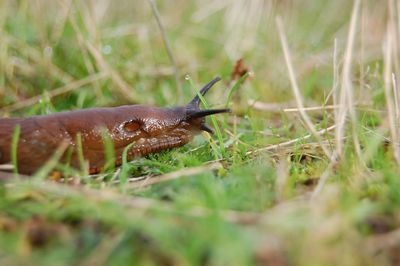
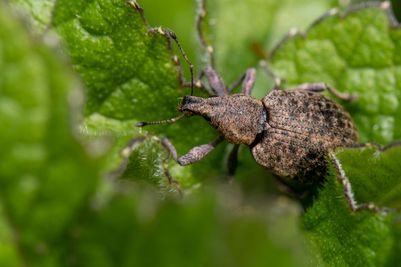
Where intervention is needed, Tessa advocates for biological pest control as a sustainable alternative to chemical treatments, including solutions such as nematodes for soil-dwelling pests like slugs, vine weevil and fungus gnat larvae, and introducing predatory insects such as lacewing larvae or ladybirds to control aphids and other soft-bodied pests, available via her Ladybird Plantcare range.
“At Ladybird Plantcare, everything is about working with natural systems,” she explains. “Biological controls target the pest without disrupting the wider balance of beneficial insects, which is key for long-term plant health.”
A preventative mindset
As UK summers become more unpredictable, with periods of intense heat followed by humidity, Tessa stresses that success comes down to observation and timing.
“It’s not about reacting once pests take hold,” she says. “It’s about creating conditions where they’re far less likely to become a problem in the first place.”
For more expert advice on identifying and managing common garden pests, visit the Ladybird Plantcare website.
Ends
Editors notes
With years of experience, Tessa Cobley is your go-to expert on plant pests. She offers valuable insights into identifying and managing infestations. Tessa believes that using biological pest control will eventually be the norm, we just need to let more people know about it. Tessa owns and runs Ladybird Plantcare which she has grown twenty-fold in the past 6 years.