Still using washing-up liquid for plant pests? Tessa says stop.
Published:
Read Time: 2 mins
Washing-up liquid has become one of the internet's favourite houseplant pest hacks. Tessa Cobley, says it's time to stop using it.
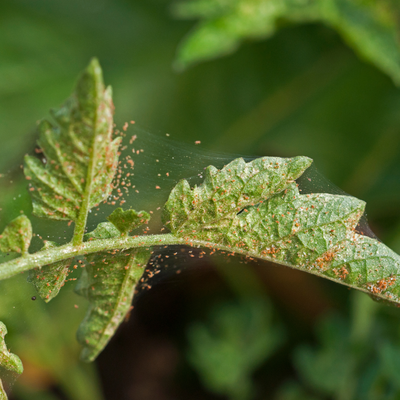
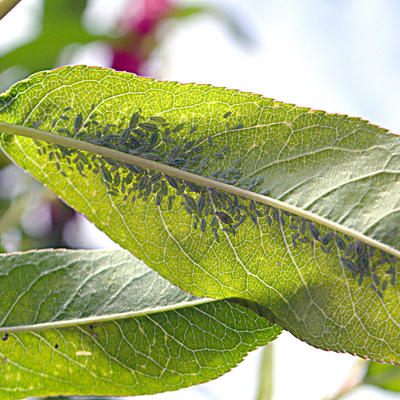
Washing-up liquid might be a popular DIY fix for aphids, spider mites, whitefly and thrips, but plant pest expert Tessa Cobley says it has no place on your houseplants.
“It gets recommended all the time online because it's cheap and people usually have it in the cupboard,” says Tessa, owner of Ladybird Plantcare. “But washing-up liquid is designed to clean dishes, not living plants.”
While detergents can kill soft-bodied pests, they can also strip away the natural protective coating on leaves, leaving plants stressed, scorched or damaged. Delicate foliage is especially vulnerable.
Tessa says there's another problem too.
“Washing-up liquids contain surfactants, fragrances, preservatives and other ingredients that are designed for washing up, not for spraying onto plants or into the wider garden. Just because something feels like a gentler option than a pesticide doesn't mean it's the right thing to use.”
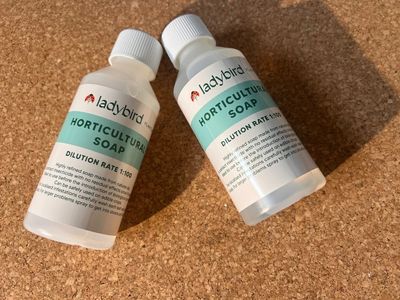
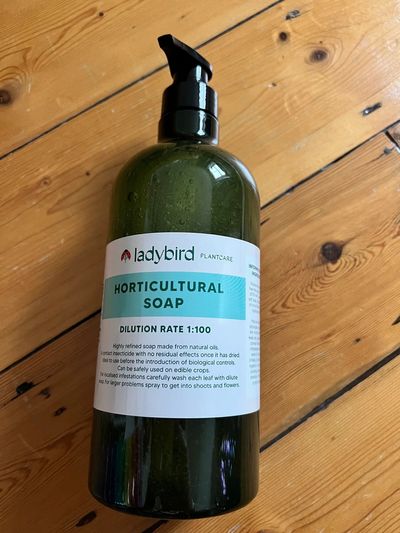
Instead, Tessa recommends horticultural soap, which is made specifically for use on plants. It works on contact, breaking down the protective outer layer of soft-bodied pests so they dehydrate, without using a household detergent.
“Horticultural soap is made for plants, so that's what I'd reach for,” says Tessa. “Your plants aren't your plates. If you're going to spray something onto them, use something that's actually designed for the job.”
It does need to be used properly. Spray directly onto the pests, including underneath leaves and around new growth where they hide, and repeat every three days if pests are still present.
Tessa's tips for using horticultural soap
- Spray the pests, not just the plant. Get underneath leaves and into new growth where pests like to hide.
- Avoid full sun. Spray in the early morning or evening.
- Repeat if needed. Horticultural soap only works where it makes contact, so reapply every three days if you can still see pests.
- Patch test first. Try a small area before treating the whole plant.
- Take care with delicate plants. Avoid using soft soaps on fuchsias, ferns and flowering bedding plants, which can be damaged.
“Houseplant pests are much easier to deal with if you catch them early,” says Tessa. “Check plants regularly, deal with infestations as soon as you spot them, and keep the washing-up liquid where it belongs - by the sink.”
Ends
Editors notes
With years of experience, Tessa Cobley is your go-to expert on plant pests. She offers valuable insights into identifying and managing infestations. Tessa believes that using biological pest control will eventually be the norm, we just need to let more people know about it. Tessa owns and runs Ladybird Plantcare which she has grown twenty-fold in the past 6 years.