Signs of Spring survey engages British wildlife watchers
Published:
Read Time: 2 mins
More citizen scientists and wildlife watchers across Britain are getting involved with key research designed to monitor climate changes and encourage people to engage with nature.
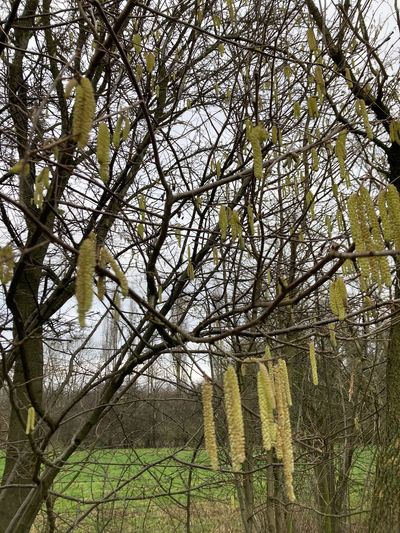
In 2024, the Field Studies Council and Royal Society of Biology launched the Signs of Spring survey – an annual initiative which encourages people to look out for and record ten easily recognisable indicators of spring from bluebells to bumblebees.
Results from the latest survey, which ran from December 2025 to June 2026, saw a significant upturn in the number of citizen scientists getting out in nature compared to 2025.
A newly published report revealed more than 3,100 observations were made from people across the UK - a 62.4 per cent increase compared with the previous year.
Figures have also shown an increase in the number of people of working age taking part in the survey, with the number of participants aged between 35-44 and 25-34 having more than doubled.
Field Studies Council’s biodiversity senior learning development officer, Dan Asaw, who leads on the project, has hailed the increased participation and range of ages connecting with nature as a positive step forward.
He said: “The project aims to generate scientific observations that support research into climate and biodiversity change, and to improve public health and well-being by connecting people with nature.
“We’re always grateful for those who take part, and it was fantastic to see such a big increase in participants compared to 2025.
“The figures have also shown an increase in the number of people aged 25 to 44 engaging which is really positive, with data for under 15s showing the survey is engaging younger demographics.
“There are so many benefits to getting out in nature and when people feel like they’re contributing to scientific research, they’re more likely to care for the natural world and pass on their knowledge to those around them.”
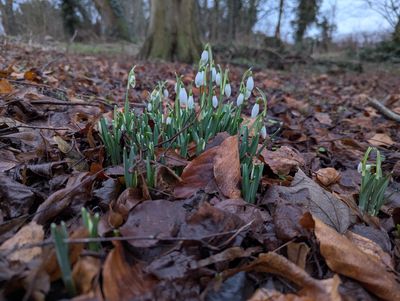
Results found the number of bluebell, snowdrop and daffodil sightings to be higher in the 2026 survey period than in 2025, however the number of bumblebee sightings dropped by 6.1 per cent.
Data from the survey and previous years shows snowdrops and daffodils have accounted for 52.7 per cent of all survey submissions over the past three years.
In total, the survey found there were more observations of daffodils, 903 in total, with damselflies and dragonflies the least reported.
“This year, respondents were also asked to specify their region. England accounted for 85.9 per cent of all records submitted, with the South East being the most represented region.”
Dan added: “We have received more, high-quality data this year and it only helps to us to understand the seasonal shifts more.
“We’re continuing to see interesting patterns emerge and this will only increase as the years go on.”
Royal Society of Biology’s Director of External Affairs, Dr Arianne Matlin FRSB, is encouraged by the increased engagement with the latest survey.
She added: “It’s really encouraging to see such an increase in engagement in this year’s Signs of Spring survey.
“Having the public log nature sightings is hugely beneficial for promoting understanding of nature’s cycles across the UK.
“It’s also a great way for people to get outside and learn more about
Ends
Editors notes
The Field Studies Council is an educational charity based in the UK. It opened its first Field Centre in 1947 at Flatford Mill, and now operates 20 Field Centres in various locations in England, Wales, Northern Ireland and Scotland offering both residential and non-residential field courses.