The Great British Conker-Off - Why Autumn Means War
Published:
Read Time: 3 mins
From school playgrounds to world championships, Britain’s humble conker is still packing a punch.
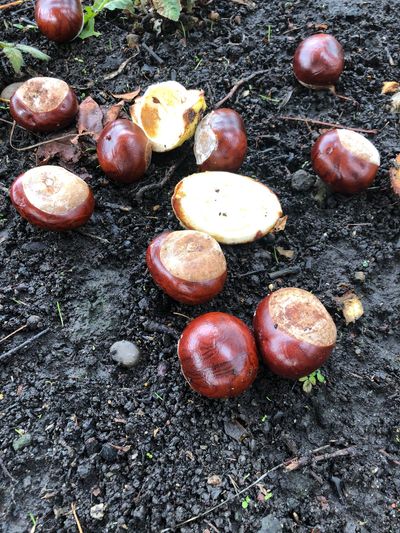
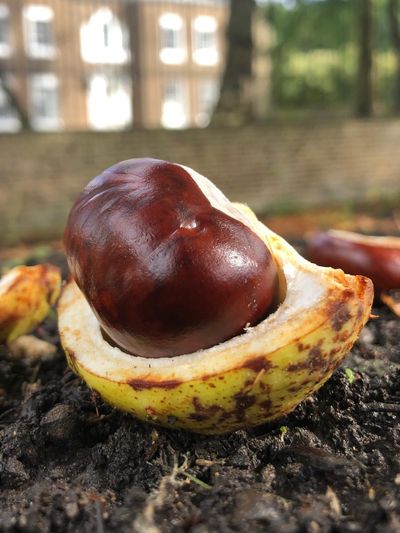
As autumn arrives and horse chestnut trees shed their glossy brown treasures, the humble conker returns to the British landscape, bringing with it one of the country's most enduring autumn traditions.
For generations, children have collected the biggest, hardest conkers they can find, threaded them onto string and challenged friends to a good old-fashioned battle of strength and skill. But what began as playground entertainment has grown into something considerably more serious.
This October, the World Conker Championships return to Southwick in Northamptonshire, where hundreds of competitors will battle it out to become Conker King or Queen. The event began in 1965 and has grown into an international competition, with thousands of spectators heading to the village each year.
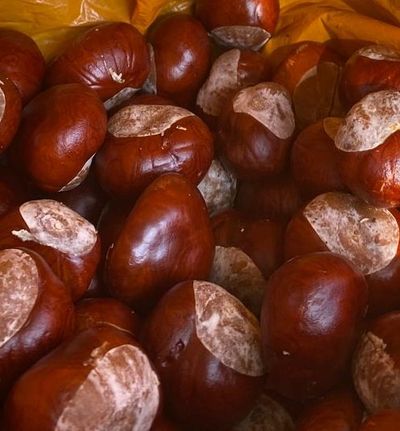
“There's something wonderfully British about the fact that a conker picked up from the ground can become the centre of an international competition,” says Stuart Brooking, woodland expert at Woodlands.co.uk. “But anyone who has ever played will know that choosing the right conker can make all the difference. You want one that's hard, glossy and fully mature, rather than one that's soft or damaged.”
Conker battles have been going on for generations, but perhaps the most extraordinary conker story dates back to 1954. That year saw the most successful untreated conker ever recorded; a “five thousander plus”, which won the BBC Conker Conquest that year. In the traditional scoring system, a conker takes on the score of each opponent it defeats, meaning a conker can build up an impressive tally as it progresses through battle after battle.
But there was a rather brilliant twist. A botany professor later suspected that the champion conker wasn't actually a conker at all, but potentially an ivory or tagua nut, both of which can bear a striking resemblance to the real thing. So, Britain's greatest recorded conker may, in fact, have been a ringer.
“It's a brilliant bit of conker folklore,” says Brooking. “And it shows that people have been taking their conker battles very seriously for a very long time.”
Conkers are a lovely reminder that you don't need expensive equipment or organised entertainment to get children outside, all you need is a horse chestnut tree, a few fallen conkers and a little imagination.
A family walk in October can become a conker hunt, a competition can spring up between siblings, or a particularly impressive specimen can be taken home and admired as an autumn trophy.
And while the modern world may have given us screens, apps and increasingly elaborate entertainment, the humble conker continues to prove that some of the best autumn fun can still be found lying beneath a tree.
Just make sure your champion is a genuine conker.
Stuart Brooking’s Five Rules for Conker Victory
The rules are simple, although choosing the right conker and knowing how to strike it are another matter.
1. Pick your conker
Look for one that's hard, mature, glossy and free from cracks. A good conker should feel solid rather than soft or spongy.
2. Thread it up
Traditionally, a hole is made through the conker and a piece of string threaded through, with a knot at the end to stop it escaping.
3. Take turns swinging
Players take alternate turns trying to smash their opponent's conker while keeping their own out of harm's way.
4. Protect your champion
A good conker can survive multiple battles. Under traditional scoring, a winning conker takes on the score of the one it defeats, plus one.
5. Keep going until one breaks
The winner is the conker that survives. And, naturally, the winner gets bragging rights.
Ends
Editors notes
Founded with a mission to make woodland ownership accessible and enjoyable, Woodlands.co.uk offers private woodlands for sale across the UK. The company provides resources and guidance for new owners to explore creative ways of managing their woodlands for personal and community benefit. Whether for conservation, leisure, or environmental education, Woodlands.co.uk empowers individuals to steward and protect their woodlands for generations to come.