The five late summer gardening jobs that can help prevent pest problems this autumn
Published:
Read Time: 5 mins
As summer draws to a close, gardeners might be turning their attention towards autumn planting and tidying the garden, but there are still some important pest-control jobs to tackle.
Late August and early September can be an important window for dealing with pests before cooler weather changes their behaviour and some begin to overwinter. Others, including vine weevil larvae and slugs, can remain active in the soil and continue damaging plants well into autumn.
Nemasys uses beneficial nematodes to help gardeners tackle some of the pests that are hardest to spot. These naturally occurring, microscopic organisms are applied to the soil, where they seek out specific pests such as vine weevil larvae and slugs. Because they work below the surface, they can target pests at a stage when gardeners may not yet realise there is a problem.
With this in mind, the experts at Nemasys have shared five late-summer jobs gardeners should tackle now to help keep pest problems under control this autumn and into next spring.
1. Treat vine weevils before larvae cause further root damage
Late summer is an important time to look out for vine weevils, particularly in containers, pots and hanging baskets.
Adult vine weevils have been active through the summer, laying eggs in the compost around plants. These hatch into larvae which feed on roots beneath the soil, potentially causing serious damage before gardeners realise there is a problem.
Check plants that are looking unusually wilted, yellow or generally unhealthy despite being watered correctly. If you're concerned, remove the plant from its container and inspect the compost around the roots for creamy-white, C-shaped larvae.
This is an important time to act, as controlling the larvae before they become larger and cause more extensive root damage can help protect plants through autumn and winter.
Nemasys Vine Weevil Killer uses specific beneficial nematodes to target vine weevil larvae directly in the soil.
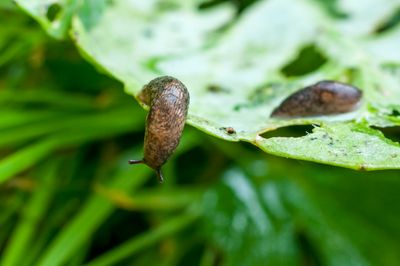
2. Keep controlling slugs while conditions remain favourable
Don't assume slug problems disappear as summer comes to an end.
Warm, moist soil can continue to provide favourable conditions for slugs, particularly following rainfall. With many gardens still full of tender growth and late-season crops, there is plenty for them to feed on.
Keep checking plants for irregular holes, damaged seedlings and the silvery trails slugs leave behind, particularly after wet weather.
Nemaslug uses beneficial nematodes to target slugs beneath the surface of the soil, where they spend much of their time.
Gardeners should continue applying slug control while conditions are suitable, following the product instructions for soil temperature and moisture.
3. Check pots and hanging baskets before moving them under cover
Container plants can provide sheltered conditions for pests as the weather starts to cool.
Before moving pots, hanging baskets or tender plants into greenhouses, sheds, conservatories or other sheltered areas, check them carefully for signs of pests.
Pay particular attention to the compost and roots, as pests such as vine weevils can be present beneath the surface even when the foliage looks relatively healthy.
Dealing with an infestation now is much easier than discovering it has spread once plants have been moved into a confined, sheltered space for autumn and winter.
4. Inspect plants before bringing them indoors
Houseplants that have spent the summer outside should also be checked carefully before they come back indoors.
Look underneath leaves, around stems and across new growth for signs of aphids, whitefly, thrips and spider mites. Check the compost too, particularly for signs of fungus gnats or other soil-dwelling pests.
Outdoor plants can pick up pests during the warmer months, and bringing them indoors provides an opportunity for populations to establish and spread to other houseplants.
Give plants a thorough inspection before bringing them inside and keep any suspicious plants separate until the problem has been identified and dealt with.
5. Clear debris and infested plants
Late summer is also a good time to remove heavily damaged or infested growth rather than allowing pests to remain in the garden as the seasons change.
Check plants for areas of concentrated pest activity and remove badly affected foliage where appropriate. Clear away fallen leaves and other debris that could provide shelter for pests.
Heavily infested material should not automatically go into the compost heap, as some pests or their eggs and larvae may survive.
Reducing potential hiding places now can help lower pest levels as autumn progresses and prevent some problems from carrying over into the following growing season.
Don't let late summer pests become an autumn problem
The end of summer is a useful point to take stock of pest problems in the garden. While some pests become less visible as temperatures drop, that doesn't necessarily mean they have disappeared.
Checking containers, continuing to control the numbers of slugs while conditions allow, inspecting plants before moving them indoors and clearing heavily infested debris can all help reduce the number of pests carried into autumn and winter.
For pests that spend part of their lifecycle in the soil, beneficial nematodes can provide a targeted way to tackle them where they are found. The key is to identify the pest correctly and use the appropriate nematode product under the conditions recommended on the packaging.
A little attention now could help gardeners avoid dealing with a much bigger pest problem when spring arrives.
Ends
Editors notes
Nematodes are naturally occurring microscopic worms, already present in our soil. Beneficial nematodes attack and kill targeted garden pests. They are compatible with organic farming, easy to use and can even be kept in your fridge!
Research scientists have isolated the nematodes that kill specific garden pests including Slugs, Vine weevils, Leatherjackets, Caterpillars, Codling moth and much more.
BASF’s state of the art production facility in the UK produces billions of nematodes in a form that is easily applied by gardeners. Over 20,000 different species of nematodes have been classified, although some estimates put the total figure closer to one million! BASF has the largest specialist nematode production facility in the world, growing trillions of beneficial nematodes for use in their Nemasys range of pest control products.
BASF experts are available for interviews, features and expert comment on biological pest control management, and product is available for reviews, competitions and product trials.