World Heart Day: dietary fibre and fruit intake in focus as CVD prevention moves up UK health agenda
Published:
Read Time: 5 mins
Next week marks the World Heart Federation’s World Heart Day ( 29th September), highlighting cardiovascular disease (CVD) and the importance of prevention, earlier diagnosis and effective management.
Cardiovascular disease or CVD – the collective term for conditions affecting the heart and blood vessels – affects more than seven million people in the UK and is responsible for around one in four premature deaths, according to NHS England[1].
The issue has gained renewed policy attention following the Government’s publication of its Cardiovascular Disease Modern Service Framework for England[2] in July. The framework sets out a 10-year strategic vision to reduce premature deaths from heart disease and stroke by 25%, with a greater focus on earlier prevention and diagnosis, and treatment of cardiovascular, kidney and metabolic risk factors.
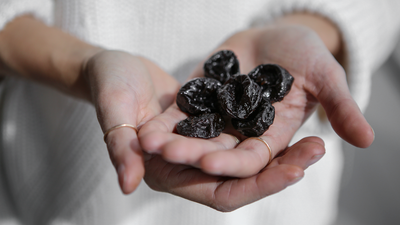
Diet remains an important part of the wider cardiovascular-health picture. The British Heart Foundation[3] recommends eating at least five portions of fruit and vegetables each day, with a diet rich in fruit and vegetables associated with a lower risk of heart and circulatory diseases. A 30g serving of dried fruit, or around three prunes, counts as one of the recommended five-a-day portions, while 100g of prunes provides around 7g of fibre. Though UK adults are advised to consume 30g of fibre per day, the latest National Diet and Nutrition Survey[4] found that 96% of adults and young people aged 11 to 18 did not meet the recommended fibre intake for their age group.
Against this backdrop, the California Prune Board is highlighting the role that simple, sustainable dietary changes can play in helping people increase their intake of fruit, fibre and key nutrients.
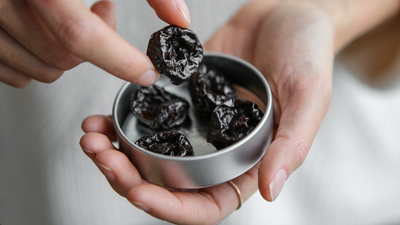
High in fibre, California Prunes are fat-free and saturated-fat-free and contain no added sugars, with their sugars occurring naturally within the fruit.
Prunes are also a source of nutrients including vitamin K, vitamin B6, copper and manganese, as well as potassium, which contributes to the maintenance of normal blood pressure[5].
Nutritionist Dr Annamaria Acquaviva explains: “Supporting cardiovascular health is about the overall dietary pattern rather than any one individual food. Encouraging people to make manageable changes that increase their intake of fruit and fibre can therefore be a practical place to start.
“Dried fruit can provide a convenient way of incorporating fruit into the diet. California Prunes are high in fibre and provide a range of vitamins and minerals and are versatile enough to be eaten as a snack or as an ingredient in cooking.”
The nutritional and health effects of prune consumption have also been investigated across more than 70 scientific studies and abstracts, including research examining cardiovascular risk markers.
· A 2024 study suggested that daily prune consumption may help prevent an increase in fat around the abdominal area in postmenopausal women, an important consideration for cardiovascular health.
It forms part of The Prune Study, a 12-month randomised controlled trial conducted with 183 postmenopausal women aged 55 to 75, who were divided into three groups instructed to either consume 50 grams or 100 grams of prunes daily, or none at all.
The research, published in the Journal of Nutrition[6], showed that eating 100 grams of prunes daily may help prevent changes in fat distribution around the central region of the body, especially belly fat. The increase of belly fat is common in postmenopausal women and, when excessive, can be a risk factor for cardiovascular disease.
· Research presented as abstracts[7] at the American Society of Nutrition’s annual meeting in 2023 reported that daily prune consumption has promising effects on several biomarkers related to cardiovascular health. Conducted in postmenopausal women and men 55 years and older, the studies revealed that in men, long-term prune consumption improved HDL cholesterol and the total cholesterol to HDL ratio, while decreasing oxidative stress and the inflammatory biomarker C-reactive protein (CRP).
In older women, long-term prune consumption had no negative effect on various metabolic measures related to heart disease risk, including total cholesterol, total triglycerides, fasting glucose, and insulin levels.
· A randomised controlled trial published in the Journal of Medicinal Food[8] in 2021 suggests eating prunes each day can improve risk factors for cardiovascular disease, including raising antioxidant capacity and reducing inflammation among healthy, postmenopausal women.
The research, led by San Diego State University, reveals that prunes can positively affect heart disease risk. Researchers found that eating 50 grams of prunes (about 5-6 prunes) each day for just six months resulted in improved CVD risk biomarkers – including raising the body's "good" cholesterol, known as HDL, and lowering the ratio of total cholesterol to HDL.
Eating prunes daily also promoted higher antioxidant capacity and lowered levels of the inflammatory cytokines interleukin-6 and tumour necrosis factor-alpha associated with CVD risk. Notably, body mass index and weight of the study participants were maintained during the trial despite adding prunes to the usual diet.
Researchers recruited 48 healthy, postmenopausal women who were divided into three groups – a control group who ate no prunes, and two treatment groups who consumed either 50 grams or 100 grams of prunes daily, throughout the six-month study. All other aspects of the women's diets and lifestyles remained similar to before the study. Various biomarkers of CVD risk were collected at the beginning and conclusion of the study to determine if there were any improvements in those biomarkers among those who consumed prunes. Interestingly, there were some similar positive results among those who ate 50 grams of prunes and those consuming 100 grams – suggesting that adding 5-6 prunes or more into the daily diet may have a positive effect on CVD risk.
Dr Acquaviva adds: “The existing research is encouraging and adds to our understanding of the nutritional properties of prunes, although individual studies need to be considered within the wider evidence base.
“For healthcare professionals, the practical message remains straightforward: supporting patients to achieve a balanced dietary pattern, consume sufficient fruit and vegetables, and increase fibre intake where appropriate can form part of a broader approach to cardiovascular health.
“Small dietary changes that are convenient, acceptable and easy to maintain can be valuable in helping people work towards those recommendations.”
Contact the California Prune Board or click here to find out more about research linking the consumption of prunes to overall health.
[1] www.england.nhs.uk/ourwork/clinical-policy/cvd/
[2] assets.publishing.service.gov.uk/media/6a4cfda87abea59ac13fd308/cardiovascular-disease-modern-service-framework.pdf
[3] www.bhf.org.uk/informationsupport/heart-matters-magazine/nutrition/5-a-day/eat-more-vegetables-and-fruit
[4] Office for Health Improvement and Disparities. National Diet and Nutrition Survey 2019 to 2023. Published 11 June 2025
[5] Great Britain Nutrition and Health Claims Register, Department of Health and Social Care: “Potassium contributes to the maintenance of normal blood pressure’
[6] jn.nutrition.org/article/S0022-3166(24)00161-5/fulltext
[7] californiaprunes.net/new-studies-show-daily-prune-consumption-supports-cardiovascular-health-in-ageing-population/
[8] pubmed.ncbi.nlm.nih.gov/33978491/
Ends
Editors notes
The California Prune Board was established in 1980 to represent growers and handlers under the authority of the California Secretary of Food and Agriculture. California is the world’s largest producer of premium prunes with orchards across the Sacramento and San Joaquin valleys. Promoting a lifetime of wellness through the enjoyment of California Prunes, the organization leads the premium prune category with generations of craftsmanship supported by California’s leading food safety and sustainability standards. California Prunes. Prunes. For life.
www.californiaprunes.net